




What's Happening?
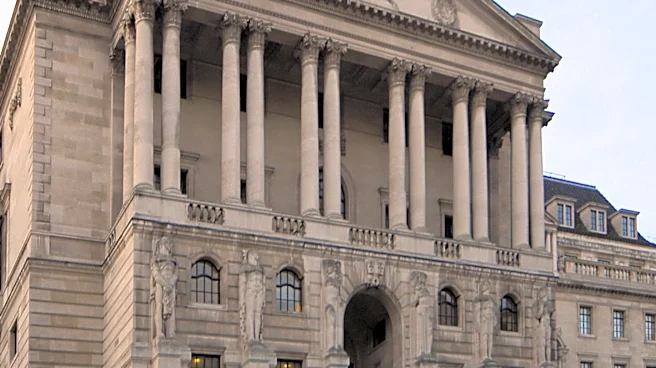
Andrew Bailey, Governor of the Bank of England, has highlighted the significant cyber risks posed by advanced Artificial Intelligence (AI) models, such as Mythos. He stated that these powerful AI tools could 'crack the whole cyber risk world open.' This
concern comes as regulators, including the Bank of England, are increasingly worried about the rapid pace of AI development and quantum computing, which could enable criminals to bypass current cryptographic security measures protecting financial transactions. The UK's financial authorities recently conducted a 'war-game' exercise, SIMEX 26, to test the banking system's resilience against a major cyber disruption, specifically a serious failure at a global cloud services provider. This exercise underscored the potential for widespread panic and economic paralysis if such an event were to occur. Regulators have also issued new guidance to banks on managing these evolving risks, emphasizing the need for robust preparedness against cyber attacks and IT failures.
Why It's Important?
The warnings from Governor Bailey underscore a critical and evolving threat to global financial stability, with direct implications for the U.S. financial sector. The interconnected nature of international banking means that a significant cyber attack or IT failure in one major financial hub, such as London, could have ripple effects across U.S. markets and institutions. The potential for AI to compromise cryptographic security could undermine the fundamental trust in digital transactions, impacting everything from individual bank accounts to large-scale corporate finance. U.S. banks and regulatory bodies, like the Federal Reserve, would need to assess their own vulnerabilities and enhance their cyber defenses in response to these advanced threats. The scenario painted by Bailey suggests that the U.S. could face similar challenges in maintaining financial system integrity, potentially leading to economic disruption, loss of consumer confidence, and increased regulatory scrutiny on technology providers and financial institutions.
What's Next?
In response to these growing threats, U.S. financial regulators are likely to intensify their focus on cybersecurity preparedness within the banking sector. This could involve mandating more rigorous stress tests, similar to the UK's SIMEX 26, to evaluate how U.S. banks would respond to sophisticated AI-driven cyber attacks or major IT outages. There may also be increased collaboration between U.S. authorities and international counterparts, including the Bank of England, to share intelligence and develop coordinated strategies against global cyber threats. Financial institutions in the U.S. will likely invest more heavily in advanced cybersecurity measures, including AI-powered defense systems, and review their reliance on third-party cloud service providers. Furthermore, discussions around the ethical implications and potential misuse of powerful AI models will likely gain traction, potentially leading to calls for international regulatory frameworks to govern AI development in sensitive sectors.
Beyond the Headlines
The concerns raised by Andrew Bailey extend beyond immediate financial stability, touching upon deeper ethical and societal implications of advanced AI. The dual-edged nature of AI models, capable of both identifying and exploiting vulnerabilities, presents a complex challenge. While AI can enhance cybersecurity defenses, its potential misuse by malicious actors could lead to unprecedented levels of financial crime and systemic disruption. This raises questions about the responsible development and deployment of AI, particularly in critical infrastructure sectors. The scenario also highlights the increasing reliance on a few dominant tech giants for cloud services, creating a single point of failure that could have catastrophic consequences. This dependency could prompt a re-evaluation of digital infrastructure strategies, encouraging diversification and greater resilience. Ultimately, the debate around AI's role in financial security will likely evolve into broader discussions about technological governance, national security, and the balance between innovation and risk mitigation in an increasingly digital world.