


What's Happening?
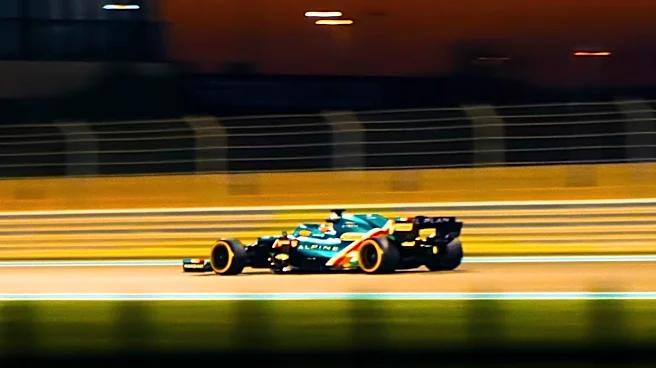
Franco Colapinto, a driver for the Alpine Formula 1 team, shared an anecdote highlighting the high expectations set by Flavio Briatore, the team's executive advisor. Despite a successful race in Canada where Alpine secured significant points, Briatore was
reportedly dissatisfied, pushing the team for further improvements. This reflects Briatore's demanding leadership style, which has been instrumental in Alpine's competitive strategy. Colapinto acknowledged Briatore's influence, noting that his relentless pursuit of excellence is crucial for the team's ambition to compete with top-tier teams like Ferrari, Red Bull, and Mercedes. The anecdote underscores the pressure and high standards within the team as they strive for greater success in the Formula 1 circuit.
Why It's Important?
Briatore's leadership style and high expectations are pivotal in shaping Alpine's competitive strategy in Formula 1. His approach emphasizes continuous improvement and striving for excellence, which can drive the team to achieve better results. For Franco Colapinto and his teammates, this environment fosters a culture of resilience and ambition, essential for competing at the highest levels of motorsport. The pressure to perform can lead to innovation and strategic advancements, potentially elevating Alpine's status in the Formula 1 hierarchy. However, it also highlights the intense demands placed on drivers and team members, which can impact their performance and morale.
What's Next?
As the Formula 1 season progresses, Alpine will continue to focus on improving their performance, guided by Briatore's high standards. The team will likely analyze their race strategies and car performance to identify areas for enhancement. Colapinto and his teammates will need to adapt to the pressure and expectations, using them as motivation to achieve better results. The team's ability to respond to Briatore's demands will be crucial in determining their success in upcoming races and their overall standing in the Formula 1 championship.