
What's Happening?
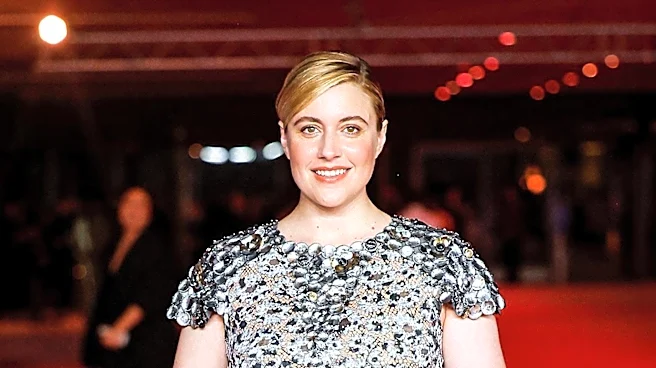
Writer/director Greta Gerwig has announced that Meryl Streep will voice the God-figure Aslan in her upcoming Narnia film, "The Magician's Nephew." Gerwig explained her choice, stating she sought a voice that was "profound but not pretentious, who had
gravitas but not morose self-seriousness," and capable of communicating both depth and joy. The film is scheduled for theatrical release on February 12 and will be available on Netflix starting April 2. This casting decision has generated negative reactions from some Christian groups, who view it as a subversion of the beloved children's story and an attack on the identity of God. Critics, including Ted Baehr, founder of Movieguide, expressed concerns for children and grandchildren, asserting that "The gospel is not a myth." One commentator suggested Gerwig was making Aslan "transgender," while a Catholic pastor in Los Angeles accused Netflix of "distorting a message so brazenly."
Why It's Important?
The controversy surrounding Meryl Streep's casting as Aslan highlights ongoing tensions between artistic interpretation and religious sensitivities within the U.S. entertainment landscape. For Christian audiences, particularly those who view C.S. Lewis's Narnia series as allegorical to Christian theology, the portrayal of a central divine figure is deeply significant. The negative reactions underscore a segment of the audience that feels protective of traditional interpretations of religious or religiously-inspired narratives. This situation could influence how studios and filmmakers approach adaptations of works with strong religious undertones, potentially leading to increased scrutiny or self-censorship to avoid alienating specific demographics. Conversely, it also showcases the creative freedom filmmakers assert in reinterpreting classic stories, which can broaden appeal but also risk backlash from purists. The debate reflects a broader cultural discussion about representation, artistic license, and the evolving nature of storytelling in a diverse society.
What's Next?
The film's release in theaters on February 12 and its subsequent availability on Netflix starting April 2 will likely intensify public discussion and critical reviews. The box office performance and streaming viewership numbers will indicate the broader audience reception, potentially influencing future casting decisions for adaptations of classic literature with religious themes. The reactions from various Christian organizations and media outlets will continue to shape the narrative around the film, potentially impacting its cultural footprint. Netflix and the filmmakers may choose to address the criticisms further, or they may allow the film's artistic merits to speak for themselves. The controversy could also spark further academic and theological discussions about the interpretation of C.S. Lewis's works and the depiction of divine figures in modern media.
Beyond the Headlines
The debate over Meryl Streep's casting as Aslan delves into deeper implications concerning the ownership and interpretation of cultural narratives. For many, C.S. Lewis's Narnia series holds a sacred status, and any deviation from perceived canonical portrayals can be seen as a challenge to deeply held beliefs. This incident reflects a recurring pattern where adaptations of beloved stories, especially those with spiritual or moral foundations, become battlegrounds for cultural values. It also raises questions about the role of distributors like Netflix in navigating such controversies and their responsibility to diverse audiences. The "God-figure" in media often serves as a "Rorschach test," revealing the biases and beliefs of critics, as noted in the source. This phenomenon underscores how art, even in fantasy, can provoke profound introspection and reveal societal fault lines regarding identity, tradition, and progress.