



What's Happening?
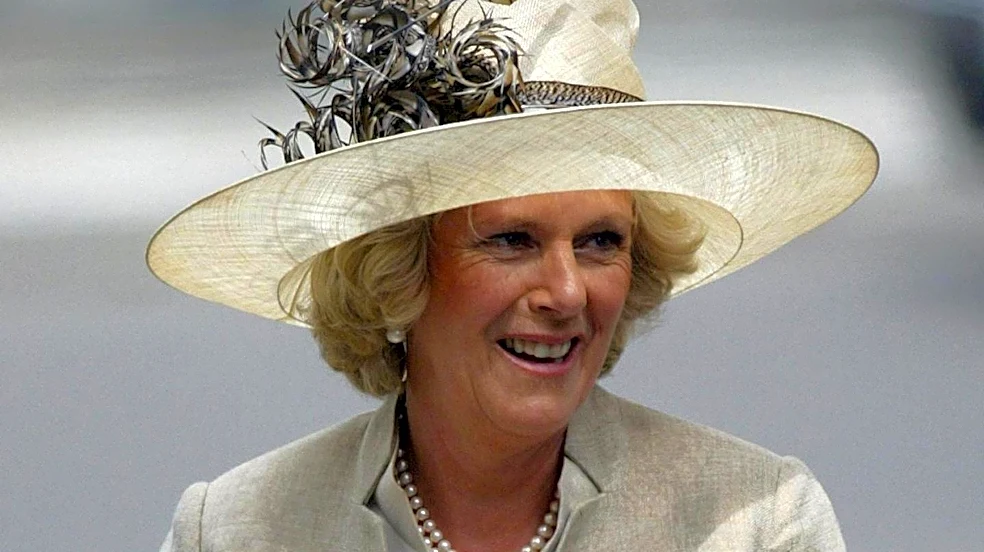
Tom Parker Bowles, son of Queen Camilla and a recognized food critic, has expressed his strong affinity for Tabasco sauce, describing it as a culinary essential. During an appearance on the 'Don’t Judge Me' podcast with nutritionist Gabriela Peacock,
Parker Bowles detailed his long-standing passion for the Louisiana-made hot sauce, which he claims began at the age of nine. He highlighted its simple composition of tabasco peppers, distilled vinegar, and salt. Parker Bowles stated that he carries Tabasco with him on flights to improve the taste of airplane food, referring to it as a 'culinary first aid remedy.' He also touched upon the potential health benefits of chili peppers, suggesting they can reduce swelling and have been subject to preliminary studies regarding tumors and other conditions, calling chili a 'miracle ingredient.'
Why It's Important?
This story highlights the cultural impact of American-made products on an international scale, particularly within prominent circles. Tabasco sauce, produced in Louisiana, is a globally recognized brand, and its endorsement by a figure like Tom Parker Bowles, who is connected to the British royal family and is a respected food critic, can further elevate its status and appeal. This informal endorsement could potentially boost sales and interest in Tabasco, especially among consumers who follow culinary trends or are influenced by public figures. It also subtly underscores the universal appeal of certain food items that transcend national cuisines and preferences, becoming staples in diverse culinary practices. The mention of potential health benefits, even if anecdotal, also taps into a broader consumer interest in functional foods and ingredients.
What's Next?
While no direct actions are immediately foreseeable, the public endorsement by Tom Parker Bowles could lead to increased media attention on Tabasco sauce and its origins. This might prompt renewed interest in the brand's marketing strategies, potentially focusing on its heritage and the simplicity of its ingredients. Food bloggers and culinary enthusiasts might also pick up on this story, leading to more discussions and recipes featuring Tabasco. For Parker Bowles himself, this public declaration of his favorite condiment reinforces his image as an accessible and passionate food critic, potentially leading to more opportunities in food-related media. The discussion of health benefits could also encourage further, more formal research into the properties of capsaicin, the active component in chili peppers.
Beyond the Headlines
Beyond the immediate culinary aspect, this anecdote touches upon the broader phenomenon of cultural exchange and the global reach of American consumer goods. Tabasco, a product deeply rooted in American Southern culture, has become a staple in kitchens worldwide, including those of individuals with diverse backgrounds and palates. Parker Bowles's reliance on it, even in travel, speaks to its perceived versatility and ability to enhance even the most unappetizing meals. This also subtly reflects on the evolving nature of food criticism and personal branding, where personal preferences and everyday habits of public figures can become newsworthy. The discussion around chili's health benefits, while not the primary focus, also taps into a growing societal interest in wellness and the perceived medicinal properties of natural ingredients, blurring the lines between food and health.