





What's Happening?
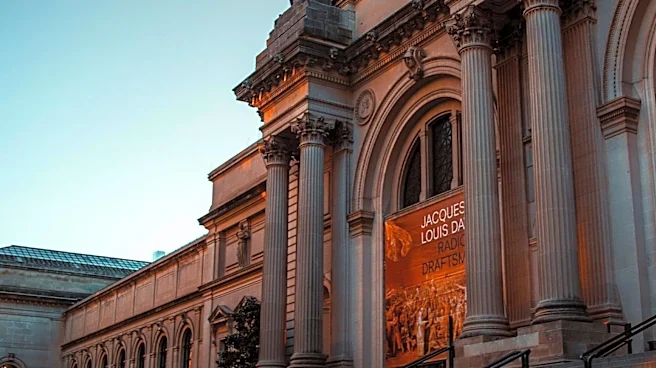
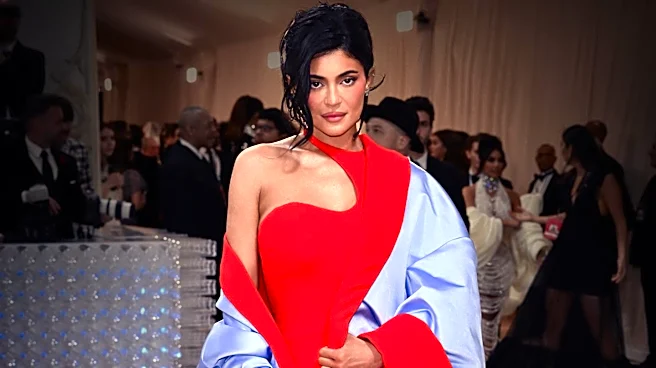
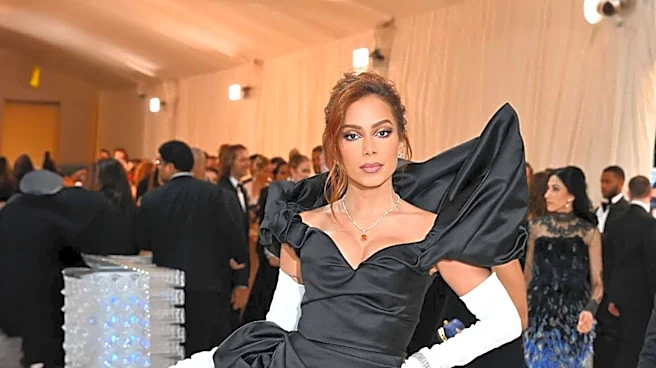
The Met Gala, a prominent annual event, has a long history of controversy, particularly concerning its commercial sponsorships and the themes of its accompanying Costume Institute exhibitions. Originally established in 1948 as a fundraiser for the Costume Institute,
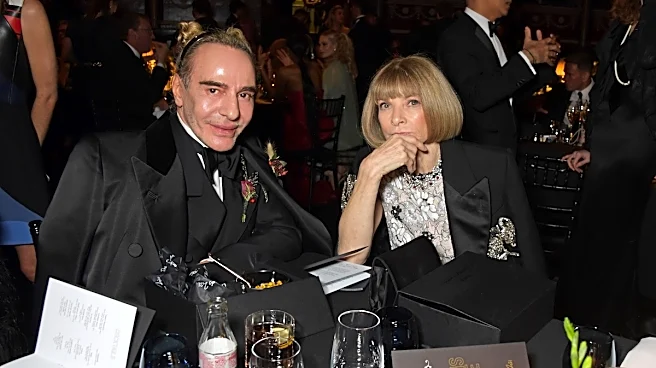
the gala has evolved from a modest dinner to a globally recognized red-carpet spectacle. This transformation largely occurred under the leadership of Anna Wintour, who became chair in 1995. Critics have frequently raised concerns about the influence of commercial sponsors on exhibition content and the museum's curatorial independence. For instance, the 2005 Chanel retrospective was supported by Chanel itself, leading to accusations that the show was tainted by self-interested sponsorship. Similar objections arose with the 2023 'Karl Lagerfeld: A Line of Beauty' exhibition, which received support from Chanel, Fendi, and the Karl Lagerfeld label, and also drew criticism for honoring a designer known for controversial remarks. The event has also faced public debate over exhibition themes, such as 'Harlem on My Mind' in 1969, which was criticized for failing to feature art by Black Americans, and 'Heavenly Bodies: Fashion and the Catholic Imagination' in 2018, which prompted protests from Catholic groups.
Why It's Important?
The ongoing controversies surrounding the Met Gala and its exhibitions highlight significant tensions between artistic integrity, commercial interests, and public perception within major cultural institutions. The increasing reliance on corporate sponsorship, as seen with figures like Jeff Bezos and Lauren Sánchez Bezos serving as lead sponsors, raises questions about the potential for commercial entities to influence curatorial decisions and the overall direction of the museum's programming. This can impact the public's trust in the independence and educational mission of institutions like the Metropolitan Museum of Art. Furthermore, the selection of exhibition themes and honorees, such as Karl Lagerfeld, who had a history of controversial remarks, can spark widespread public debate and criticism from various societal groups, including those advocating for body positivity, immigrant rights, and the #MeToo movement. These debates underscore the growing expectation for cultural institutions to be socially responsible and inclusive, reflecting broader societal values. The financial stakes are also substantial, with individual tickets costing up to $75,000 in 2025, making it a high-profile event where any misstep can have significant reputational and financial repercussions.
What's Next?
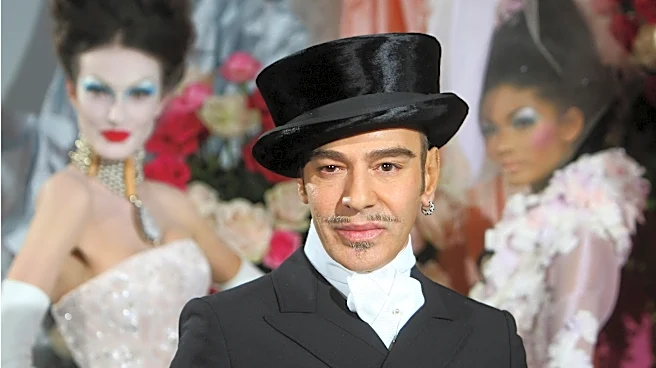
The Metropolitan Museum of Art is currently facing the task of announcing a new spring Costume Institute exhibition for 2027, following the cancellation of a planned retrospective of John Galliano's work due to his past antisemitic and racist remarks. This cancellation, supported by Anna Wintour, signals a potential shift towards greater scrutiny of honorees' past conduct and a more cautious approach to exhibition planning. Future Met Galas and exhibitions will likely continue to be under intense public and media scrutiny regarding their themes, sponsors, and the individuals they choose to celebrate. Stakeholders, including art critics, social justice advocates, and the public, will be closely watching for how the museum navigates these complex issues. The institution may need to re-evaluate its sponsorship policies and curatorial processes to ensure greater transparency and alignment with contemporary ethical standards. The ongoing dialogue around these events could lead to new guidelines for cultural institutions on how to balance financial needs with their public mission and social responsibilities, potentially influencing how other major museums approach their high-profile events and exhibitions.
Beyond the Headlines
The controversies surrounding the Met Gala delve into deeper ethical and cultural dimensions concerning the role of art and fashion in society. The debate over commercial sponsorship touches upon the broader issue of funding for cultural institutions and the potential for 'artwashing,' where corporate entities use cultural events to enhance their public image. The criticism of exhibitions like 'Harlem on My Mind' and 'Heavenly Bodies' highlights the ongoing struggle for diverse and respectful representation within cultural narratives, challenging institutions to move beyond tokenism or superficial engagement. The backlash against honoring figures with problematic pasts, such as Karl Lagerfeld and John Galliano, reflects a societal shift towards greater accountability and a demand for ethical leadership in all sectors, including fashion and art. This trend suggests a long-term shift where cultural institutions are increasingly expected to be not just custodians of art, but also moral compasses, navigating complex social issues. The Met Gala, as a highly visible platform, serves as a microcosm for these larger societal conversations about power, representation, and the evolving responsibilities of cultural gatekeepers.