




What's Happening?
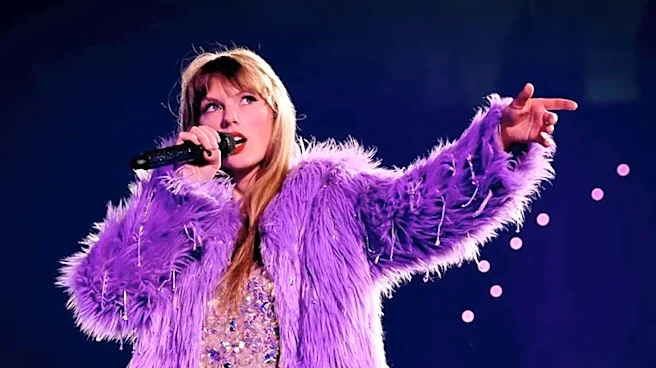
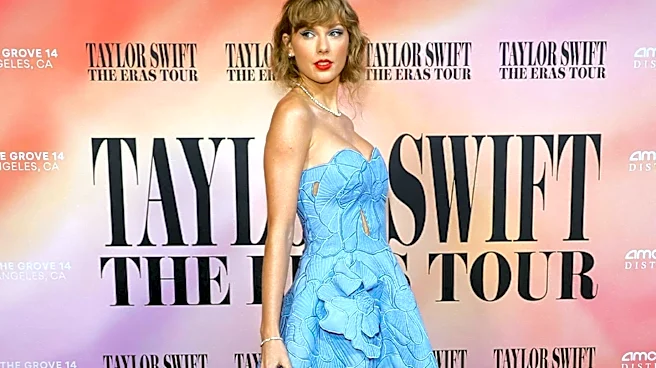
Taylor Swift, a Grammy-winning artist, recently marked her 20th year in the music industry, coinciding with the 20th anniversary of her debut album. In a new interview, Swift, 36, discussed the significant changes she has witnessed in music distribution
over two decades. She noted the shift from primary releases on CDs and iTunes to the rise of streaming services, alongside a resurgence of interest in vinyl records. Swift emphasized her commitment to understanding and adapting to how her fans prefer to consume her music, ensuring a quality experience while maintaining ethical considerations. She also expressed optimism regarding the role of technology in musical creation, based on her observations of the evolving landscape.
Why It's Important?
Taylor Swift's reflections offer a valuable perspective on the profound transformation of the music industry, impacting artists, record labels, and consumers across the U.S. and globally. Her adaptability to various distribution methods, from physical media to digital streaming and the vinyl revival, highlights a successful strategy for maintaining relevance and connection with a broad fanbase. This approach underscores the importance for artists to engage with technological advancements and shifting consumer preferences. For the industry, Swift's longevity and continued success demonstrate that understanding and responding to distribution trends, while prioritizing ethical considerations and fan experience, are crucial for sustained growth and artist-fan relationships in a dynamic market.
What's Next?
The music industry is expected to continue its rapid evolution, driven by technological advancements and changing consumer behaviors. Artists and labels will likely further explore diverse distribution channels, including emerging digital platforms and niche physical formats, to reach audiences. The ongoing debate surrounding ethical considerations in music creation and distribution, particularly concerning artist compensation and intellectual property in the age of AI, will remain a key focus. Taylor Swift's continued influence and willingness to adapt suggest that she will likely remain at the forefront of these discussions, potentially shaping future industry standards and practices for artists seeking to navigate a complex and ever-changing landscape.
Beyond the Headlines
Beyond the immediate shifts in music distribution, Swift's comments touch upon deeper cultural and economic implications. The return of vinyl, for instance, signifies a broader consumer desire for tangible, high-quality experiences in an increasingly digital world, impacting manufacturing, retail, and niche markets. Her emphasis on ethical considerations in music distribution also highlights ongoing discussions about fair compensation for artists in the streaming era and the potential impact of AI on creative work. This ongoing evolution challenges traditional business models and intellectual property frameworks, prompting a reevaluation of how value is created and exchanged within the creative economy, and how artists can maintain control and fair compensation for their work.