

What's Happening?
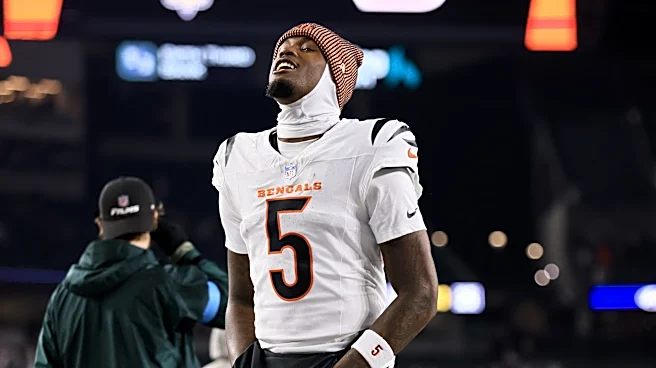
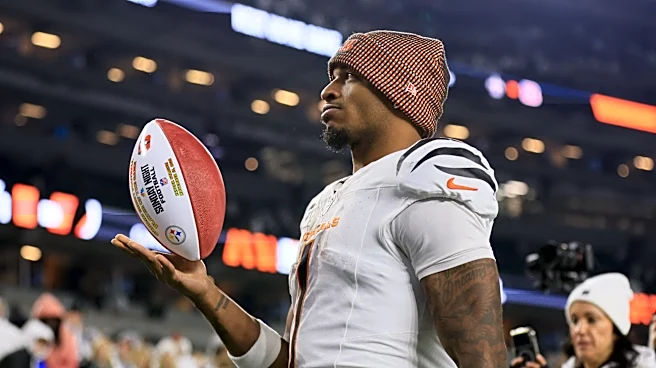
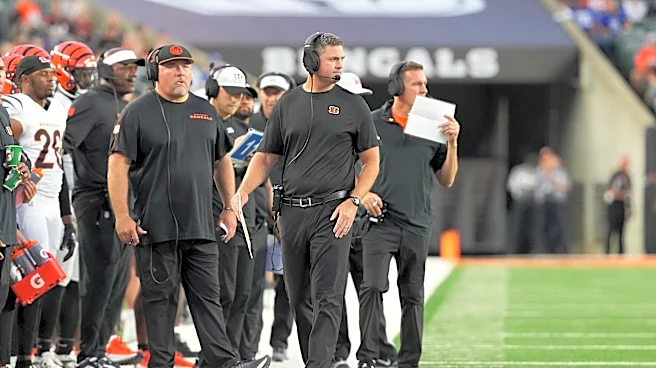
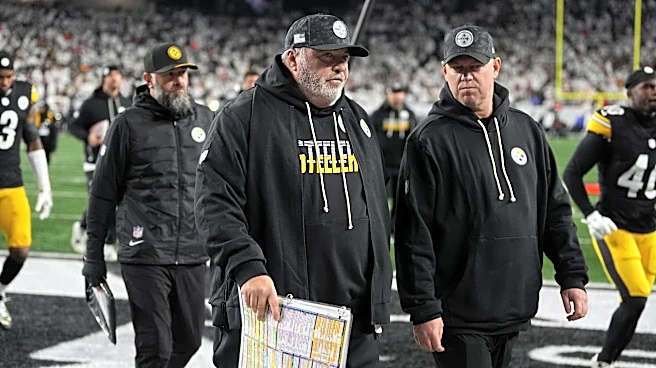
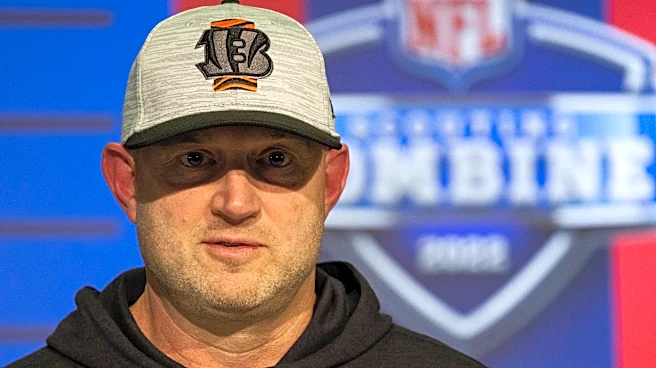
Cincinnati Bengals Head Coach Zac Taylor has publicly addressed the team's decision to stand pat at the recent NFL trade deadline, defending the front office's confidence in the current roster. Following a dominant Week 10 victory over the Pittsburgh
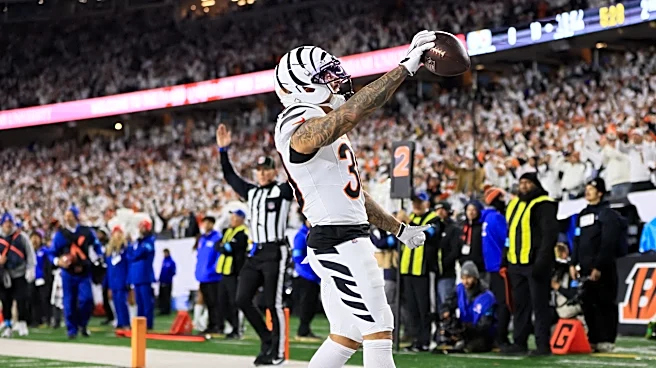
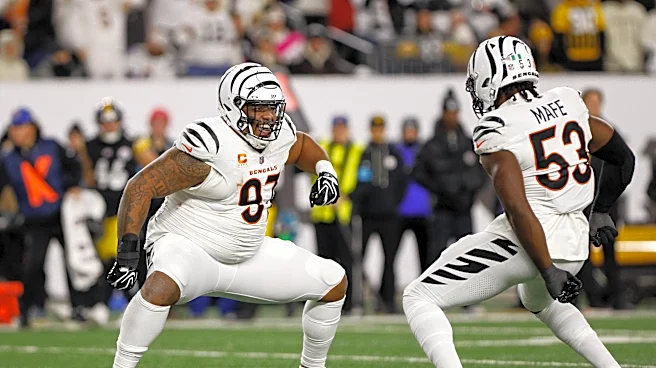
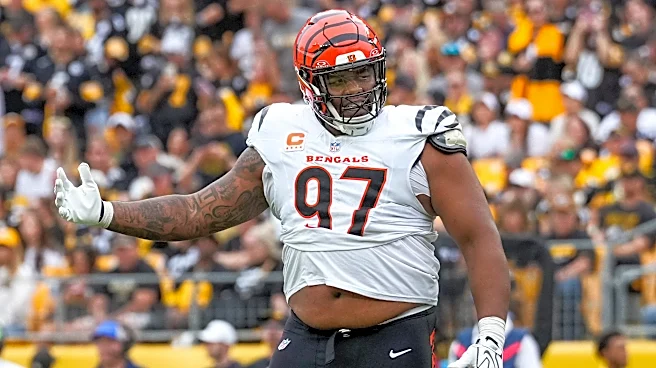
Steelers, which propelled the Bengals into first place in the AFC North, Taylor stated his belief in the team's capabilities. He acknowledged that the Bengals did attempt to acquire edge rusher Arnold Ebikeite from the Philadelphia Eagles for a 6th-round pick but reversed the trade after learning it would cost them a third-round compensatory pick. Despite this, Taylor maintains that the locker room, coaches, and front office are confident in the team's current composition. Separately, Taylor also commented on the team's five-game win streak, attributing it to the team finding its identity: building a lead and allowing the defense to apply pressure. He praised the defense's tackling and ability to force third-and-long situations, as well as the offensive line's protection of quarterback Joe Burrow against the Steelers' blitz.
Why It's Important?
Taylor's comments are significant as they aim to manage external perceptions and maintain internal morale following a trade deadline where many other contending teams made moves to bolster their rosters. The decision not to acquire additional talent, despite an attempt, could be viewed as either a vote of confidence in the existing players or a missed opportunity to strengthen weaknesses. For fans and media, Taylor's defense of the team's strategy provides insight into the organizational mindset. The Bengals' current five-game winning streak, which Taylor attributes to the team finding its identity, is crucial for their playoff aspirations. This established identity—a strong offense building leads and a defense that capitalizes on those leads—suggests a clear strategic direction. This approach could be key to their success in a competitive AFC, especially as they face other top teams that did make deadline acquisitions. The team's performance post-deadline will be a direct reflection of the validity of Taylor's confidence and the front office's strategy.
What's Next?
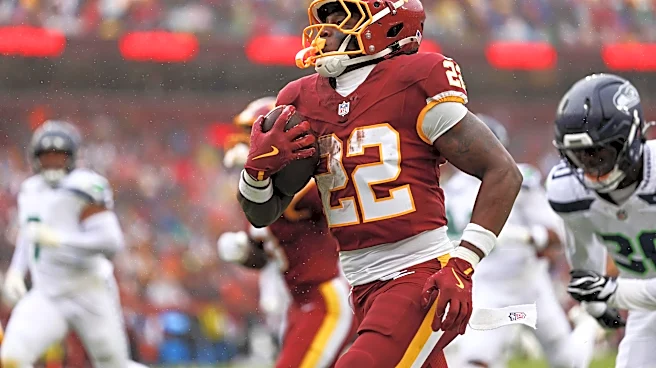
The Cincinnati Bengals will continue their season with a Week 11 matchup against the Washington Commanders. This game will be a test of the team's sustained performance and the effectiveness of their established identity, particularly after Taylor's recent remarks. The Bengals are currently 7-2 and hold sole possession of first place in the AFC North, making each subsequent game critical for maintaining their divisional lead and improving their playoff seeding. Their ability to continue their winning streak without significant roster additions will be closely watched, especially as they face other strong AFC contenders in the coming weeks. The team's performance in upcoming games will either validate Taylor's confidence in the current roster or reignite discussions about potential missed opportunities at the trade deadline. The focus will be on whether the team can maintain its high level of play and continue to execute the strategy Taylor outlined.
Beyond the Headlines
The Bengals' situation highlights a broader philosophical debate in professional sports regarding team building: whether to prioritize continuity and internal development or to aggressively pursue external upgrades at key junctures like the trade deadline. Taylor's stance emphasizes belief in the existing locker room and the chemistry built over time, suggesting a long-term vision for the team's core. This approach can foster strong team cohesion and loyalty but carries the risk of being outmaneuvered by rivals who opt for more immediate, impactful additions. The failed trade attempt for Arnold Ebikeite also underscores the complex financial and strategic considerations involved in NFL transactions, where even minor moves can have significant long-term implications, such as the loss of compensatory draft picks. This scenario reflects the delicate balance NFL front offices must strike between short-term competitive gains and long-term roster management and draft capital preservation.