






What's Happening?
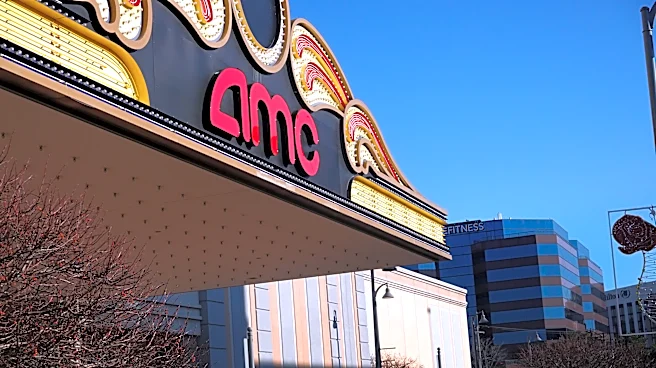
AMC Theatres, the world's largest movie theater chain, has reported its highest quarterly revenue in its 106-year history, marking its second consecutive record-breaking quarter. In Q3 2026, the company generated $1.71 billion in revenue, a nearly 32%
increase year-over-year. This financial success includes $109 million in net profit and $347.5 million in adjusted EBITDA, an all-time company record. The quarter saw 75 million moviegoers attend AMC theaters worldwide. This performance is part of a broader resurgence in the entertainment industry, with audiences showing strong engagement across various film genres, from blockbusters to independent productions. The movie business is experiencing significant investment from studios, distributors, and theater operators, who are enhancing facilities, premium screens, and immersive technologies to improve the moviegoing experience.
Why It's Important?
The record-breaking performance by AMC Theatres is a significant indicator of the robust recovery and growth within the U.S. entertainment industry. This resurgence suggests a strong consumer demand for out-of-home entertainment experiences, directly benefiting theater operators, film studios, and distributors. The increased investment in theatrical entertainment, including upgraded facilities and immersive technology, is likely to create more job opportunities within the creative and production ecosystems. For consumers, this trend promises a wider variety of films and enhanced viewing experiences. The sustained interest from younger audiences, who reportedly prefer going to the movies as their top weekend activity, underscores a cultural shift towards shared, real-world entertainment, which could have long-term positive implications for the theatrical exhibition sector and related businesses.
What's Next?
Looking ahead, the movie business is anticipated to continue its strong momentum. The impressive lineup of films scheduled for 2027, coupled with ongoing investments across the industry, suggests that next year could bring even more records in revenue, productions, and overall spending. This sustained growth is expected to create additional opportunities for various stakeholders within the entertainment sector. The continued focus on enhancing the moviegoing experience through premium screens and advanced technology will likely attract more audiences, further solidifying the theatrical model's relevance in a competitive entertainment landscape. The industry's ability to adapt and innovate will be crucial in maintaining this upward trajectory and capitalizing on the growing demand for shared cultural experiences.
Beyond the Headlines
The resurgence of the movie business, as evidenced by AMC Theatres' record performance, highlights a deeper societal trend: the increasing value placed on shared, real-world experiences. In an era dominated by digital distractions, streaming services, and social media, the sustained appeal of moviegoing, particularly among younger generations, suggests a fundamental human desire for collective engagement and communal storytelling. This trend could influence other sectors of the experience economy, encouraging investments in live events, cultural attractions, and other forms of in-person entertainment. The industry's success also underscores the importance of intellectual property and creative content, as studios and distributors continue to invest in diverse films. This could lead to a more vibrant and varied cinematic landscape, fostering innovation and artistic expression within the U.S. film industry.