




What's Happening?
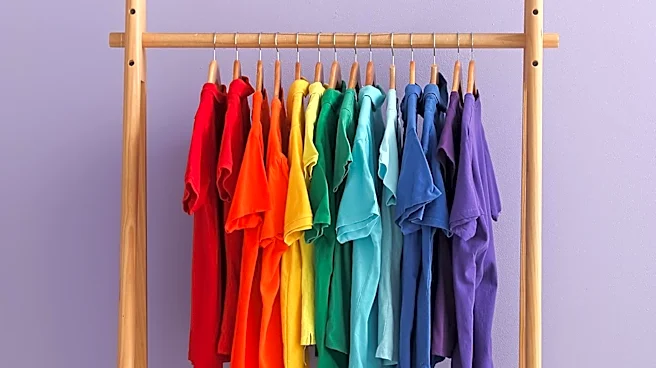
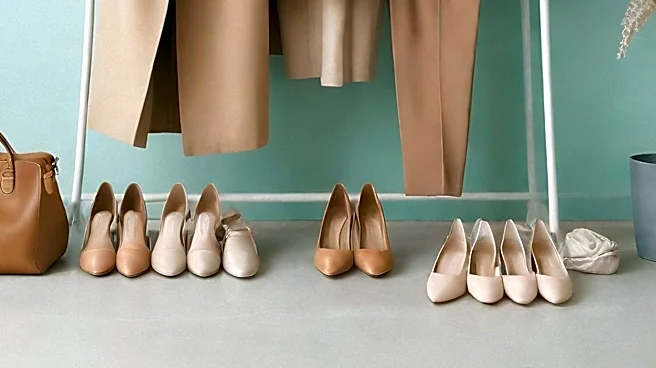
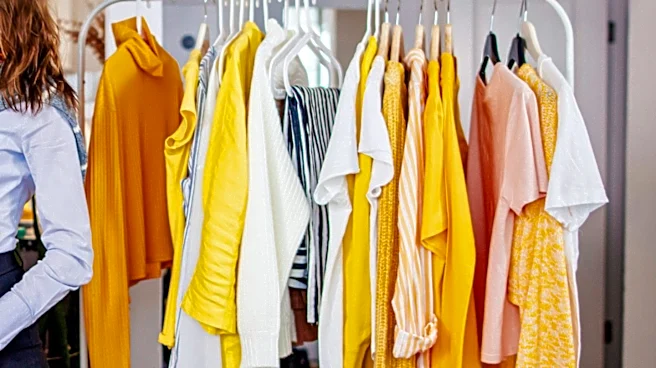
Capsule wardrobes are being promoted as an effective strategy for individuals to 'do more with less' by embracing minimalism in their clothing choices. This approach involves curating a collection of selected, high-quality basic garments that can be mixed
and matched to create numerous outfits for various occasions, including work, leisure, and formal events. The core principle is to move away from short-term trends towards timeless must-haves, fostering a personal style rather than a 'cookie-cutter' look. Proponents suggest that adopting a capsule wardrobe saves time, money, and reduces the stress associated with daily clothing selection, leading to a well-organized closet and confident styling.
Why It's Important?
The promotion of capsule wardrobes holds significant implications for consumer behavior and the fashion industry in the U.S. In an era dominated by fast fashion and rapid consumption, this minimalist approach encourages a more sustainable and mindful way of dressing. For consumers, it offers a path to financial savings by reducing impulse purchases and investing in durable, versatile pieces. It also addresses the common frustration of having a closet full of clothes but 'nothing to wear.' For the fashion industry, a widespread adoption of capsule wardrobes could lead to a shift in production and marketing, emphasizing quality, versatility, and timeless design over fleeting trends and mass production. This could challenge the business models of fast-fashion retailers and encourage brands to focus on longevity and ethical sourcing.
What's Next?
The trend towards capsule wardrobes is likely to continue gaining traction, particularly among consumers seeking more sustainable and cost-effective lifestyle choices. This could lead to an increased demand for high-quality, versatile basic apparel from both established and emerging fashion brands. Retailers might adapt by offering curated capsule collections or promoting garments that are designed for mix-and-match versatility. Educational content and resources on building and maintaining a capsule wardrobe are also expected to proliferate, further empowering consumers to adopt this minimalist approach. Additionally, the emphasis on 'long-lasting quality instead of ultra-fast fashion' could drive innovation in textile technology and manufacturing processes, focusing on durability and environmental responsibility.
Beyond the Headlines
Beyond its immediate impact on fashion and consumer habits, the capsule wardrobe concept reflects a broader cultural shift towards minimalism and intentional living. It challenges the societal pressure to constantly acquire new possessions and instead encourages a focus on value, utility, and personal expression through a curated selection. This movement can foster a greater appreciation for craftsmanship and durability, potentially reducing textile waste and the environmental footprint of the fashion industry. Psychologically, it can alleviate decision fatigue and promote a sense of control and clarity in one's daily routine. The capsule wardrobe, therefore, is not just about clothing; it's a microcosm of a larger philosophical movement advocating for a more conscious and less cluttered existence.