




What's Happening?
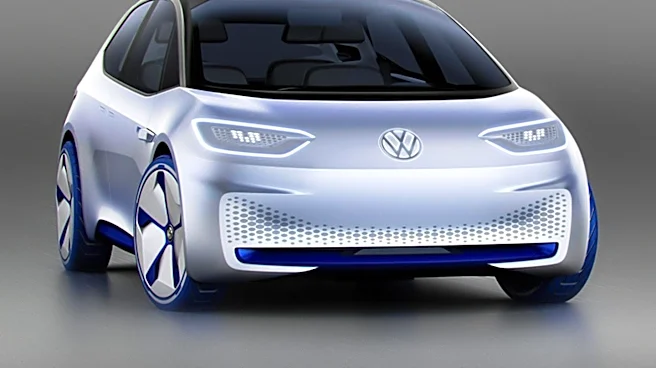
Volkswagen's shares experienced a dip following a new profit warning and its subsequent removal from the Euro Stoxx 50 index. The German carmaker downgraded its expected operating return on sales to 1%, a significant reduction from its previous forecast
of 4% to 5.5%. This revision is attributed to an impairment related to its substantial holding in Porsche, a 'further deterioration' in the market environment, particularly in China, and restructuring expenses. The company also noted that an accelerated shift towards battery-electric vehicles is causing developments to fall short of original expectations, especially for its Audi and Volkswagen Passenger Cars brands. Volkswagen's share price has declined by 27.5% this year, reaching near its lowest level since 2010. The company's exit from the Euro Stoxx 50, a move announced earlier in the month, reflects its struggles and the broader challenges facing Europe's automotive sector.
Why It's Important?
While Volkswagen is a German company, its struggles have significant implications for the U.S. automotive market and global industry trends. The profit warning and index exit highlight the intense pressures faced by traditional automakers in the transition to electric vehicles (EVs), a critical area of focus for the U.S. auto industry. Volkswagen's challenges in China, a major global market, underscore the competitive landscape and the impact of evolving consumer preferences on international sales for all major car manufacturers, including those with a strong U.S. presence. The company's need to cut 100,000 jobs as part of a restructuring effort signals the potential for similar workforce adjustments across the global automotive sector as companies grapple with waning profits, increased competition, and the high costs associated with EV development. This situation could influence investment decisions and strategic planning for U.S. automakers and their suppliers.
What's Next?
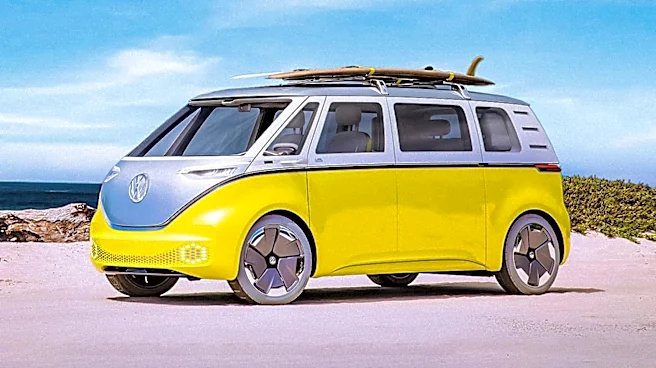
Volkswagen is undergoing a major restructure and streamlining effort, which includes significant job cuts, to address its financial challenges. While Deutsche Bank analysts suggest that the latest profit warning 'significantly overstates the deterioration in the underlying business' due to one-off effects, the company's long-term strategy will be crucial. The ongoing shift towards battery-electric vehicles will continue to be a primary focus, requiring substantial investment in research, development, and manufacturing capabilities. Volkswagen's ability to adapt to the changing market dynamics, particularly in China and the broader global EV landscape, will determine its future performance. The company's efforts to regain investor confidence and improve its market position will be closely watched by competitors and stakeholders in the U.S. and worldwide, as it navigates the complexities of the automotive industry's transformation.
Beyond the Headlines
Volkswagen's predicament reflects a deeper narrative within the global automotive industry: the struggle of legacy manufacturers to pivot effectively in the face of disruptive technologies and shifting consumer demands. The company's challenges with Chinese competitors and tariff complications underscore the geopolitical and economic complexities influencing global trade and manufacturing. The exit from a prestigious blue-chip index like the Euro Stoxx 50 is not merely a symbolic event; it can impact investor perception, access to capital, and overall market valuation. This situation highlights the broader trend of established industries facing existential threats from innovation and new market entrants, forcing a re-evaluation of business models, supply chains, and long-term sustainability. The emphasis on AI-related growth, as seen with Nokia replacing Volkswagen in the index, further illustrates the ongoing technological paradigm shift impacting various sectors.