

What's Happening?
Residents in Northern Virginia are increasingly turning to in-home personal training services to integrate fitness into their busy schedules. The demanding commutes and time constraints in areas like Fairfax County and Arlington make traditional gym visits
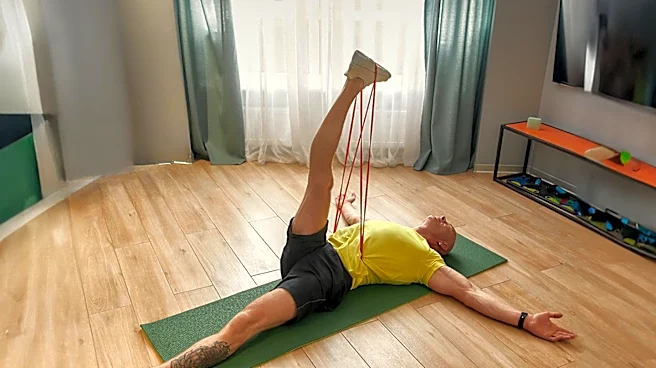
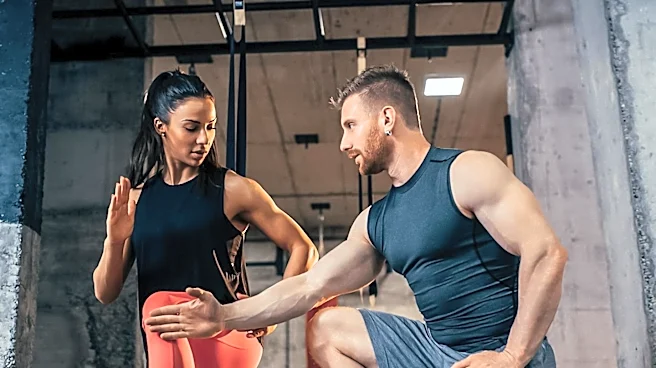
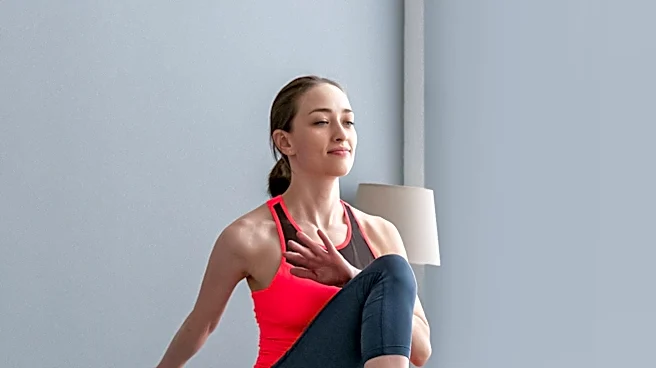
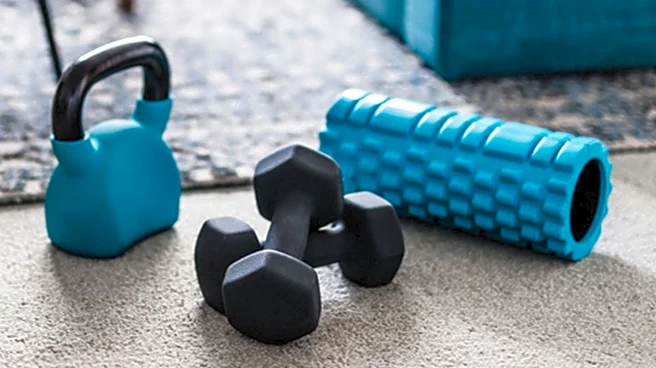
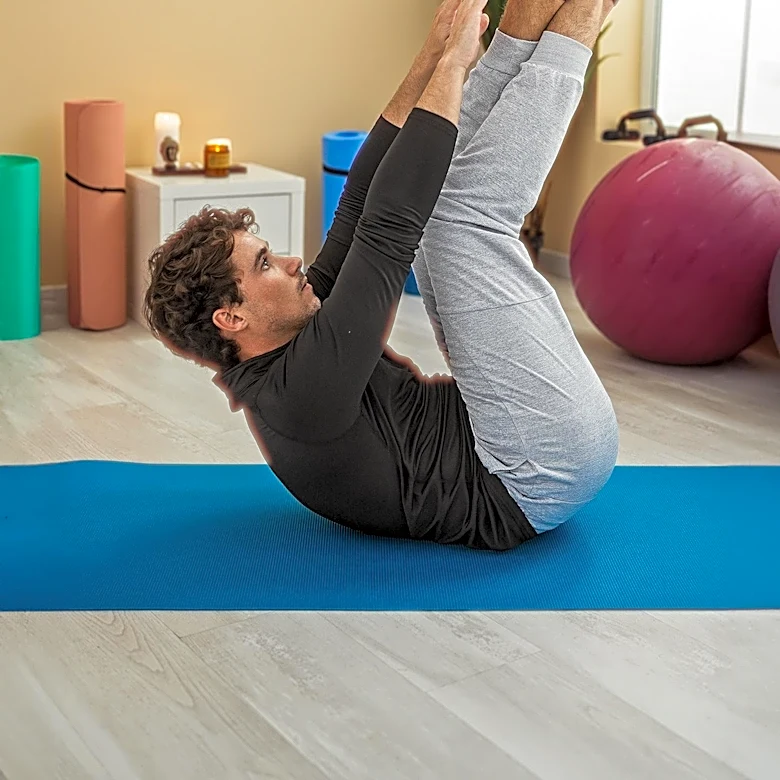
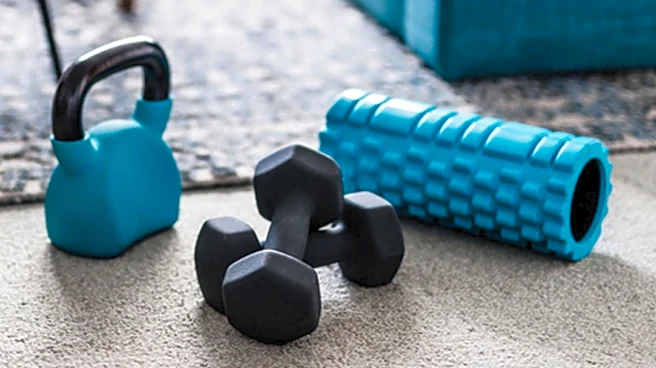
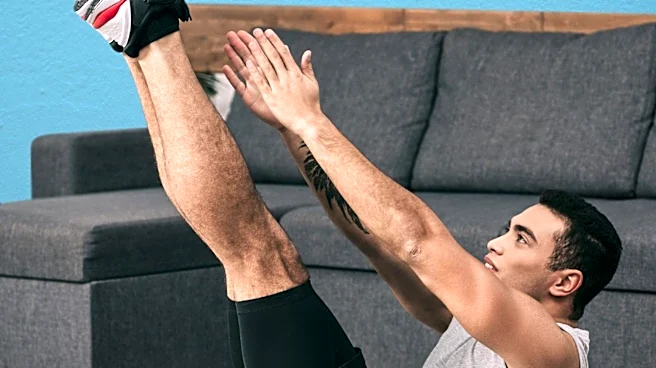
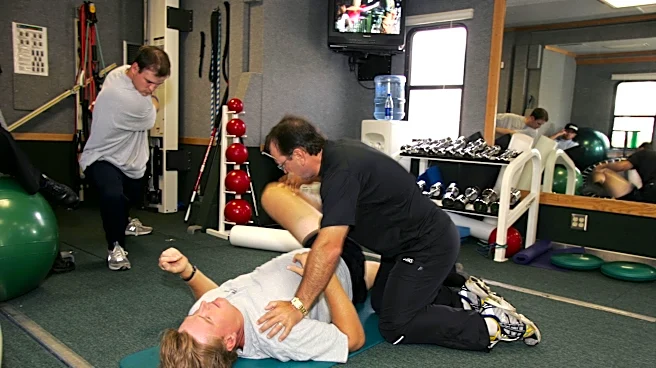
challenging. In-home personal trainers provide one-on-one workout sessions directly in clients' homes or other agreed-upon spaces, adapting exercises to individual fitness levels, goals, and available space. This personalized approach allows for flexible scheduling, eliminating travel time to a gym. Trainers assess fitness history, set goals, and design customized routines that can range from basic bodyweight exercises for beginners to strength-building sessions using dumbbells and resistance bands for more experienced individuals. The service emphasizes convenience, personalized feedback, and the ability to adjust workouts as clients progress, making fitness more accessible for those with demanding lifestyles.
Why It's Important?
The rise of in-home personal training in Northern Virginia highlights a significant shift in how individuals approach health and wellness, driven by lifestyle demands. This trend is important because it addresses a common barrier to physical activity: lack of time and convenience. By bringing fitness directly to the client, it empowers more people to maintain consistent exercise routines, potentially leading to improved public health outcomes in a region known for its fast-paced environment. For the fitness industry, it signifies a growing market for personalized, location-flexible services, potentially shifting resources and business models away from traditional gym memberships. This model also offers a tailored experience, which can be more effective for individuals with specific needs, physical limitations, or those who prefer privacy over a public gym setting, thereby broadening the demographic reach of personal training.
What's Next?
As the demand for convenient fitness solutions grows, the in-home personal training sector in Northern Virginia is likely to expand further. This could lead to an increase in the number of certified trainers offering mobile services and potentially more specialized offerings catering to niche demographics, such as seniors, postpartum mothers, or individuals with specific rehabilitation needs. Technology may also play a larger role, with trainers utilizing apps for progress tracking, virtual consultations, and even hybrid models combining in-person and online coaching. Local fitness companies may invest more in recruiting and training mobile personal trainers, and competition among providers could intensify, leading to diverse pricing structures and package options. Furthermore, as more people experience the benefits of personalized home workouts, it could influence urban planning and residential development to incorporate more fitness-friendly home environments.
Beyond the Headlines
The increasing preference for in-home personal training reflects broader societal trends towards customization, convenience, and the integration of services into daily life. This shift challenges the traditional communal gym model, suggesting a move towards more individualized and private wellness practices. Ethically, it raises questions about accessibility for different socioeconomic groups, as personalized in-home services can be more expensive than gym memberships. Culturally, it signifies a growing emphasis on personal well-being as a non-negotiable aspect of life, even amidst demanding professional schedules. Long-term, this trend could contribute to a more decentralized fitness landscape, where physical activity is less tied to specific commercial spaces and more integrated into personal living environments, potentially fostering a more holistic approach to health that blends seamlessly with work and family life.