





What's Happening?
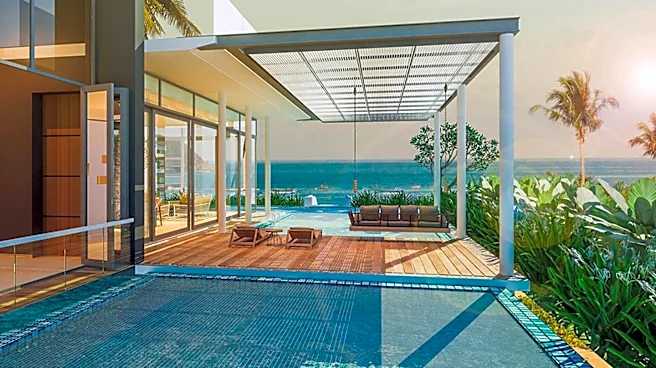
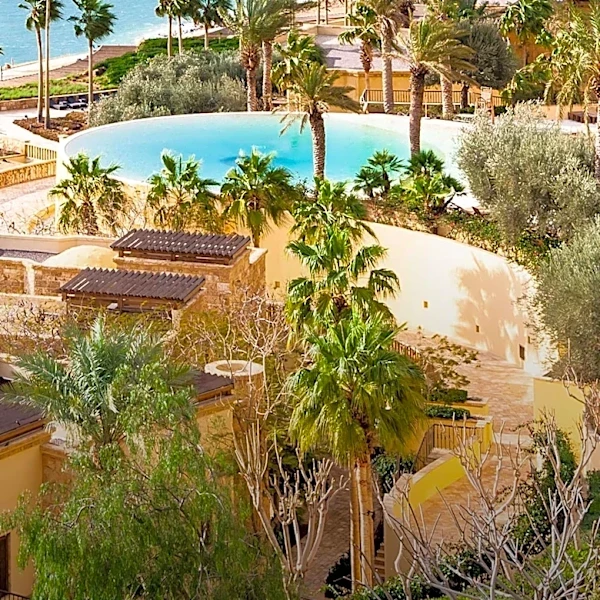
Jayasom Wellness Resort AMAALA has officially opened as the seventh resort within the AMAALA development, located on the Red Sea coast at Triple Bay. The resort, designed by Heah & Co. with interiors by Studio Carter, features 153 keys and 24 residences.
Its wellness program uniquely blends Arab and Eastern healing traditions with contemporary evidence-based practices, offering services in holistic health, fitness, physiotherapy, nutrition, spa, and beauty. Guest programs are customized to address specific goals such as women’s health, couples' and family wellbeing, and health, weight, and lifestyle resets. The property is divided into adults-only and family-friendly sections, with the former focusing on holistic therapies and fitness, and the latter on age-appropriate activities promoting connection and healthy habits. The resort also boasts eight dining venues serving regional and international cuisines with a focus on healthy living and interactive culinary experiences. Jayasom Residences, comprising two- to four-bedroom beachfront villas with private pools, offer residents complimentary wellness retreats and preferred access to resort amenities. The resort is powered by solar energy and supports AMAALA’s goal of achieving a 30% net conservation gain by 2040.
Why It's Important?
The opening of Jayasom Wellness Resort AMAALA signifies a significant development in the luxury wellness tourism sector, particularly in the Middle East. By combining traditional healing methods with modern scientific approaches, the resort aims to attract a diverse international clientele seeking comprehensive wellness experiences. This initiative contributes to Saudi Arabia's broader vision of diversifying its economy and establishing itself as a global tourism destination. The emphasis on sustainability, with the resort being solar-powered and committed to conservation, aligns with growing global demand for eco-conscious travel and responsible development. The inclusion of both adults-only and family offerings broadens its market appeal, catering to different segments of the wellness tourism demographic. This project also creates employment opportunities and stimulates local economies through its operations and supply chains. The integration of residences further establishes a long-term community aspect, potentially attracting high-net-worth individuals seeking a wellness-focused lifestyle.
What's Next?
In the coming months, AMAALA is slated to welcome two additional resorts, along with branded residences, integrated wellness facilities, a marina, retail spaces, a marine life experiential institute, and various dining options. This expansion indicates a rapid development phase for the AMAALA project, aiming to establish it as a comprehensive luxury destination. The success of Jayasom Wellness Resort AMAALA will likely influence future investment and development strategies within the region's burgeoning tourism industry. The resort will continue to refine its tailored wellness programs and dining experiences to meet evolving guest demands. Furthermore, its commitment to sustainability will be closely watched as AMAALA progresses towards its ambitious conservation goals, potentially setting a benchmark for future eco-tourism developments in the U.S. and globally. The resort will also likely focus on marketing its unique blend of traditional and contemporary wellness to attract a global audience.
Beyond the Headlines
The development of resorts like Jayasom Wellness Resort AMAALA reflects a broader trend in the hospitality industry towards experiential and holistic offerings, moving beyond traditional leisure travel. This shift highlights a growing consumer demand for personalized health and wellness solutions integrated into travel experiences. The blend of Arab and Eastern healing traditions with modern practices could also foster cultural exchange and appreciation, positioning wellness as a bridge between different cultural philosophies. The project's scale and sustainability commitments underscore a potential model for large-scale, environmentally conscious tourism development, which could influence future urban planning and resource management in similar ambitious projects worldwide. The focus on both individual and family wellness also points to a societal recognition of the importance of collective well-being and intergenerational health, moving beyond individualistic approaches to health. This could lead to new standards in luxury hospitality that prioritize comprehensive well-being and environmental stewardship.