


What's Happening?
The practice of upcycling and repurposing vintage furniture is gaining traction as a method to prevent solid timber pieces from prematurely ending up in landfills. This approach is highlighted as a key component of sustainable interior design, encouraging
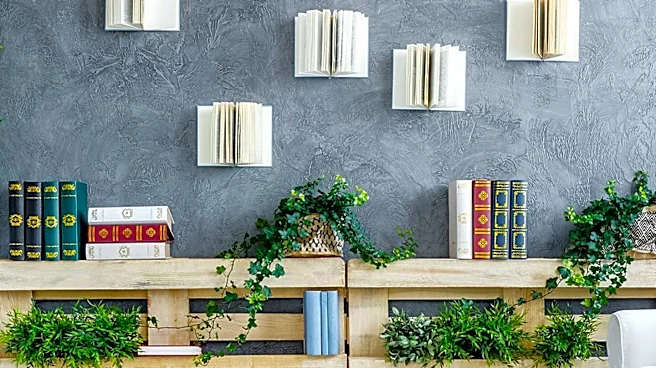
consumers to give old items a second life rather than discarding them. Examples of creative upcycling include transforming an old sewing machine into a functional sewing table and repurposing a shoe rack into a gift-wrapping station. This trend emphasizes the value of existing furniture, promoting its restoration and adaptation for new uses. The focus is on extending the lifespan of durable goods and reducing the environmental impact associated with furniture disposal and the continuous demand for new production. This movement aligns with broader sustainable living initiatives that advocate for mindful consumption and resource conservation.
Why It's Important?
The emphasis on upcycling furniture holds significant importance for environmental sustainability and consumer behavior in the U.S. By diverting solid timber furniture from landfills, it directly addresses the growing problem of waste accumulation and the associated environmental burden. This practice reduces the demand for new raw materials, thereby lessening deforestation and the energy consumption involved in manufacturing new furniture. Economically, upcycling offers a cost-effective alternative for consumers seeking to furnish their homes, potentially saving money compared to purchasing new items. It also fosters creativity and DIY skills, empowering individuals to personalize their living spaces. For the interior design industry, it promotes a shift towards more eco-conscious practices and offers opportunities for businesses specializing in furniture restoration and custom design. This trend can also influence public policy towards waste reduction and circular economy principles, encouraging more sustainable consumption patterns nationwide.
What's Next?
The trend of upcycling furniture is likely to continue growing, driven by increasing environmental awareness and the desire for unique, personalized home decor. We can anticipate a rise in workshops and online tutorials dedicated to furniture restoration and repurposing, making these skills more accessible to the general public. Retailers and designers may also integrate upcycled pieces into their offerings, further legitimizing and popularizing the practice. Local governments might introduce initiatives or incentives to encourage furniture donation and upcycling, potentially partnering with community organizations to establish repair cafes or upcycling centers. Furthermore, the market for eco-friendly paints and materials suitable for furniture restoration is expected to expand, supporting the DIY community. This movement could also inspire broader discussions about product longevity and the responsibility of manufacturers to design for durability and recyclability.
Beyond the Headlines
Beyond its immediate environmental and economic benefits, the upcycling movement reflects a deeper cultural shift towards valuing craftsmanship, history, and individuality over mass-produced uniformity. It challenges the 'throwaway' culture by encouraging a more thoughtful relationship with possessions, fostering an appreciation for the stories and potential of older items. Ethically, it promotes responsible consumption and resource stewardship, aligning with principles of environmental justice by reducing pollution and waste that disproportionately affect marginalized communities. Legally, increased upcycling could lead to policy discussions around extended producer responsibility for furniture and other durable goods, pushing manufacturers to consider the end-of-life cycle of their products. Culturally, it represents a return to DIY ethics and a rejection of fast furniture trends, fostering a sense of pride in creating and restoring rather than simply buying new. This shift could have long-term implications for how society views consumption, waste, and the value of material goods.