


What's Happening?
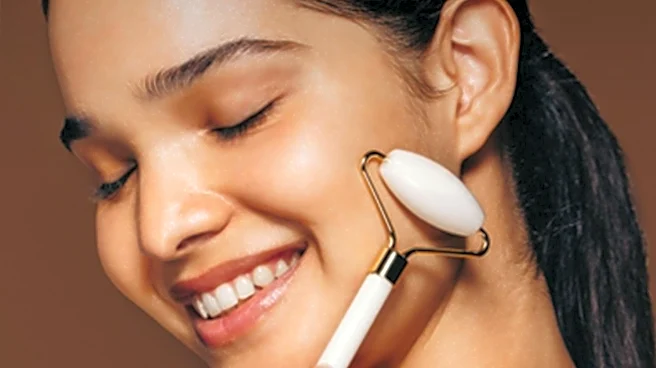
The beauty industry is seeing a rise in 'skinimalism,' a trend that advocates for simplified beauty routines using fewer, multi-purpose products. This approach emphasizes natural, lightweight textures and minimal makeup to achieve a 'good face' effect
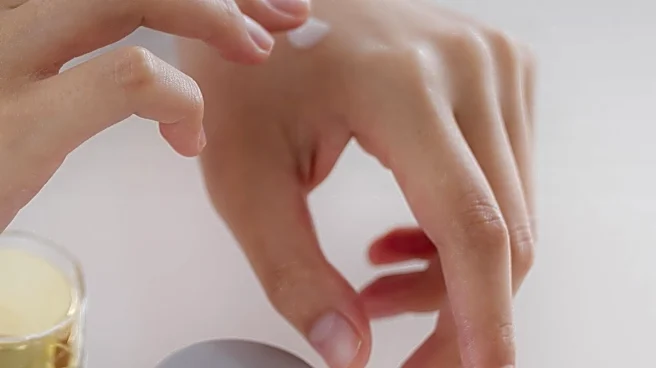
without heavy foundations. Products like skin tints are gaining prominence due to their light coverage and natural finish, which help to even out skin tone without concealing the face entirely. The trend also promotes less complicated skincare routines, aiming for greater effectiveness with fewer steps, which can lead to reduced skin irritation and improved skin health. This shift is influencing product development, with a focus on hybrid beauty products that combine makeup with skincare ingredients like hyaluronic acid, niacinamide, and ceramides to offer both cosmetic benefits and skin nourishment. The core idea is to simplify daily routines while still achieving desired aesthetic and health outcomes.
Why It's Important?
The 'skinimalism' trend signifies a notable shift in consumer preferences within the U.S. beauty market, moving away from extensive, multi-step routines towards more minimalist and natural approaches. This change impacts beauty brands, prompting them to innovate and offer products that are multi-functional, lightweight, and formulated with beneficial skincare ingredients. Companies that adapt to this trend by providing high-quality, hybrid products are likely to gain market share, while those clinging to traditional, heavy makeup lines might see a decline in demand. For consumers, this trend offers potential benefits such as cost savings due to fewer product purchases, reduced exposure to various chemicals, and potentially healthier skin from less irritation. It also reflects a broader cultural movement towards authenticity and natural beauty, challenging the long-standing emphasis on heavily made-up appearances. This could lead to a re-evaluation of beauty standards and marketing strategies across the industry.
What's Next?
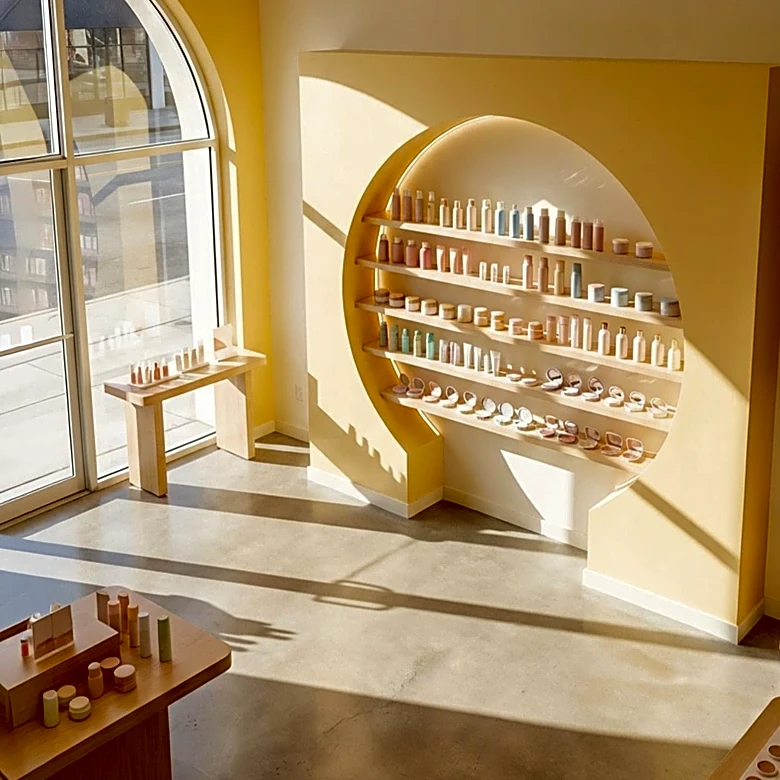
As 'skinimalism' continues to gain traction, the beauty industry is expected to further invest in research and development for hybrid products that seamlessly blend makeup and skincare. Consumers can anticipate a wider array of skin tints, tinted moisturizers, and multi-purpose balms that offer both coverage and treatment benefits. Retailers will likely adjust their merchandising strategies to highlight these minimalist options, potentially creating dedicated sections for 'skinimalist' products. Educational content from beauty influencers and brands will increasingly focus on simplified routines and the benefits of using fewer products. Furthermore, the emphasis on natural ingredients and skin health is likely to drive demand for clean beauty formulations, pushing brands to be more transparent about their ingredient lists. This trend could also influence other areas of personal care, encouraging a more streamlined approach to overall self-care routines.
Beyond the Headlines
Beyond its immediate impact on product sales and beauty routines, 'skinimalism' reflects deeper societal shifts towards sustainability and conscious consumption. By encouraging the use of fewer products, the trend inherently promotes less waste, aligning with growing environmental concerns among consumers. Ethically, it challenges the notion that extensive beauty routines are necessary for self-worth, fostering a more accepting view of natural appearances. This could have long-term cultural implications, potentially reducing pressure on individuals to conform to unrealistic beauty standards perpetuated by social media and advertising. The focus on skin health over heavy concealment also suggests a more holistic approach to well-being, where beauty is seen as an outcome of good health rather than merely a cosmetic application. This philosophical shift could lead to a more empowered and self-assured consumer base, demanding authenticity and efficacy from beauty brands.