





What's Happening?
Michal Strnad, a Czech businessman, has significantly expanded the Czechoslovak Group (CSG), a defense industry conglomerate, leveraging the current European rearmament wave. Strnad inherited the business from his father, Jaroslav Strnad, who laid the foundation
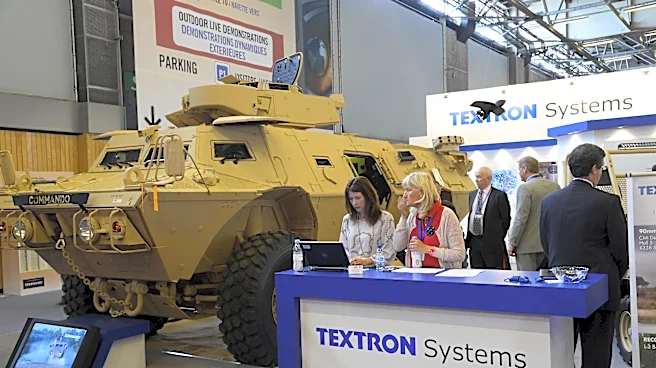
for CSG through military equipment and industrial activities. Michal Strnad joined the company early and, upon taking leadership, implemented a strategy of expansion through investments, acquisitions, and product diversification. CSG operates in various sectors, including ammunition production, military equipment and vehicles, defense technology, and related industrial fields. The group's growth is closely tied to the increasing demand for defense capabilities in Europe, particularly in response to a volatile regional security environment. This strategic expansion has transformed CSG from a family business into an international industrial group.
Why It's Important?
The expansion of Czechoslovak Group under Michal Strnad highlights a significant trend in the European defense industry, driven by geopolitical shifts and increased national defense spending. This growth strategy, focused on acquisitions and integration, allows CSG to enhance its production capacity, technology, market reach, and customer network. The defense industry, characterized by long investment cycles, stringent technical requirements, and large government contracts, is heavily influenced by national policies and geopolitical dynamics. As European nations increase their defense budgets, companies like CSG with robust production capabilities and supply chains are well-positioned to benefit. This development underscores the critical role of private enterprises in meeting national security needs and adapting to evolving market conditions, potentially influencing the balance of power and industrial capabilities within Europe.
What's Next?
The future growth of Czechoslovak Group and similar defense companies will largely depend on continued budget allocations for defense, the progression of existing contracts, political cycles, and the successful execution of projects. The industry's inherent cyclical nature and dependence on policy decisions mean that while current trends favor expansion, companies must remain adaptable. CSG's strategy of diversification and acquisition suggests a proactive approach to mitigating risks and capitalizing on opportunities. Potential reactions from stakeholders include increased scrutiny from governments regarding defense spending and procurement, as well as heightened competition among defense contractors. The ongoing geopolitical landscape in Europe will likely continue to shape demand, influencing the strategic decisions and operational focus of companies like CSG in the coming years.
Beyond the Headlines
Michal Strnad's success in transforming a family business into a major international defense conglomerate offers broader lessons for family enterprises, particularly in navigating generational transitions. It emphasizes that succession involves not just preserving existing assets but also innovating and scaling the business to new heights. For industries heavily influenced by geopolitical factors, like defense, this means recognizing market trends while understanding the inherent uncertainties and risks. The story highlights the importance of strategic acquisitions for capacity building rather than merely pursuing scale or revenue. It also underscores the need for businesses to build resilience, diversify markets, and prepare for various scenarios in response to policy shifts, supply chain disruptions, and fluctuating customer demand, especially in sectors with long-term strategic implications.