

What's Happening?
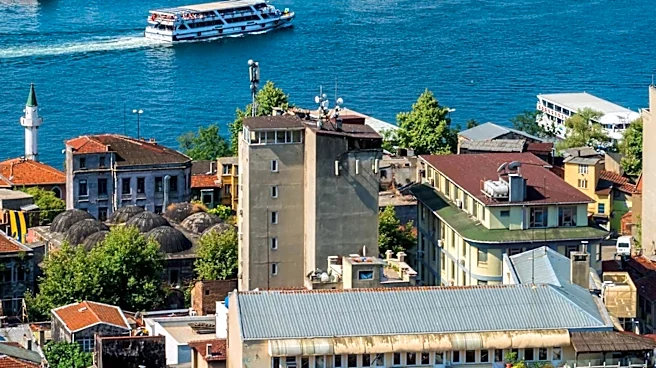
Istanbul is increasingly recognized as a global cultural hub, a transformation significantly propelled by major Turkish business groups. These groups have invested in establishing galleries, museums, and foundations, contributing to the city's cultural landscape.
For instance, Sabancı University Sakıp Sabancı Museum hosted a Yoko Ono exhibition, showcasing international contemporary art. Similarly, Istanbul Modern, backed by funding sponsor Eczacıbaşı, reopened in 2023 in a building designed by Renzo Piano, serving as a point of contact between Turkey and the global art world. This corporate involvement extends beyond traditional art, with institutions like the Rahmi M. Koç Museum preserving Turkey's industrial history. These initiatives aim to attract visitors, talent, and business by enhancing Istanbul's cultural appeal and fostering international cultural interaction and networking. The city's rich history, spanning Roman, Byzantine, and Ottoman empires, combined with its unique position straddling two continents, provides a fertile ground for this cultural development.
Why It's Important?
The emergence of Istanbul as a global cultural hub, largely due to the strategic investments of Turkish business groups, holds significant importance for the city's economic and social development. By fostering a vibrant cultural ecosystem, Istanbul enhances its attractiveness to international talent and investment. A strong business environment and a robust economy are no longer sufficient; quality of life, heavily influenced by cultural offerings, is equally crucial for attracting global professionals and businesses. This cultural enrichment also diversifies the city's tourism appeal, moving beyond historical landmarks to include contemporary art and industrial heritage. The increased cultural interaction and networking facilitate the exchange of ideas and expertise, potentially leading to further innovation and collaboration across various sectors. This trend positions Istanbul as a dynamic metropolis where culture and commerce mutually reinforce each other, contributing to its global standing and long-term prosperity.
What's Next?
Istanbul is expected to continue its trajectory as a global cultural center, with ongoing investments from Turkish business groups likely to further expand its cultural infrastructure and programming. The success of international exhibitions and the development of world-class museums will likely encourage more collaborations with global art institutions and artists, drawing a wider international audience. The focus on cultural events and attractions is also anticipated to influence urban planning and development, with more spaces dedicated to arts and culture. Furthermore, the integration of culture into the visitor experience, as seen with initiatives at airports, suggests a broader strategy to embed cultural elements across various touchpoints for tourists and residents alike. This sustained effort is poised to solidify Istanbul's reputation as a city that offers a rich blend of history, contemporary culture, and economic opportunity.
Beyond the Headlines
The proactive role of Turkish business groups in cultivating Istanbul's cultural scene highlights a broader understanding of corporate social responsibility and strategic investment. Beyond direct financial returns, these businesses recognize the intrinsic value of culture in shaping a city's identity and global competitiveness. This approach suggests a shift from purely economic metrics to a more holistic view of urban development, where cultural capital is seen as a critical asset. The blending of historical heritage with contemporary artistic expressions also fosters a unique cultural dialogue, positioning Istanbul as a bridge between East and West not just geographically, but also culturally. This deep integration of business and culture could serve as a model for other emerging global cities seeking to enhance their international appeal and create sustainable, vibrant urban environments.