







What's Happening?
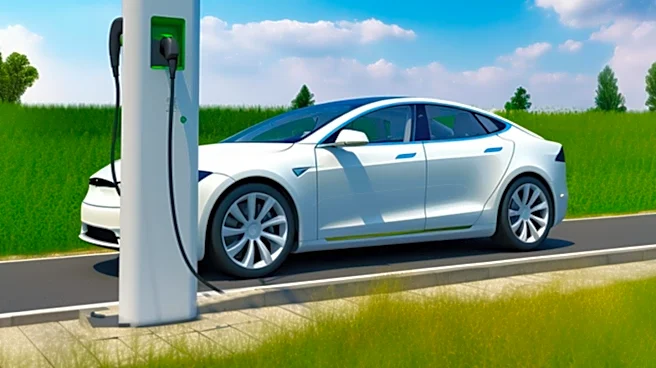
Consumer Reports has provided guidance for travelers considering renting electric vehicles (EVs) for summer road trips, as gas prices continue to impact travel budgets. Keith Barry, an auto writer and EV expert at Consumer Reports, highlights that charging
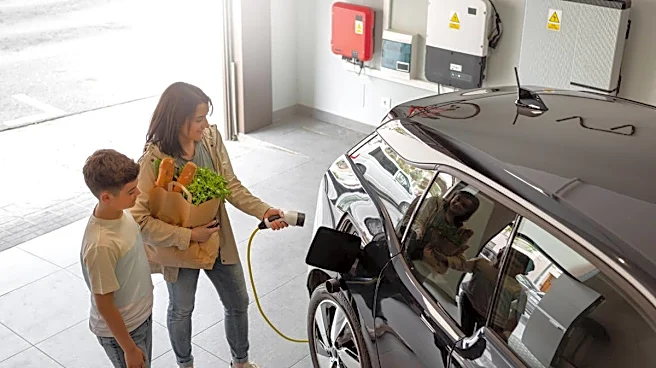
an EV is generally cheaper than refueling a gasoline car, though savings depend on various factors such as charger availability and battery range. The report advises travelers to consider the type of chargers available at their destinations, with Level 2 chargers being common at homes and hotels, and DC fast chargers available at highway rest areas. The latter can recharge an EV in under 30 minutes but may be more expensive. For long trips, especially in areas with scarce charging stations, a hybrid vehicle might be more practical. Additionally, Consumer Reports warns against seemingly cheap rental deals that may have hidden costs or restrictions.
Why It's Important?
The advice from Consumer Reports is significant as it addresses the growing interest in electric vehicles amid fluctuating gas prices. This guidance can help travelers make informed decisions, potentially leading to cost savings and reduced environmental impact. The shift towards EV rentals reflects broader trends in the automotive industry and consumer behavior, as more people seek sustainable travel options. This could influence rental car companies to expand their EV offerings and charging infrastructure, impacting the automotive and energy sectors. Consumers stand to benefit from lower travel costs and a reduced carbon footprint, while businesses may need to adapt to changing demands.
What's Next?
As the demand for electric vehicles continues to rise, rental companies may increase their EV fleets and improve charging infrastructure to meet consumer needs. This could lead to more competitive pricing and better availability of EVs for travelers. Additionally, advancements in battery technology and charging speed could further enhance the appeal of electric vehicles for long-distance travel. Policymakers might also consider incentives to encourage the adoption of EVs, which could accelerate the transition to sustainable transportation.