


What's Happening?
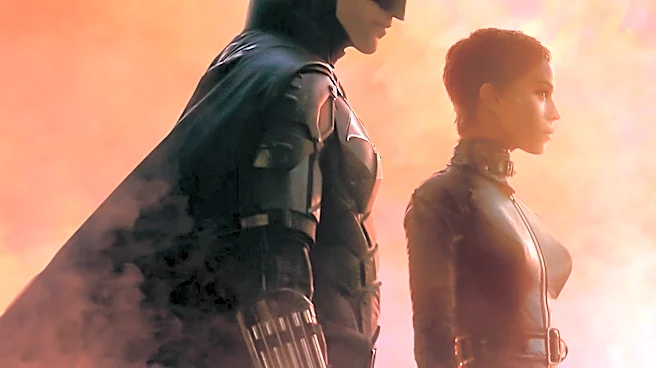
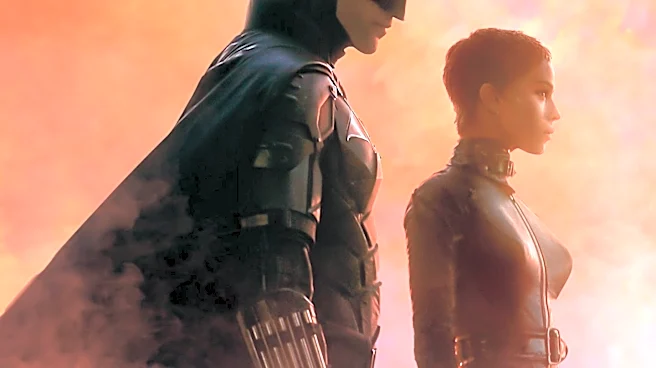
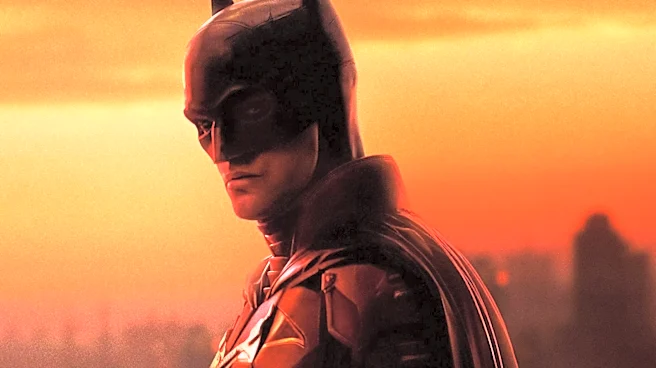
Reports indicate that director Matt Reeves and actor Robert Pattinson will not complete a planned 'The Batman' trilogy, with 'The Batman: Part II' expected to be their final installment. According to Hollywood insider Jeff Sneider, Reeves' decision to conclude
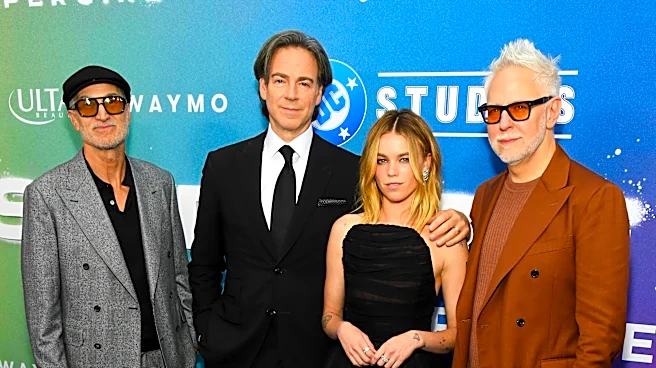
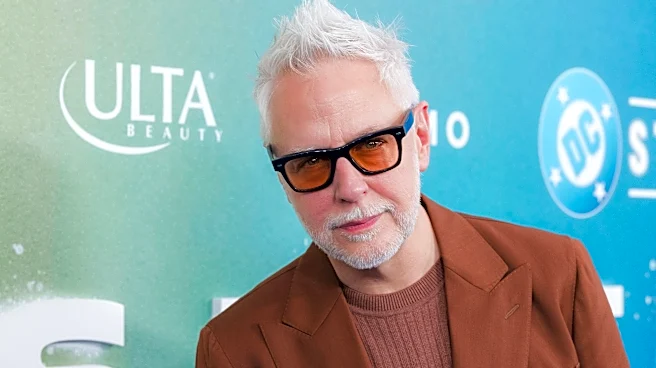
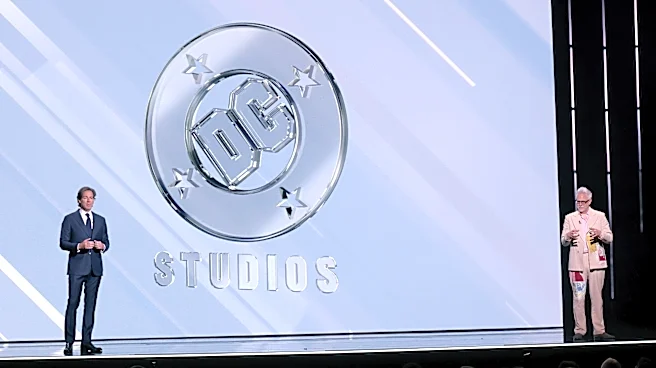
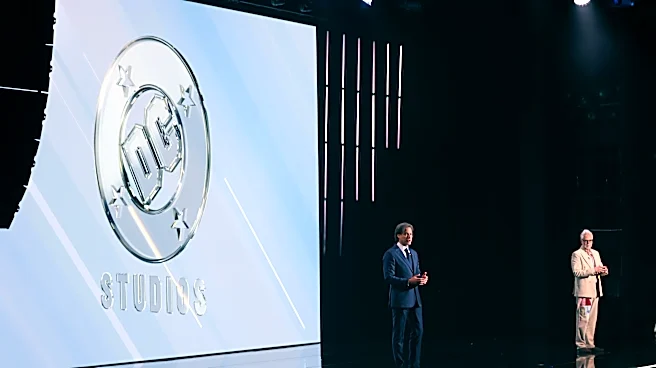
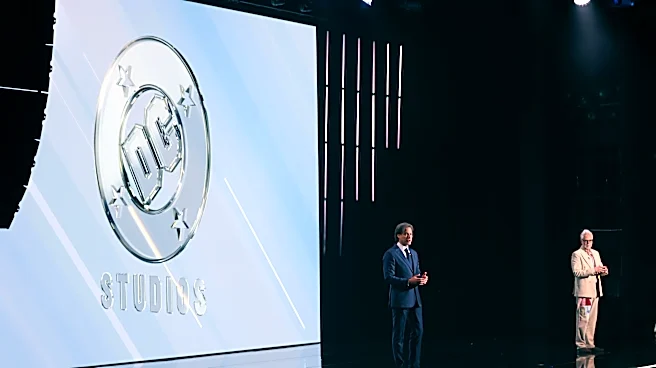
his involvement is primarily due to personal family issues, which previously caused a halt in filming, requiring Steven Soderbergh to step in. While Pattinson's casting as James Bond has been a factor in discussions about his future as Batman, Sneider suggests Reeves' personal reasons are the more significant determinant. 'The Batman: Part II' is currently scheduled for release on February 18, 2028. This development coincides with recent leadership changes at DC Studios, including the exits of James Gunn and Peter Safran, and the appointment of Jeremy Latcham.
Why It's Important?
The reported decision by Matt Reeves and Robert Pattinson not to complete 'The Batman' trilogy has substantial implications for DC Studios. This move effectively opens the door for incoming DC Studios chief Jeremy Latcham to shape the future of the Batman character without the constraints of a pre-existing, independent trilogy. The timing of this news, following the departures of James Gunn and Peter Safran, suggests a potential clean slate for DC's cinematic universe. The previous strategy of maintaining two separate cinematic versions of Batman—Reeves' 'Reevesverse' and Gunn's planned 'The Brave and the Bold'—could now be abandoned. This could allow DC Studios to concentrate its efforts on establishing a single, definitive Batman that can seamlessly integrate into the broader DC Universe, potentially leading to a more cohesive and streamlined franchise strategy.
What's Next?
With 'The Batman: Part II' set for release in February 2028, the immediate focus will be on its completion. However, the long-term trajectory for the Batman character within DC Studios is now subject to significant change. Jeremy Latcham, as the new head of DC Studios, will likely have the opportunity to cast a new actor and director for future Batman projects, aligning them with his vision for the DC Universe. This could mean a departure from the darker, more grounded tone of the 'Reevesverse' towards a Batman that embraces more fantastical elements and interacts with other DC superheroes. The studio may also prioritize a unified cinematic approach, avoiding the previous complexity of managing multiple, competing Batman franchises. This shift could lead to a fresh start for the character, potentially introducing a Batman who is more integrated into a larger superhero ensemble.
Beyond the Headlines
The reported conclusion of the 'Reevesverse' after two films underscores the challenges of maintaining creative continuity and talent retention in major film franchises. The personal reasons cited for Matt Reeves' potential departure highlight the human element in large-scale productions, where individual circumstances can significantly impact long-term plans. For Robert Pattinson, balancing two iconic roles like Batman and James Bond presents a demanding schedule, illustrating the increasing pressure on actors in multi-franchise careers. This situation could influence future contract negotiations in Hollywood, potentially leading to more flexible agreements that account for personal commitments and competing franchise demands. The outcome also reflects a broader trend in Hollywood where studios frequently re-evaluate and reboot franchises to align with new leadership visions, often at the expense of previously established creative directions.