



What's Happening?
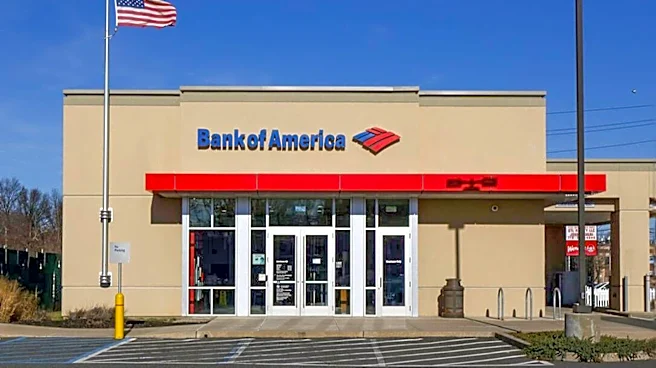
On November 16, 2026, a widespread bank outage across the United States was attributed to a software bug within JPMorgan Chase's internal systems, causing delays in banking transactions. Customers of Chase, Bank of America, Wells Fargo, and other financial
institutions reported difficulties with online services and payments, including issues with Zelle. While Chase confirmed a software malfunction affecting its on-premises hardware, it stated there was no evidence of a cyberattack. The incident prompted questions about the safety of customer funds and the legal protections available for disrupted payments. The Electronic Fund Transfer Act and Regulation E provide consumer rights for transfer errors and unauthorized transactions. Federal rules also mandate how banks manage serious technological incidents and notify regulators. International standards from the Basel Committee on Banking Supervision and the Financial Stability Board address maintaining critical financial services during disruptions.
Why It's Important?
This incident underscores the critical importance of operational resilience in the banking sector, particularly given the interconnectedness of financial institutions and their reliance on shared technology. A technical problem at one major bank, like Chase, can have ripple effects across the entire payment system, affecting customers of other institutions. The event highlights the distinction between temporary service unavailability and a qualifying electronic fund transfer error, which determines the applicability of consumer protection laws like the Electronic Fund Transfer Act and Regulation E. For consumers, understanding these distinctions is crucial for seeking remedies for missing transfers, delayed payments, or unexpected fees. For the banking industry, the outage serves as a reminder of the need for robust continuity planning, system redundancy, and effective incident management to prevent and mitigate the impact of such disruptions on financial stability and public trust.
What's Next?
Customers affected by the outage are advised to monitor their accounts, preserve evidence of any disrupted transactions, and communicate with their banks and creditors. The Consumer Financial Protection Bureau (CFPB) recommends contacting financial institutions to request relief from fees caused by the disruption. While regulatory complaints can prompt a response, they do not guarantee compensation. Banks, in turn, face scrutiny regarding their compliance with federal notification rules, which require reporting significant computer-security incidents to regulators within 36 hours of determination. The incident may also prompt a review of internal processes at Chase and other banks to enhance their operational resilience, particularly concerning software development, testing, and third-party risk management. The broader implications for international standards, such as those from the Basel Committee and the Financial Stability Board, will likely continue to influence domestic regulatory policy and supervisory practices.
Beyond the Headlines
The Chase bank outage brings to light the inherent vulnerabilities in modern digital banking infrastructure. While the immediate cause was a software bug, the incident highlights the broader challenge of managing complex technological ecosystems that underpin global finance. The distinction between a technical malfunction and a cyberattack is significant, as it dictates the investigative and security responses. However, from a customer's perspective, the outcome—disrupted access to funds and services—is largely the same. This event could accelerate discussions around stricter regulatory frameworks for digital operational resilience, similar to the European Union's Digital Operational Resilience Act (DORA), which imposes binding requirements on financial entities. The incident also emphasizes the need for financial literacy among consumers regarding their rights and responsibilities during banking disruptions, as well as the importance of vigilance against fraud that often exploits such events.