





What's Happening?
Prebiotics are non-digestible fibers and carbohydrates that serve as a vital food source for beneficial bacteria residing in the gut. These compounds, which include inulin, fructooligosaccharides (FOS), and galactooligosaccharides (GOS), pass through
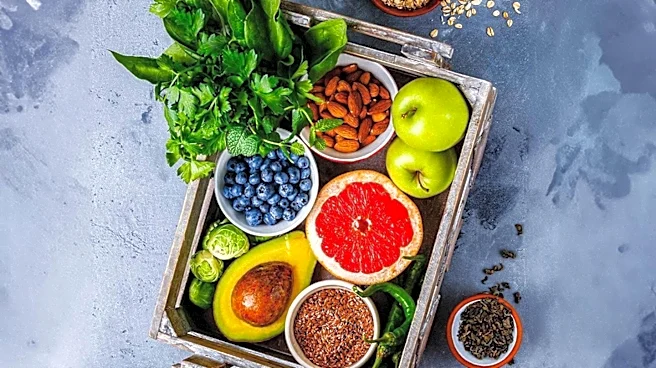
the upper digestive tract undigested and reach the large bowel. Once there, they are fermented by gut microbes, particularly Bifidobacteria and Lactobacilli, stimulating their growth and activity. This process is crucial for maintaining a healthy gut microbiome, which in turn supports overall digestive function and well-being. Prebiotics are naturally found in a variety of foods such as oats, beans, berries, bananas, asparagus, garlic, and peas, as well as other fruits, vegetables, and whole grains. They are considered a fundamental component of gut nutrition, acting as 'microbial fuel' to foster a diverse and robust internal ecosystem.
Why It's Important?
The role of prebiotics in gut health is significant because a balanced and diverse gut microbiome is intrinsically linked to various aspects of human health beyond digestion. The fermentation of prebiotics by gut bacteria produces beneficial compounds called short-chain fatty acids (SCFAs), such as butyrate, acetate, and propionate. Butyrate, for instance, is the primary fuel source for colon cells, helping to maintain the integrity of the gut barrier and reduce local inflammation. Acetate and propionate, once absorbed into the bloodstream, contribute to regulating appetite, lipid metabolism, and liver function. A diet rich in prebiotics helps cultivate a diverse microbial ecosystem, which is associated with improved immune function, metabolic health, and even mood regulation. Conversely, a diet lacking in these fibers can lead to a less diverse microbiome, potentially contributing to digestive issues like sluggish transit and irregular bowel movements, as well as low-grade systemic inflammation.
What's Next?
Individuals seeking to improve their gut health are encouraged to gradually increase their intake of prebiotic-rich foods. Incorporating a variety of plant-based foods, including whole grains, fruits, and vegetables, is a practical step. For those unaccustomed to high-fiber diets, a slow and steady increase in portion sizes, coupled with adequate hydration, is recommended to allow the digestive system to adapt and minimize potential discomfort like bloating. Continued research into the specific mechanisms and optimal dosages of different prebiotics is ongoing, which may lead to more targeted dietary recommendations or the development of new functional foods and supplements. Healthcare professionals may also increasingly recommend dietary changes focusing on prebiotics as a first-line approach for managing certain digestive complaints, after ruling out underlying medical conditions.
Beyond the Headlines
The emphasis on prebiotics highlights a broader shift in understanding health, moving beyond simply treating symptoms to fostering a healthy internal environment. This perspective underscores the interconnectedness of diet, gut microbiome, and overall physiological well-being. The concept of 'feeding' beneficial bacteria through dietary choices empowers individuals to take a proactive role in their health. Furthermore, the growing awareness of prebiotics and their benefits could influence agricultural practices, encouraging the cultivation of diverse plant foods. It also raises ethical considerations regarding the accessibility of healthy, prebiotic-rich foods for all socioeconomic groups, as dietary disparities can exacerbate health inequalities. The long-term societal impact could include a reduction in chronic diseases linked to gut dysbiosis and a greater appreciation for the complex interplay between human biology and the food we consume.