


What's Happening?
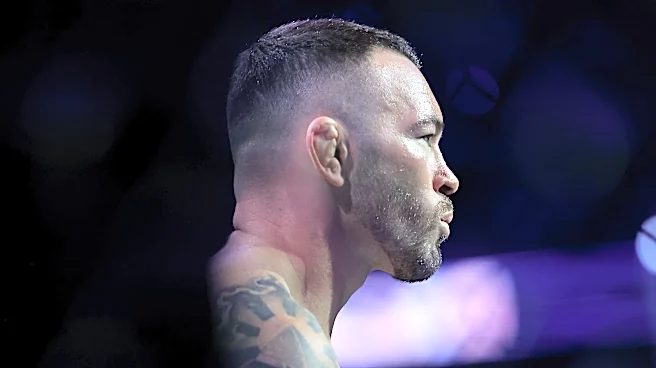
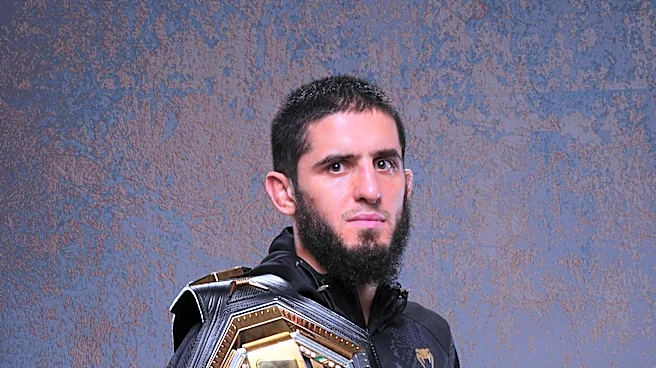
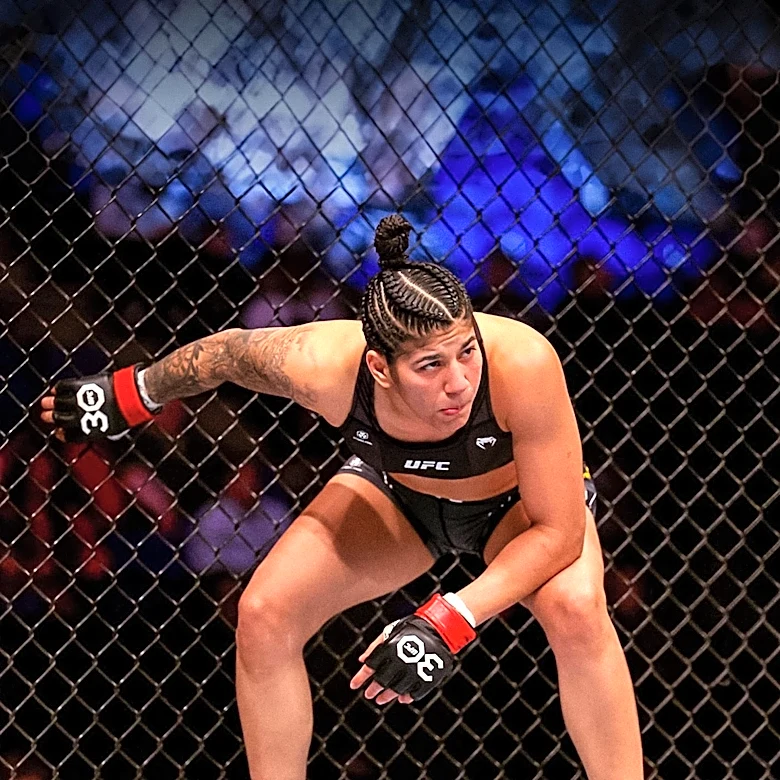
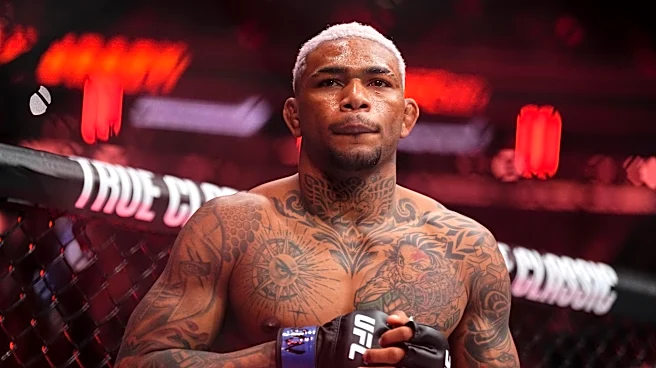
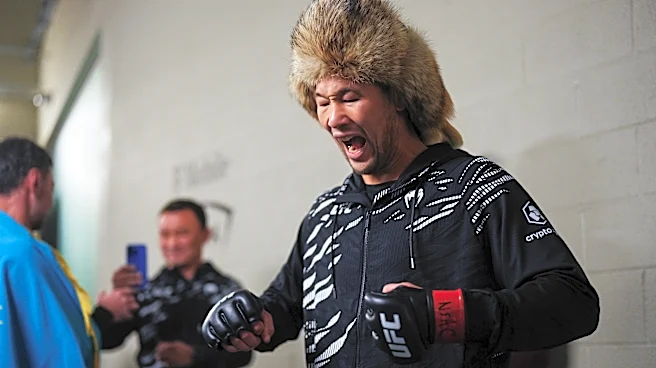
Former UFC fighter Colby Covington has publicly stated his belief that UFC welterweight champion Islam Makhachev should retire from the sport. This comes after Makhachev indicated that his upcoming title defense against the winner of the UFC 336 co-main
event between Carlos Prates and Michael Morales will be one of his final fights. Covington, speaking to Submission Radio, questioned whether Makhachev would ever fight again, suggesting that such comments indicate a fighter who is 'half-foot out, half-foot in.' He further speculated that Makhachev's statements might be a negotiation tactic to secure a more lucrative deal with the UFC, implying that the champion could be using the threat of early retirement to leverage better financial terms. Makhachev's decision not to fight in January at UFC 336, despite previous plans, has also drawn criticism and fueled speculation about his commitment to the sport.
Why It's Important?
Covington's comments highlight the intense competitive and financial pressures within the UFC. For fighters like Makhachev, who have achieved significant success, the balance between career longevity, physical well-being, and financial gain becomes critical. If Makhachev's statements are indeed a negotiation tactic, it underscores the power dynamics between top-tier athletes and the promotion, where public declarations can be used to influence contract discussions. This situation could set a precedent for other fighters considering similar strategies, potentially impacting how the UFC approaches contract negotiations with its champions. The debate also touches on the broader issue of fighter compensation and the perceived value of a champion's presence in the sport, especially when they hint at an early exit.
What's Next?
Makhachev's next fight, which he has stated will be one of his last, is against the winner of the interim UFC welterweight title bout between Carlos Prates and Michael Morales. The outcome of this fight, coupled with any subsequent announcements from Makhachev, will clarify his immediate future in the UFC. If he does retire, it would leave a significant void in the welterweight division and potentially open up new opportunities for other contenders. Conversely, if his comments were purely a negotiation tactic, a new contract announcement could follow, potentially with improved terms. The UFC will likely monitor the situation closely, as losing a champion of Makhachev's caliber could impact viewership and event appeal.
Beyond the Headlines
The discussion around Makhachev's potential retirement and Covington's interpretation of it delves into the psychological aspects of professional fighting. The physical toll of MMA is immense, and fighters often grapple with the decision of when to step away. Makhachev's success, having achieved almost everything in the sport, makes his consideration of retirement understandable from a personal standpoint. However, the commercial realities of the UFC mean that such decisions are rarely purely personal. The interplay between a fighter's personal aspirations, their physical limits, and the financial incentives offered by the promotion creates a complex narrative that extends beyond the octagon, touching on themes of athlete welfare, career management, and the business of combat sports.