






What's Happening?
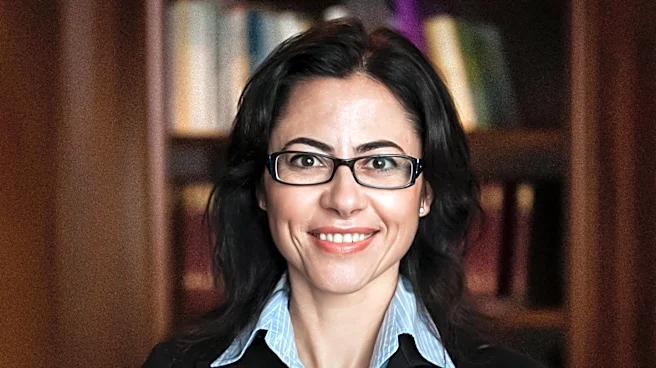
The Sarasota Concert Association (SCA) has announced the appointment of Denise Galambos and Michael Fischer to its Board of Directors. These additions aim to bolster the organization's leadership with their extensive professional experience and dedication
to the arts. Denise Galambos previously served as Senior Vice President and Chief Human Resources Officer for Exelon Corporation, where she oversaw enterprise-wide HR strategy, talent development, labor relations, and diversity, equity, and inclusion initiatives. Before her tenure at Exelon, Ms. Galambos practiced labor and employment law with Morgan Lewis & Bockius and worked in the U.S. Department of Labor's Civil Rights Division. Michael Fischer recently retired from Ernst & Young after a 35-year career as an audit partner, during which he served as lead audit partner for numerous international clients and held leadership roles across multiple U.S. and international offices. He is a licensed CPA in New York and Florida and an adjunct instructor at the University of South Florida.
Why It's Important?
The addition of Denise Galambos and Michael Fischer to the Sarasota Concert Association's board is significant for several reasons. Ms. Galambos's background in human resources and civil rights, particularly her experience with diversity, equity, and inclusion initiatives at a major corporation like Exelon, can bring valuable insights into fostering a more inclusive and equitable environment within the arts organization. Her legal expertise from Morgan Lewis & Bockius and the U.S. Department of Labor will also be beneficial for governance and compliance. Mr. Fischer's extensive financial and auditing experience from Ernst & Young will be crucial for ensuring the SCA's fiscal health, transparency, and strategic financial planning. His international experience could also provide a broader perspective on organizational management. The combined expertise of these two individuals is expected to strengthen the SCA's operational efficiency, financial stability, and community engagement, ultimately enhancing its mission to present world-class musical experiences to the Sarasota community.
What's Next?
With the new board members, the Sarasota Concert Association is poised to leverage their diverse expertise to further its mission. Charles Berardesco, Board President of the Sarasota Concert Association, expressed enthusiasm for their contributions, anticipating that their leadership will help the organization continue to deliver high-quality musical experiences. It is expected that Ms. Galambos will contribute to strategic planning related to human capital, organizational culture, and community outreach, potentially focusing on expanding the association's audience and volunteer base. Mr. Fischer will likely play a key role in financial oversight, fundraising strategies, and ensuring the long-term sustainability of the association. Their appointments signal a strategic move by the SCA to bring in top-tier professional talent to navigate the challenges and opportunities facing arts organizations today, including financial management, audience development, and fostering inclusive practices.
Beyond the Headlines
The appointment of high-caliber professionals from the corporate and legal sectors to the board of a non-profit arts organization like the Sarasota Concert Association reflects a growing trend in the non-profit world. Arts organizations are increasingly seeking board members with strong business acumen, financial expertise, and strategic leadership skills to ensure their resilience and growth in a competitive philanthropic landscape. This move goes beyond mere fundraising; it signifies a recognition that effective governance, robust financial management, and strategic human resources are as critical for non-profits as they are for corporations. The involvement of individuals like Ms. Galambos, with her background in DEI, also highlights the increasing importance of social responsibility and inclusivity in the arts, pushing organizations to reflect broader societal values in their programming and outreach. This cross-sector collaboration can lead to more innovative and sustainable models for arts organizations, benefiting both the cultural landscape and the community at large.