
What's Happening?
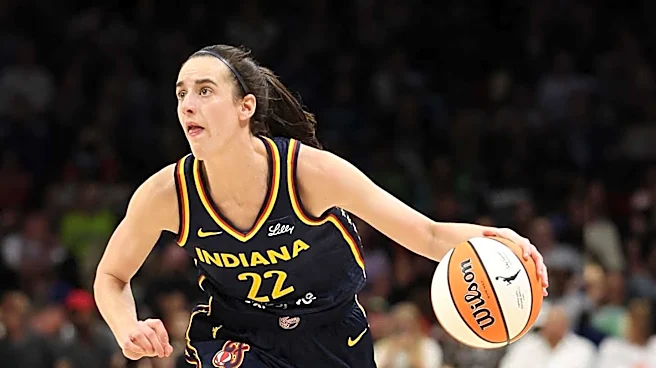
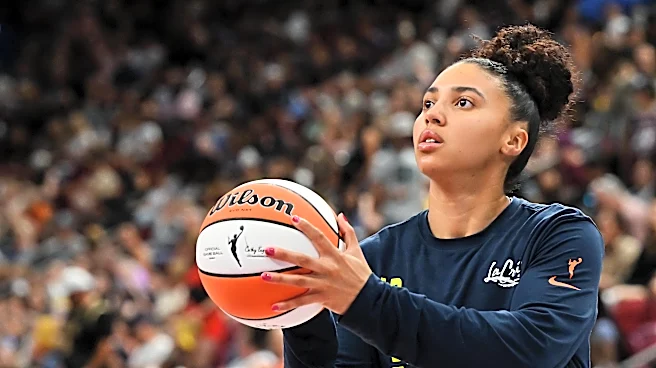
Caitlin Clark, a prominent figure in women's basketball, is at the center of a controversy following a column by Nancy Armour in USA Today. The article criticized Clark's playing style, suggesting it creates a hostile environment for Black and queer athletes
and likened her situation to that of Emmett Till. This comparison and the overall tone of the column have sparked significant backlash. Conservative activist Riley Gaines has publicly urged Clark to sue USA Today and Armour, arguing that the piece unfairly targets Clark and misrepresents her influence in the sport. Gaines, a former NCAA swimmer and current Fox News host, has been vocal in defending Clark, emphasizing her talent and impact on women's sports. The situation has drawn attention from political figures, with 11 Republican lawmakers addressing the WNBA Commissioner about the treatment of Clark on the court.
Why It's Important?
This controversy highlights the intersection of sports, media, and politics, illustrating how athletes can become focal points in broader societal debates. The column's implications about race and gender dynamics in sports have sparked discussions about media responsibility and the portrayal of athletes. The potential legal action suggested by Gaines could set a precedent for how athletes respond to media criticism, particularly when it involves sensitive social issues. The involvement of political figures underscores the growing politicization of sports, where athletes' actions and the media's portrayal of them can have significant cultural and political ramifications.
What's Next?
If Caitlin Clark decides to pursue legal action, it could lead to a high-profile court case that examines the boundaries of media commentary and athlete rights. The response from the WNBA and its handling of the situation will be closely watched, as it may influence how sports organizations address similar controversies in the future. The political interest in the case suggests that further governmental scrutiny could occur, potentially involving investigations by agencies like the Department of Justice. The outcome of these developments could impact how athletes are protected from media narratives and how sports leagues manage public relations crises.