






What's Happening?
Roomex, a business travel platform, has significantly expanded its offerings by adding over 172,000 self-catering properties to its booking platform. This new inventory, which includes apartments, houses, and other unique stays, complements its existing
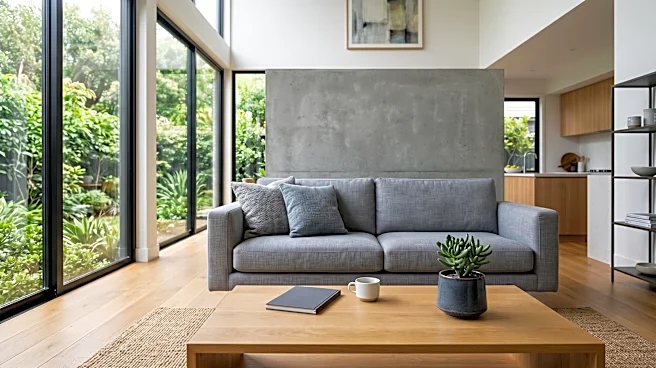
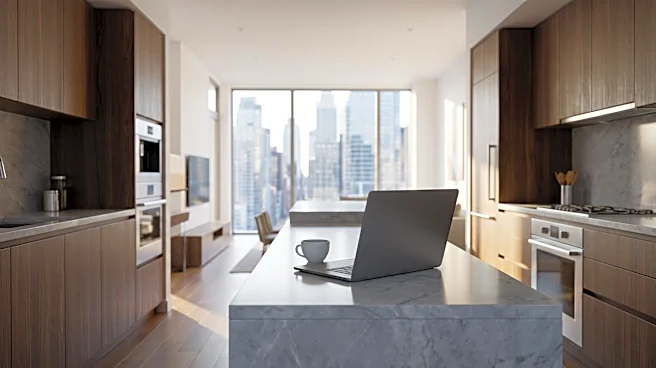
two million hotels and bed and breakfast accommodations. The expansion aims to provide businesses with greater flexibility and cost control for workforce travel, particularly for employees on longer assignments. According to Roomex research, 80% of workers across various sectors report regularly paying for work travel costs out of their own pockets. Self-catering options can help reduce these out-of-pocket expenses by allowing travelers to cook their own meals, thereby decreasing reliance on restaurants and room service. Keith Watson, President at Roomex, emphasized that workforce travel is not one-size-fits-all, and self-catering properties offer more space, cooking facilities, and a routine that feels closer to home for extended stays.
Why It's Important?
This move by Roomex is significant for the U.S. business travel industry as it directly addresses key trends of heightened desires for cost control and flexibility among companies. By offering a wider range of accommodation types, businesses can better match lodging to the specific needs of each trip, project requirements, and budget, potentially leading to substantial savings on subsistence costs. For employees, the availability of self-catering options can improve their well-being during long assignments by providing a more comfortable and 'homely' environment, which can positively impact productivity and morale. The ability to reduce out-of-pocket expenses for employees also fosters better financial management and satisfaction. This expansion reflects an adaptation by travel platforms to evolving workforce needs and a recognition that traditional hotel stays may not always be the most practical or cost-effective solution for all business travel scenarios.
What's Next?
The increased availability of self-catering properties on platforms like Roomex is likely to drive further adoption of such accommodations for business travel, especially for projects spanning weeks or months. This could lead to a shift in booking patterns, with companies increasingly opting for self-catering options over traditional hotels for certain types of trips. Other business travel platforms may follow suit, expanding their own inventories to remain competitive. The trend also suggests a continued focus on employee well-being and cost efficiency in corporate travel policies. Businesses will likely continue to evaluate and refine their travel programs to leverage these flexible options, potentially leading to more tailored accommodation solutions based on trip duration, team size, and specific project needs. The long-term impact could be a more diversified and adaptable business travel ecosystem.
Beyond the Headlines
The integration of self-catering properties into business travel platforms signifies a broader evolution in the perception of corporate lodging, moving beyond mere accommodation to a more holistic view of employee experience and operational efficiency. It highlights a growing recognition that the lines between work and personal life are blurring, and providing amenities that support a 'home-away-from-home' environment can be crucial for employee retention and satisfaction. This shift also underscores the increasing importance of data-driven decisions in business travel, as companies seek to optimize spending while ensuring employee comfort. Furthermore, it could influence urban planning and property development, with a potential increase in demand for short-term rental units designed to cater specifically to the needs of business travelers, offering more than just a bed but a fully functional living space.