






What's Happening?
The African Development Bank (AfDB) and Pan-African infrastructure group AXIAN have initiated a digital finance program aimed at supporting 34,000 women-led micro, small, and medium-sized enterprises (MSMEs) across five African countries: Madagascar,
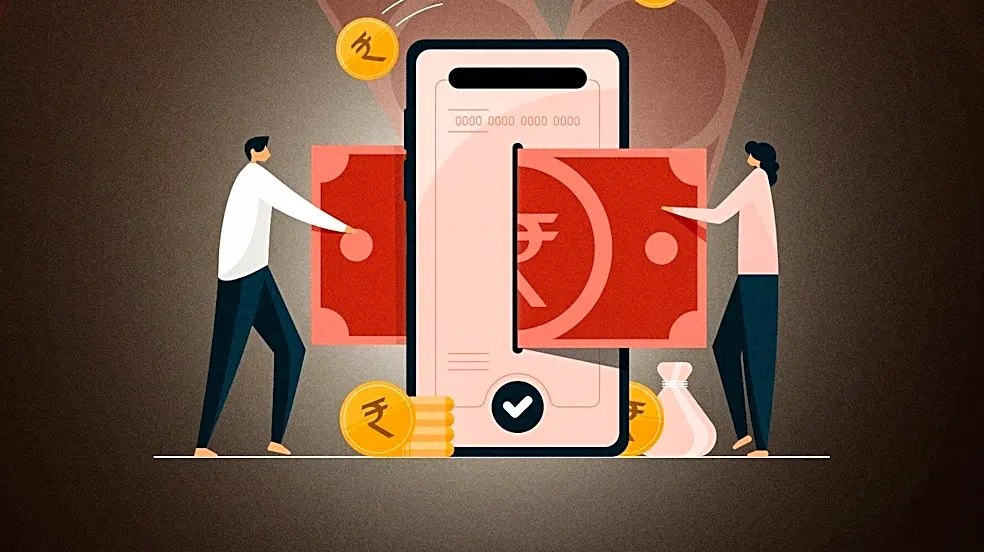
Tanzania, Senegal, Togo, and Comoros. This initiative, supported by the AfDB’s Affirmative Finance Action for Women in Africa (AFAWA) program and the Women Entrepreneurs Finance Initiative (We-Fi), seeks to enhance access to financing, digital financial products, and business development opportunities for women entrepreneurs. The program will leverage AXIAN’s digital financial services platforms, Mixx and MVola, to provide tailored digital financial products and services to 34,000 women-led MSMEs in Madagascar, Tanzania, and Senegal. Additionally, 25,000 women across all five participating countries will receive financial literacy, digital skills, and entrepreneurship training. This effort addresses the challenges women entrepreneurs face in accessing formal credit and financial services, such as limited credit histories and insufficient collateral.
Why It's Important?
This program is important because it directly tackles significant barriers to economic empowerment for women entrepreneurs in Africa. By combining financial inclusion with practical business development support, it moves beyond mere credit provision to foster sustainable growth for women-led MSMEs. The use of digital financial technology, including mobile money services, digital lending, and alternative credit assessment tools, is crucial for reaching underserved entrepreneurs who may not qualify for traditional financing. This approach can help formalize businesses, improve financial management capabilities, and enable greater participation in the digital economy. The initiative's focus on financial literacy and digital skills training will equip women with the knowledge to effectively manage their businesses and utilize digital tools, thereby strengthening their financial capabilities and contributing to broader economic development in the region. The partnership also highlights the growing role of digital infrastructure in expanding financial services to previously excluded populations.
What's Next?
The program will proceed with the implementation of tailored digital financial products and services through AXIAN’s Mixx and MVola platforms in Madagascar, Tanzania, and Senegal. Concurrently, financial literacy, digital skills, and entrepreneurship training will be delivered to 25,000 women across all five target countries. The initiative aims to continuously monitor the impact of these interventions on the financial capabilities and business growth of women entrepreneurs. Future steps may involve expanding the program to more African countries or developing additional digital financial products based on the insights gained from this initial phase. The success of this program could also serve as a model for other development banks and private sector partners looking to address financial inclusion and gender equality in entrepreneurship across the continent. Continued collaboration between the AfDB and AXIAN is anticipated, building on their existing relationship to further support digital connectivity and financial inclusion initiatives.
Beyond the Headlines
Beyond the immediate financial and training support, this initiative has deeper implications for fostering economic resilience and gender equality in Africa. By empowering women entrepreneurs with access to finance and digital skills, the program contributes to a more inclusive economic landscape, potentially leading to job creation and poverty reduction within communities. The reliance on digital financial technology also signifies a broader shift towards leveraging innovation to overcome traditional infrastructure limitations in developing regions. This approach can help bridge the financial inclusion gap, allowing more individuals to participate in the formal economy. Furthermore, the program underscores the ethical imperative of addressing systemic barriers that disproportionately affect women in business, promoting a more equitable distribution of economic opportunities. The long-term success of such initiatives could inspire policy changes and greater investment in digital infrastructure and women's entrepreneurship across the continent, driving sustainable development and social progress.