





What's Happening?
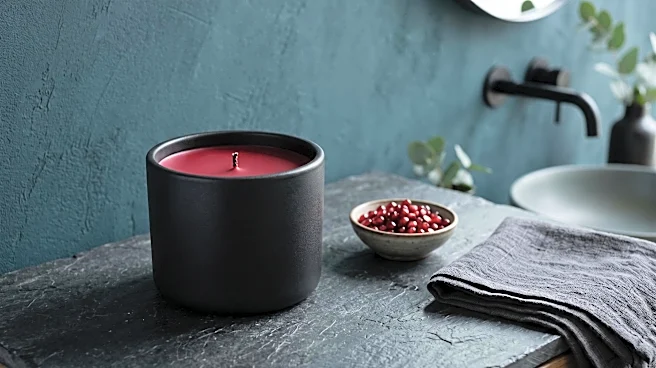
Barry's, a fitness brand, has partnered with fragrance label Snif to launch 'Red Room Glow,' a limited-edition candle that has been diffused in Barry's studios nationwide since October 1. This new signature scent aims to become the second sensory element,
after the red lighting, to define the workout environment. The fragrance is described as having pomegranate as its top note, white patchouli and pink pepper in the middle, and smoky amber woods at the base, designed to mirror the progression of a workout class. While the initiative is primarily focused on enhancing the overall experience and brand association through classical conditioning, Barry's is not claiming that the scent directly improves athletic performance. The scientific understanding of scent's impact on exercise performance is still developing, with existing studies often small and varied in methodology. However, the strong link between smell and memory, due to its direct connection to the brain's limbic system, is a key factor in this marketing strategy.
Why It's Important?
This initiative highlights a growing trend in experiential marketing within the fitness and wellness industry, where brands are increasingly leveraging sensory elements beyond visual and auditory cues to create a more immersive and memorable customer experience. By associating a unique scent with the intense physical activity of a Barry's workout, the brand aims to foster a stronger emotional connection and brand loyalty among its clients. This strategy taps into the well-established scientific principle that smell is powerfully linked to memory and emotion, potentially creating a conditioned response where the scent alone can evoke the mental state associated with working out. For consumers, this means a more holistic and engaging fitness environment, while for businesses, it represents an innovative approach to brand differentiation and customer retention in a competitive market. The success of such sensory branding could influence other industries to explore similar strategies, moving beyond traditional marketing to create deeper, multi-sensory engagements with their audiences.
What's Next?
The introduction of 'Red Room Glow' by Barry's and Snif will likely serve as a case study for how sensory branding, particularly scent marketing, can be integrated into physical spaces to enhance customer experience and brand identity. If successful, other fitness studios and experiential businesses may explore developing their own signature scents or sensory environments. The limited-edition nature of the 'Red Room Glow' candle also suggests a potential future for retail expansion, allowing customers to extend the brand experience into their homes. This could lead to a new revenue stream for Barry's and Snif, and further solidify the brand association. Future research may also delve into the long-term psychological and physiological impacts of such sensory interventions on workout consistency and overall well-being, potentially leading to more scientifically backed applications of scent in performance-oriented environments. The industry will be watching to see if this 'ritual tool' translates into sustained customer engagement and brand growth.
Beyond the Headlines
The deployment of a signature scent in a workout environment like Barry's touches upon deeper implications regarding the commercialization of sensory experiences and the subtle ways brands influence consumer behavior. This strategy moves beyond overt advertising to create an almost subconscious association between a specific scent and a desired emotional or physical state. It raises questions about the ethics of manipulating sensory inputs to encourage certain behaviors, even if the stated goal is to enhance experience rather than directly improve performance. Furthermore, it underscores the increasing sophistication of marketing, where the 'experience economy' is pushing brands to engage all five senses. This trend could lead to a future where every commercial space, from retail stores to public transport, is curated with specific scents, sounds, and textures, fundamentally altering our daily sensory landscape and potentially blurring the lines between natural and engineered environments. The long-term societal impact of such pervasive sensory conditioning remains an area for future consideration.