




What's Happening?
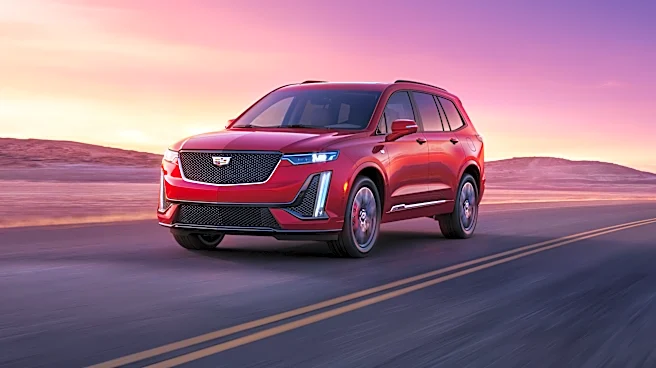
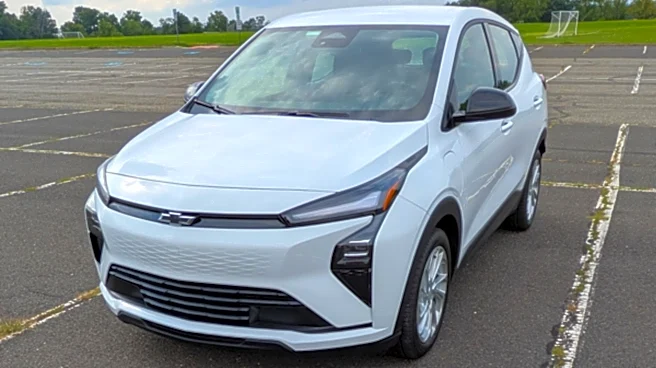
Pacific Gas and Electric (PG&E) and GM Energy have introduced a new incentive package aimed at encouraging PG&E customers to adopt managed electric vehicle (EV) charging. This program targets customers who purchase or lease a new Chevrolet, GMC, or Cadillac
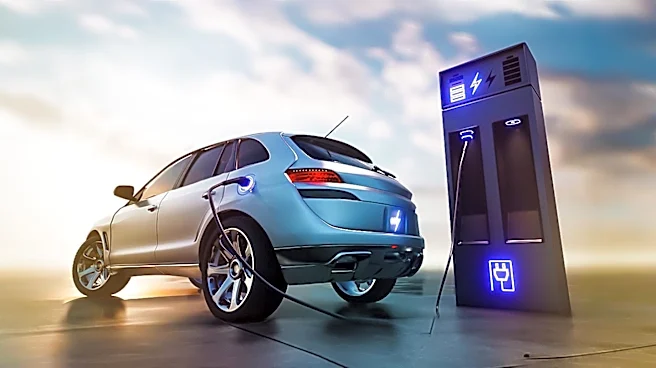
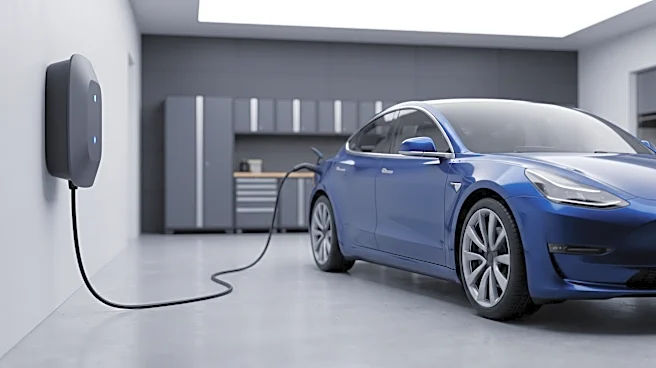
EV and enroll in a managed charging initiative. The 'Smart Charge Bundle,' available at participating dealerships, includes a GM Energy PowerShift or PowerUp 2 home charger at no additional cost. Additionally, customers will receive $15 in monthly bill credits on their PG&E bills after the charger's installation. The PowerUp 2 charger provides standard Level 2 charging, while the PowerShift Charger offers bidirectional charging capabilities when paired with compatible GM Energy equipment and an EV. Through PG&E’s EV Charge Manager program, participants can earn an additional $15 monthly bill credit and potentially save up to $50 per month by scheduling EV charging during off-peak hours when electricity costs and demand are lower. WeaveGrid supplies the grid orchestration software that optimizes charging schedules to prevent strain on the local grid, though customers retain the ability to override managed charging sessions as needed.
Why It's Important?
This collaboration between a major utility and an automotive giant signifies a strategic effort to integrate electric vehicles more seamlessly into the existing power grid while promoting energy efficiency. By incentivizing managed charging, PG&E aims to mitigate potential grid strain that could arise from widespread EV adoption, particularly during peak demand periods. Shifting charging to off-peak hours helps balance the load on the electrical infrastructure, potentially reducing the need for costly grid upgrades and enhancing overall grid stability. For consumers, the program offers tangible financial benefits through free charging equipment and monthly bill credits, making EV ownership more attractive and affordable. This initiative also supports the broader transition to sustainable transportation by encouraging EV adoption and optimizing their energy consumption, contributing to reduced carbon emissions and a more resilient energy system. The involvement of WeaveGrid highlights the growing importance of smart grid technology in managing distributed energy resources like EVs.
What's Next?
The immediate next step for this program involves its rollout and promotion at participating Chevrolet, GMC, and Cadillac dealerships within PG&E's service area. The success of the 'Smart Charge Bundle' will likely be measured by customer enrollment rates and the observed impact on grid load management. If successful, similar partnerships between utilities and EV manufacturers could emerge in other regions, expanding the reach of managed charging programs. PG&E and GM Energy will likely monitor customer feedback and energy consumption data to refine the program and potentially introduce further incentives or technological advancements. The broader trend suggests continued integration of smart charging solutions and vehicle-to-grid (V2G) technologies, which the PowerShift Charger supports, potentially allowing EVs to feed energy back into the grid during times of high demand. This could lead to more dynamic energy management systems and new revenue streams for EV owners.
Beyond the Headlines
This initiative represents more than just an incentive program; it's a step towards a more interconnected and intelligent energy ecosystem. The integration of bidirectional charging technology, offered by the PowerShift Charger, hints at a future where EVs are not just consumers of electricity but also active participants in grid stability. This could transform EVs into mobile energy storage units, providing backup power for homes or feeding surplus energy back to the grid during emergencies or peak demand. Such capabilities could significantly enhance grid resilience and accelerate the adoption of renewable energy sources by providing flexible storage. Furthermore, the partnership underscores the evolving role of utilities, moving beyond simply supplying power to actively managing demand and integrating new technologies. This collaborative model between automotive and energy sectors could set a precedent for future innovations in smart cities and sustainable infrastructure development, blurring the lines between transportation and energy management.