
What's Happening?
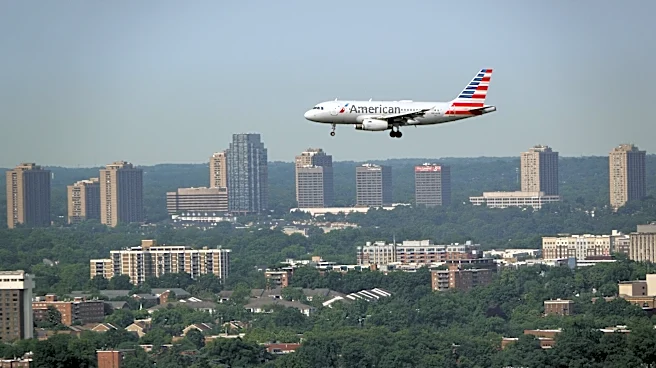
American Airlines has withdrawn its lawsuit challenging Chicago's 2025 decision to reallocate gate space at O'Hare International Airport. This decision comes days after the airline lost an appeal in the case.
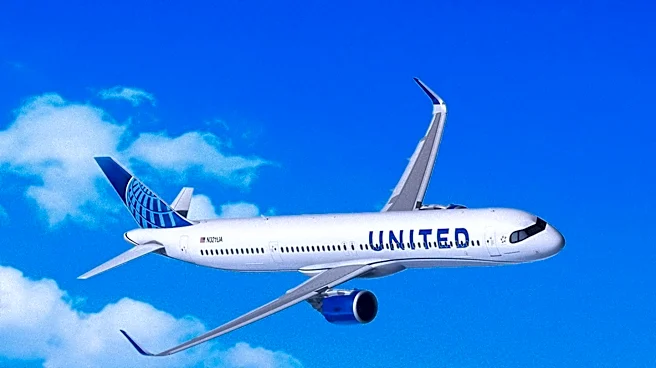
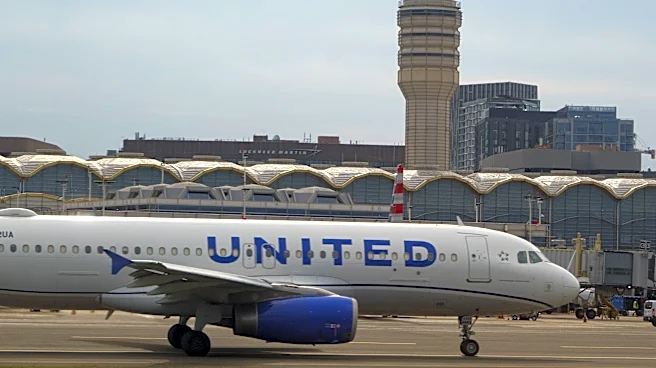
The reallocation, which became effective on October 1, 2025, resulted in American Airlines losing over 500 feet of gate space, equivalent to approximately four narrow-body gates, and operating out of seven fewer gates. Conversely, United Airlines gained about four and a half gates from this change. Despite the setback, American Airlines has since acquired three additional gates at O'Hare: two from Spirit Airlines and one earned through its growth at the airport. A spokesperson for American Airlines stated that the company remains committed to investing in Chicago and advocating for a fair process, emphasizing that dropping the lawsuit is the most effective way to continue delivering on that commitment.
Why It's Important?
This development is significant for the competitive landscape of the U.S. airline industry, particularly at major hubs like Chicago O'Hare. The reallocation of gate space directly impacts an airline's operational capacity, flight scheduling, and ultimately, its market share and profitability at a given airport. For American Airlines, losing gate space could initially hinder its ability to expand services or maintain its current flight volume, potentially ceding ground to competitors like United Airlines. However, the airline's subsequent acquisition of new gates demonstrates its strategic efforts to mitigate these losses and continue its presence in Chicago. This ongoing 'turf war' highlights the intense competition among major carriers for critical airport infrastructure, which is essential for connecting passengers and cargo across the country. The outcome of such disputes can influence ticket prices, flight availability, and passenger convenience in key travel markets.
What's Next?
American Airlines is expected to continue its investment and growth strategies at Chicago O'Hare, focusing on optimizing its newly acquired gate space and existing operations. The airline's spokesperson indicated a commitment to delivering on its promises in Chicago, suggesting that future efforts will likely center on operational efficiency and customer service rather than legal challenges regarding gate allocation. The competitive dynamic between American and United at O'Hare will likely persist, with both airlines vying for market dominance through service offerings, route expansion, and operational improvements. This situation could lead to increased competition for passengers traveling through Chicago, potentially benefiting consumers through more choices or competitive pricing. The broader implications for airport authorities involve managing limited resources and balancing the needs of multiple airline tenants to ensure fair access and efficient operations.
Beyond the Headlines
The dispute over gate space at O'Hare reflects a deeper issue within the U.S. aviation industry: the scarcity of prime airport real estate and the significant leverage it provides to dominant carriers. Gate allocation decisions by airport authorities can profoundly shape an airline's strategic direction and its ability to compete effectively. This case underscores the complex interplay between regulatory bodies, airport management, and private airlines in managing critical national infrastructure. The long-term implications could include a trend towards more aggressive competition for airport resources, potentially leading to further consolidation or strategic alliances among airlines to secure access to key hubs. It also highlights the importance of transparent and equitable processes for allocating such resources to foster a healthy competitive environment and ensure robust air travel options for the public.