






What's Happening?
The purity of gold in jewelry, designated by karats (K), varies significantly, impacting its properties and value. According to be:bel, 24K gold is pure, unalloyed gold. In contrast, 18K gold contains 75.0% pure gold, and 14K gold contains 58.5% pure gold, with
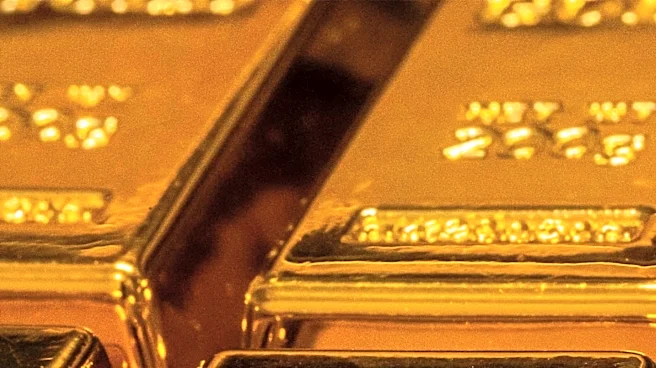
the remainder composed of alloy metals like silver, copper, and zinc. These alloys are added to enhance hardness, as pure gold is exceptionally ductile and malleable, making it soft and prone to bending. The choice of karat affects wearability, color, and resistance to tarnish. For instance, 18K and 14K alloys are harder, offering superior resistance to deformation and scratching, and are often used for intricate stone settings. Pure gold, while having a deep, warm golden luster and being impervious to oxidation, is softer and typically used for items requiring minimal soldering or for investment purposes. The purity standards for pure gold also vary; fine jewelry is often 99.5% pure (995), while gold bars for investment adhere to a 99.99% standard.
Why It's Important?
Understanding gold purity is crucial for U.S. consumers and the jewelry industry, as it directly influences product durability, aesthetic appeal, and resale value. For consumers, knowing the difference between 24K, 18K, and 14K gold helps in making informed purchasing decisions based on their lifestyle and intended use. Jewelry meant for daily wear might benefit from the added hardness of 18K or 14K gold, which resists scratches and deformation better than 24K. This impacts consumer satisfaction and the longevity of their purchases. For the U.S. jewelry market, these distinctions are fundamental to manufacturing processes, pricing strategies, and marketing. The resale value of gold jewelry is determined by its pure gold content, with 24K gold retaining its intrinsic value more effectively than lower karat options, where only the percentage of pure gold is credited. This knowledge empowers consumers to assess the long-term investment potential of their gold purchases and navigate buyback policies more effectively, ensuring they receive fair value.
What's Next?
Consumers are advised to verify the purity standards of gold jewelry, especially for pure gold items, by looking for authentic hologram certifications and ensuring the stated weight of pure gold is honored without deductions for clasps or other components. When considering resale, it is essential to understand buyback policies in advance, as many conventional buyers may deduct refining fees. The ongoing trend in the U.S. market will likely continue to emphasize transparency in gold content and purity, driven by consumer demand for authenticity and value. Jewelers and retailers will need to clearly communicate the differences in karat levels and their implications for durability, appearance, and investment potential. This will involve providing detailed product information and potentially offering educational resources to help consumers make informed choices. The industry may also see a continued focus on ethical sourcing and responsible manufacturing practices, further influencing consumer preferences and market dynamics.
Beyond the Headlines
The discussion of gold purity extends beyond mere material composition, touching upon cultural significance, ethical considerations, and the evolving nature of luxury goods. In many cultures, pure gold holds deep symbolic value, representing wealth, status, and tradition, which influences consumer demand and market trends in the U.S. The ethical dimension of gold sourcing, including concerns about conflict minerals and labor practices, is becoming increasingly important to consumers. This awareness can drive demand for certified, responsibly sourced gold, potentially shifting market preferences towards brands that prioritize transparency and sustainability. Furthermore, the distinction between pure gold and alloys highlights a broader trend in consumer behavior: a growing appreciation for both intrinsic value and practical utility. While pure gold offers enduring asset value, alloyed gold provides versatility and durability for modern lifestyles. This duality challenges the jewelry industry to innovate in design and material science, balancing traditional craftsmanship with contemporary demands for functionality and ethical production. The long-term implications include a more discerning consumer base and a market that values both the tangible and intangible aspects of gold.