








What's Happening?
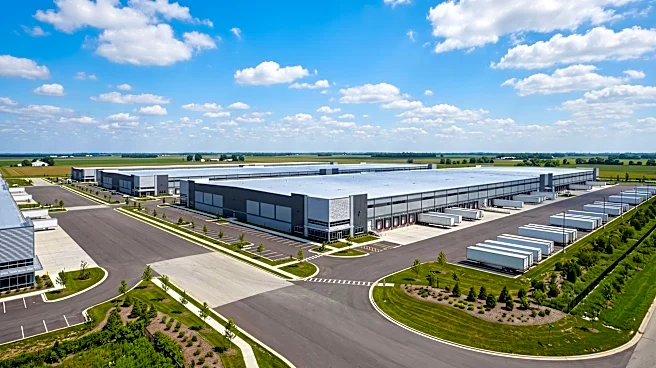
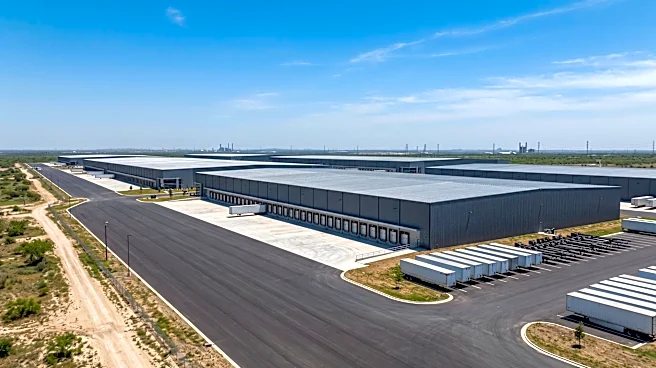
Hunt Realty Investments has established a build-to-suit joint venture with Prologis for the Terrell 20 Business Park, located approximately 30 miles east of Dallas in Terrell, Texas. This partnership aims to develop a significant industrial park on a 780-acre
logistics campus. The site is fully entitled and has the capacity to support up to 11.5 million square feet of total development, including individual buildings as large as 1.9 million square feet. Prologis, recognized for its global platform and expertise in logistics real estate development, will contribute its specialized knowledge to this project. The Terrell 20 Business Park is strategically positioned within a growing logistics and distribution corridor, which has recently attracted major corporations such as Amazon, Walmart, and AutoZone. Its central location provides immediate access to key regional and national transportation networks, including Interstate 20 and Union Pacific’s Dallas Intermodal Terminal, facilitating efficient freight movement across the continental U.S.
Why It's Important?
This joint venture is significant for the U.S. logistics and industrial real estate sectors, particularly in the Dallas-Fort Worth market. The development of the Terrell 20 Business Park will enhance the region's capacity for large-scale logistics operations, catering to companies seeking to establish or expand their presence in North Texas. The involvement of Prologis, a leader in logistics real estate, brings substantial development expertise and a global perspective to the project, which is crucial for attracting major tenants. The park's strategic location, with access to major transportation arteries and freight hubs, is vital for supply chain efficiency, allowing businesses to reach a vast consumer base quickly. This development is expected to boost economic development in the area by increasing its visibility among site selectors, brokers, and industry leaders, potentially leading to further investment and job creation. The project underscores the ongoing demand for modern, well-located industrial facilities that can support the evolving needs of global commerce and e-commerce.
What's Next?
The immediate next steps for the joint venture will likely involve the commencement of development activities at the Terrell 20 Business Park. Given the 'build-to-suit' nature of the agreement, the focus will be on attracting and customizing facilities for specific tenants. The partnership will leverage Prologis's global network and Hunt Realty's local market knowledge to secure commitments from companies looking to establish large-scale logistics operations. The project's phased development, with the potential for up to 11.5 million square feet, suggests a long-term commitment to expanding the industrial footprint in the region. Continued monitoring of the logistics and distribution corridor's growth, particularly with the presence of major corporations, will be crucial. The success of this venture could also influence future industrial real estate development trends in other strategic U.S. locations, as companies seek to optimize their supply chains and distribution networks.
Beyond the Headlines
This collaboration between Hunt Realty Investments and Prologis highlights a broader trend in the U.S. real estate market: the increasing specialization and strategic importance of logistics properties. As e-commerce continues to grow and supply chains become more complex, the demand for sophisticated, well-located distribution centers and industrial parks is intensifying. This joint venture exemplifies how established real estate firms are partnering with logistics specialists to meet this demand, creating intelligent infrastructure that supports global commerce. The project also reflects a shift towards developing large-scale, integrated logistics ecosystems that offer not just warehouse space but also access to advanced transportation networks and a skilled labor force. This strategic focus on logistics real estate is critical for national economic resilience, enabling businesses to operate more efficiently, reduce delivery times, and adapt to dynamic market conditions. The long-term implications include potential shifts in regional economic power as logistics hubs become central to national and international trade.