
What's Happening?
PowerCell Group, through its U.S. subsidiary PowerCell Inc., has secured a contract valued at 440 million Swedish kronor (SEK) to supply a 20 MW green hydrogen fuel cell facility in the southern United
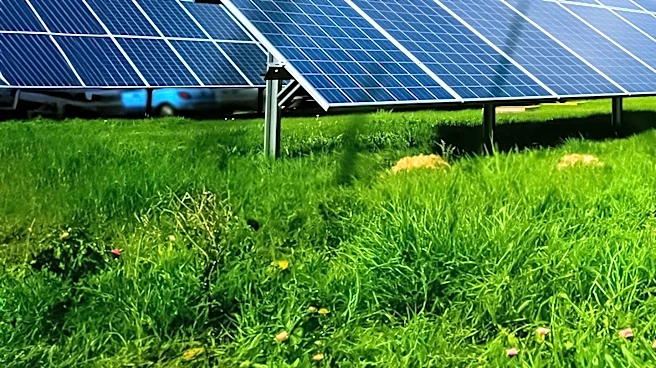
States. The agreement is with an undisclosed electric cooperative. This facility will have an installed capacity of 27 MW and will convert stored green hydrogen into electricity. The system is designed to integrate with the cooperative’s renewable infrastructure, utilizing surplus solar energy to produce green hydrogen via electrolysis. This hydrogen will then be stored and converted back into electricity by proton exchange membrane (PEM) fuel cells when solar production is low or demand increases. The project incorporates PowerCell’s modular PowerPod 3000 platform, which includes PS190 fuel cells, power conversion systems, cooling equipment, and control technology, along with Energy Orchestration capabilities. A notable feature of the system is the planned recovery of water generated by the PEM fuel cells for potential reuse within the energy infrastructure. Equipment delivery is anticipated within 18 to 24 months.
Why It's Important?
This project signifies a significant advancement in long-duration energy storage and renewable energy integration within the U.S. power grid. By converting surplus solar energy into green hydrogen and then back into electricity, the facility addresses the intermittency challenges associated with renewable sources like solar power. This capability allows for a more stable and reliable supply of electricity, even during periods of low solar radiation or high demand, which is crucial for grid stability and energy security. The integration of water recovery from the fuel cells also highlights a commitment to resource efficiency, particularly relevant in regions where water availability is a concern. For PowerCell, this contract expands its presence in the U.S. market for stationary power generation, a key business area alongside its marine applications. The success of such projects could pave the way for broader adoption of green hydrogen fuel cell technology as a viable solution for large-scale energy storage and dispatchable renewable power.
What's Next?
PowerCell is expected to deliver the equipment for the 20 MW green hydrogen fuel cell facility within the next 18 to 24 months. Following delivery, the electric cooperative and PowerCell plan to formalize a specific service level agreement before the facility's commissioning. The commissioning of this facility will allow for a comprehensive evaluation of the technology's effectiveness in providing electricity when renewable energy production does not align with peak demand periods. This evaluation will be critical for demonstrating the commercial viability and operational efficiency of large-scale green hydrogen fuel cell systems. The project's success could influence future investments and policy decisions regarding hydrogen infrastructure and renewable energy storage solutions across the U.S., potentially accelerating the transition to a more sustainable energy landscape.
Beyond the Headlines
The deployment of this green hydrogen fuel cell facility represents a deeper shift towards a more resilient and sustainable energy infrastructure. Beyond its immediate impact on energy supply, the project underscores the growing recognition of hydrogen as a critical component in decarbonization efforts, particularly for sectors that are difficult to electrify directly. The ability to store renewable energy in the form of hydrogen and convert it back to electricity on demand offers a pathway to overcome the limitations of traditional battery storage, which typically has shorter discharge durations. This development could also stimulate innovation in hydrogen production, storage, and utilization technologies, fostering a new segment of the green economy. Furthermore, the emphasis on water recovery from the fuel cells highlights an integrated approach to sustainability, addressing not only energy but also water resource management, which is increasingly vital in the face of climate change and growing environmental concerns.