








What's Happening?
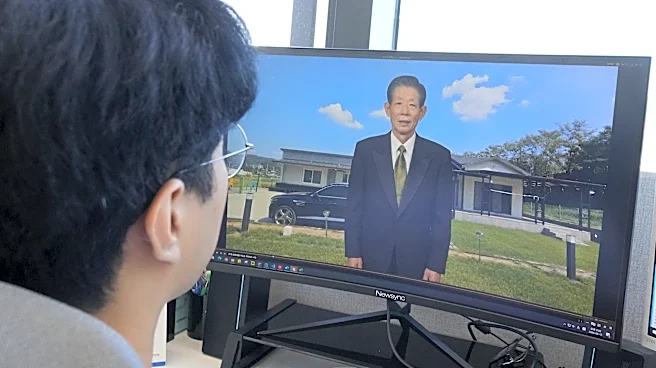
In South Korea, a growing number of people are turning to AI technology to create video recreations of deceased loved ones. Companies like Vaice are offering services that use AI to generate digital likenesses of the deceased, allowing them to deliver
personalized messages. This practice is gaining popularity as it provides comfort to grieving families, although it also raises ethical and psychological concerns. The process involves using photos and voice samples to create a video, which is often used during family gatherings or memorials. While some find solace in these digital recreations, others worry about the potential for emotional harm and the ethical implications of simulating the dead.
Why It's Important?
The use of AI in creating digital likenesses of deceased individuals highlights the intersection of technology and human emotion. This development has significant implications for how society deals with grief and memory. On one hand, it offers a new way for people to connect with lost loved ones, potentially easing the grieving process. On the other hand, it raises questions about the ethical use of AI, the potential for emotional dependency, and the need for legal frameworks to protect the rights of the deceased. As this technology becomes more widespread, it could fundamentally change cultural practices around mourning and remembrance.
What's Next?
As AI technology continues to advance, the capabilities of these digital recreations are likely to expand, potentially leading to more interactive experiences, such as 'griefbots' that simulate conversations with the deceased. This could further complicate the ethical landscape, necessitating new regulations and guidelines to address the rights of the deceased and the emotional well-being of the bereaved. Companies offering these services may need to navigate these challenges carefully to ensure they provide comfort without causing harm.
Beyond the Headlines
The emergence of AI-generated digital likenesses of deceased individuals could lead to broader cultural shifts in how societies perceive death and mourning. It may challenge traditional notions of closure and acceptance, as the ability to 'interact' with the deceased could blur the lines between reality and virtual experiences. This technology also raises questions about consent and the commercialization of personal memories, prompting discussions about the ethical boundaries of AI in personal and emotional contexts.