


What's Happening?
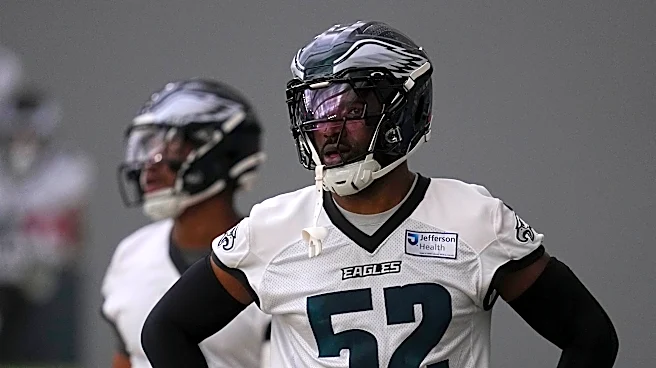
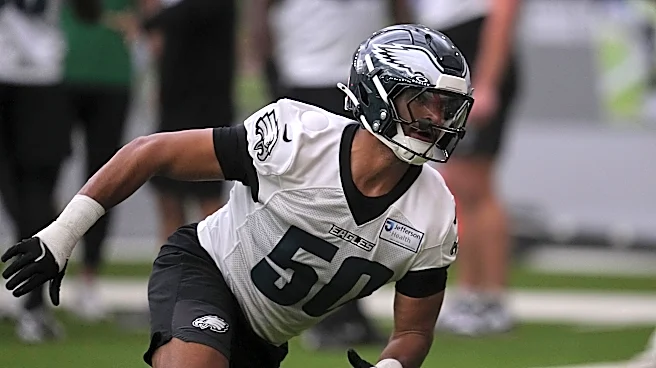
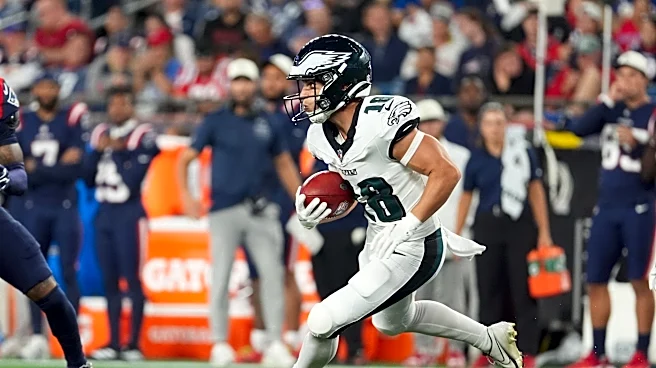
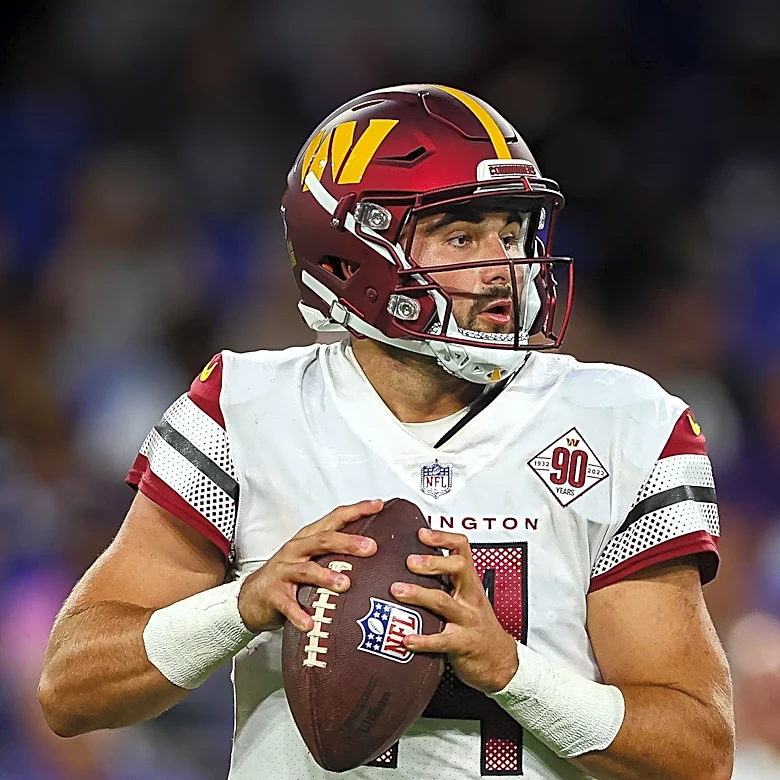
The Philadelphia Eagles have announced several jersey number changes for players on their active roster, injured reserve, and practice squad following recent NFL roster adjustments. Quarterback Cole Payton, previously sharing No. 10 with punter Braden
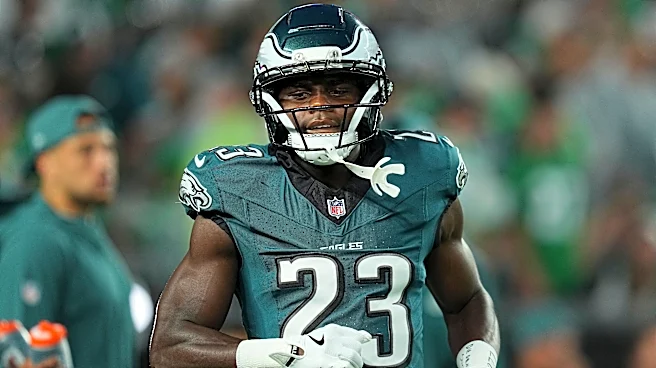
Mann, has switched to No. 18. Cornerback Jonathan Jones has reverted to his long-standing No. 31. Long snapper Rocco Underwood changed from No. 37 to No. 41. On injured reserve, safety Andre’ Sam moved from No. 31 to No. 32. New practice squad additions and changes include running back Jaydon Blue to No. 30, cornerback Robert Longerbeam to No. 38, edge rusher Mason Reiger to No. 43, offensive lineman Kiran Amegadjie to No. 73, and wide receiver Britain Covey from No. 18 to No. 85. These changes are standard procedure as teams finalize their rosters for the regular season, where duplicate numbers are not permitted.
Why It's Important?
These jersey number changes, while seemingly minor, are significant for several reasons within the professional sports landscape. For players, a jersey number can carry personal meaning, historical significance, or even impact marketability. For example, Cole Payton's move to No. 18, famously worn by Peyton Manning, could symbolically elevate his profile. For fans, jersey numbers are integral to player identification and merchandise sales. A player changing numbers can lead to new merchandise purchases or, conversely, make existing merchandise featuring old numbers less desirable. From an operational standpoint, these adjustments reflect the finalization of the team's roster and practice squad, indicating which players have secured their spots and are preparing for the upcoming season. The movement of numbers also highlights the competitive nature of roster spots, as some players are forced to change due to higher-ranking teammates or new acquisitions.
What's Next?
With these jersey number assignments largely settled, the Philadelphia Eagles will now focus entirely on their preparations for the upcoming NFL season. Players will continue to train and integrate into their roles with their new numbers. Fans can expect to see these updated numbers reflected in official team merchandise and during games. Further changes are unlikely unless there are significant roster moves, such as new player acquisitions or unexpected cuts, which could free up or necessitate new number assignments. The team's coaching staff will be evaluating player performance in their designated roles, with these number changes serving as a visual representation of the finalized roster structure heading into competitive play.
Beyond the Headlines
Beyond the immediate practicalities, jersey numbers in professional sports often carry a deeper cultural and psychological weight. For some players, inheriting a number previously worn by a legendary figure can be a source of inspiration or pressure. For others, choosing a unique number can help establish their individual brand. The process of assigning and changing numbers also subtly reflects team hierarchy and player status, with more prominent or veteran players often having priority. The Eagles' number changes, particularly for younger or practice squad players, underscore the transient nature of early career professional sports, where even a jersey number can be subject to frequent alteration until a player establishes a more permanent role. This dynamic contributes to the ongoing narrative and identity of both individual players and the team as a whole.