








What's Happening?
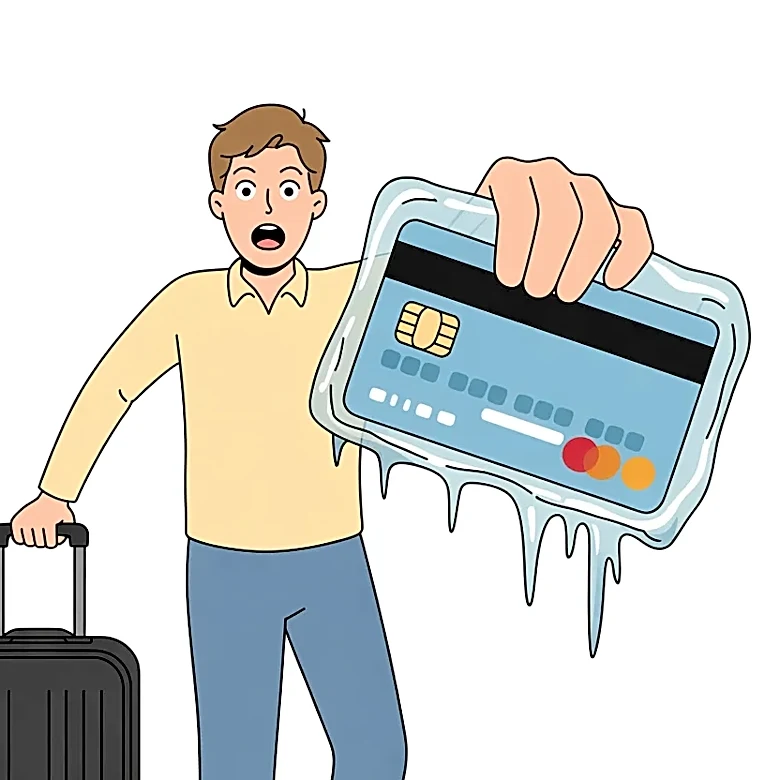
Many credit cards provide travel insurance benefits, which can include coverage for trip cancellation and interruption, trip delays, baggage delays or loss, rental car coverage, and travel accident insurance. These benefits can save cardholders from purchasing
separate insurance policies. However, the scope of this coverage is often more restrictive than standalone travel insurance. For instance, credit card insurance typically only covers cancellations due to specific events like severe weather or illness, and frequently excludes pre-existing medical conditions or changes in personal travel plans. Cardholders must often use the specific credit card to book travel expenses for the insurance to apply, and it's crucial to review the card's benefits guide or contact the issuer to understand the exact terms, limitations, and claim procedures. The coverage limits and exclusions can vary significantly between different credit cards.
Why It's Important?
The availability of travel insurance through credit cards has significant implications for U.S. consumers and the travel insurance industry. For consumers, understanding these benefits can lead to cost savings by avoiding redundant insurance purchases. However, relying solely on credit card insurance without fully understanding its limitations could leave travelers exposed to substantial financial risks, especially for international trips or those involving pre-existing medical conditions, as many credit cards do not offer comprehensive emergency medical or medical evacuation benefits. This situation underscores the importance of due diligence for travelers to compare their credit card's offerings with standalone policies. For the travel insurance industry, the presence of credit card benefits creates a competitive landscape, pushing standalone providers to highlight their broader coverage and specialized options, such as those for pre-existing conditions, to justify their separate cost.
What's Next?
Travelers are advised to thoroughly review their credit card's benefits guide or contact their card issuer before booking any travel to ascertain the extent of their existing travel insurance coverage. This includes understanding the specific events covered, reimbursement limits, exclusions (such as pre-existing medical conditions), and any requirements for booking travel with the card. If the credit card's coverage is deemed insufficient, particularly for expensive international trips or those with significant non-refundable expenses, consumers should consider purchasing a standalone travel insurance policy. This proactive approach will help ensure adequate protection against unforeseen disruptions and medical emergencies, preventing potential financial losses. The ongoing trend suggests a continued need for consumers to be well-informed about their insurance options to make judicious decisions.
Beyond the Headlines
The nuanced differences between credit card travel insurance and standalone policies highlight a broader issue of consumer awareness regarding financial product benefits. Many consumers may be unaware of the specific protections their credit cards offer, or they might overestimate the comprehensiveness of these benefits. This lack of clarity can lead to a false sense of security, potentially resulting in significant financial burdens during unexpected travel incidents. The situation also points to the evolving role of credit card companies, which increasingly bundle value-added services beyond traditional credit, blurring the lines between financial products and insurance providers. This trend necessitates greater transparency from issuers and a more proactive approach from consumers to understand the full scope of their financial agreements, ensuring they are adequately protected for various life events, including travel.