




What's Happening?
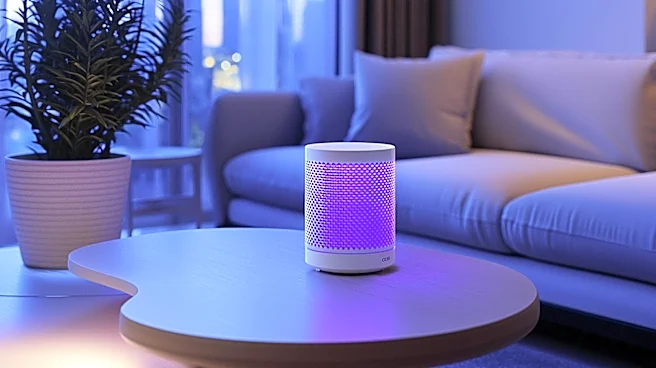
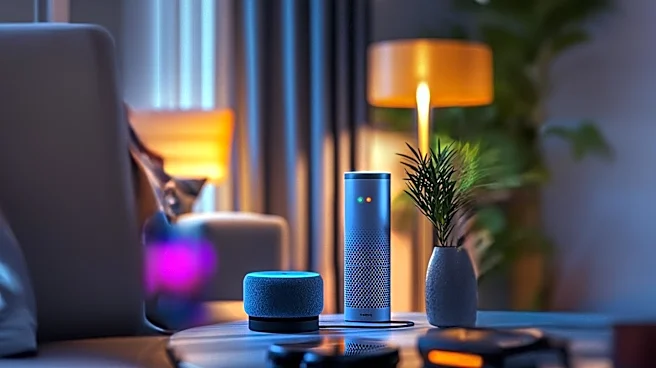
The market for smart ambient lighting is rapidly expanding, offering homeowners advanced ways to customize their living spaces. These lighting systems, often in the form of LED strips, light panels, or smart bulbs, allow users to adjust color and brightness
via smartphone apps or voice assistants. Key features include RGB and RGBIC technology, with RGBIC enabling multiple colors to be displayed simultaneously on a single strip for dynamic effects. Products like the Philips Hue Essential LED Strip and Govee Glide Hexa Light Panels exemplify this trend, offering flexible installation, broad compatibility, and unique visual effects. Smart ambient lighting is moving beyond basic illumination to create specific moods and support various activities throughout the day, from bright, focused light for productivity to softer, warmer tones for relaxation. This technology integrates seamlessly with existing smart home ecosystems, enhancing comfort and convenience.
Why It's Important?
The evolution of smart ambient lighting signifies a significant shift in how U.S. consumers interact with their home environments. This technology is not merely about aesthetics; it profoundly impacts comfort, mood, productivity, and relaxation. By allowing dynamic control over lighting, it enables homes to adapt to changing activities and lifestyles, moving beyond static, single-purpose lighting. For industries, this trend drives innovation in smart home technology, creating new markets for manufacturers of LED products, control systems, and integrated platforms. Homeowners stand to gain improved well-being through personalized lighting that can support circadian rhythms, enhance focus, or create a relaxing atmosphere. The integration of lighting with other smart home features, such as sound and scent, is creating a holistic approach to home design, where technology serves to improve daily life rather than just adding complexity. This also presents opportunities for interior designers and technology professionals to collaborate on comprehensive solutions that address homeowners' underlying needs for comfort and functionality.
What's Next?
The future of smart ambient lighting will likely see further integration with artificial intelligence and advanced sensor technology, allowing for more intuitive and automated adjustments based on occupancy, natural light levels, and even user biometric data. Compatibility across different smart home ecosystems is expected to improve, with standards like Matter facilitating seamless connectivity. Manufacturers will continue to innovate with new form factors and visual effects, pushing the boundaries of how light can be used as both a functional and artistic element in the home. We can anticipate a greater emphasis on wellness-oriented lighting solutions, such as those that mimic natural daylight cycles to support sleep and overall health. The collaboration between interior designers, architects, and technology integrators will become even more crucial to deliver integrated solutions that meet the evolving demands of homeowners for personalized and adaptive living spaces.
Beyond the Headlines
Beyond the immediate benefits of convenience and aesthetics, the widespread adoption of smart ambient lighting has deeper implications for our relationship with technology and our living spaces. It highlights a growing desire for personalized environments that cater to individual well-being and mood. This trend blurs the lines between functional utility and emotional experience, transforming lighting from a mere necessity into a tool for self-expression and mood regulation. Ethically, as these systems become more sophisticated and collect data on user habits, questions around data privacy and security may arise. Culturally, it reflects a broader societal shift towards 'smart' living, where technology is seamlessly woven into the fabric of daily life, often operating in the background to enhance comfort and efficiency. The long-term impact could include a redefinition of home design, where dynamic and adaptive elements are prioritized over static structures, fostering environments that are not only beautiful but also responsive to human needs.