



What's Happening?
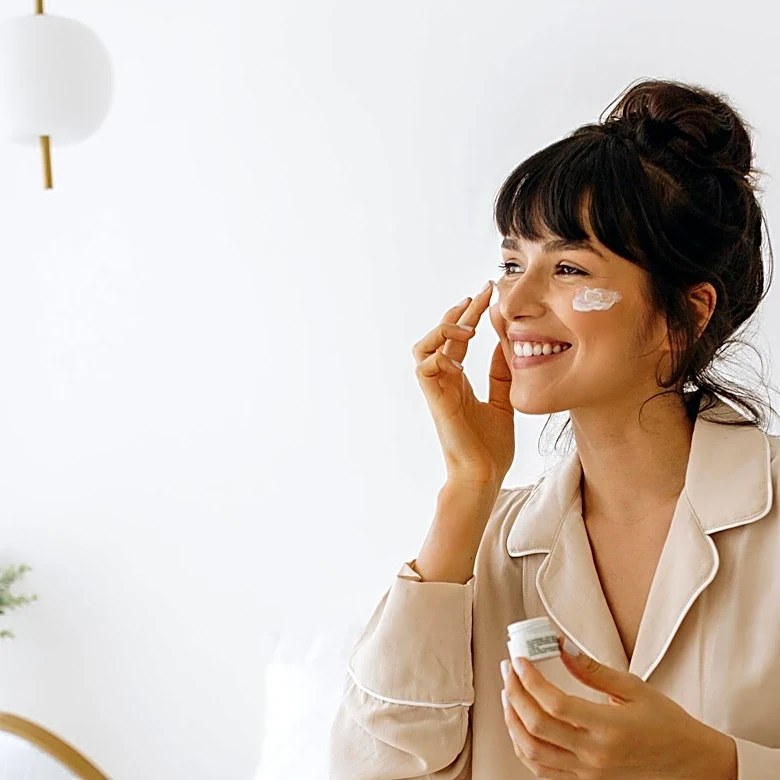
The term 'stem cell' on cosmetic eye serum labels often refers to extracts or derivatives from cultured plant cells, not living human stem cells. These products typically contain ingredients like plant stem-cell extract, conditioned media, or peptides,
which are not viable living cells. Independent scientific reviews indicate that cosmetic products generally use extracts or derivatives because living cells cannot remain viable through cosmetic processing and preservatives. The size and rigid cell walls of plant cells also prevent them from functioning as transplanted cells in human skin. Consumers often misunderstand 'stem cell' to imply living human tissue or medical effects, leading to confusion about the product's actual capabilities. The cosmetic industry's use of such terminology can be inconsistent, and clinical evidence for these products is often limited, focusing on short-term visible effects rather than tissue regeneration.
Why It's Important?
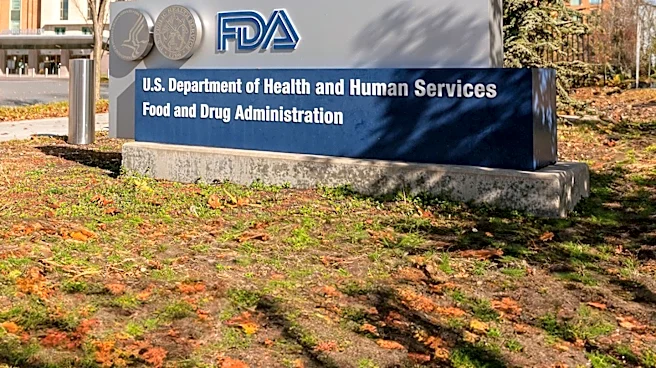
The widespread use of 'stem cell' terminology in the U.S. cosmetic market, despite a lack of a clear legal definition for 'clean' or 'stem cell' in this context, creates significant consumer confusion. This ambiguity can lead to unrealistic expectations about product efficacy, as consumers may believe they are purchasing products with regenerative medical benefits rather than cosmetic appearance enhancements. The distinction between cosmetic claims (e.g., making wrinkles look less noticeable) and drug or medical-device claims (e.g., removing wrinkles, increasing collagen production) is crucial, as cosmetics do not require premarket approval from the FDA, unlike drugs. This regulatory difference means that products making more profound claims about skin structure or function might be operating outside their designated category, potentially misleading consumers and impacting market transparency. The rapid growth of the 'clean beauty' market, projected to increase by 12 percent through 2030, underscores the need for greater clarity and evidence-based communication from brands to meet consumer demand responsibly.
What's Next?
Consumers are advised to scrutinize product labels beyond marketing terms like 'stem cell' and focus on specific ingredients and evidence-backed claims. The FDA recommends using cosmetics near the eyes only if specifically intended for that use, emphasizing that terms like 'plant' or 'natural' do not guarantee ocular safety. Patch testing new products on a small skin area before full application is also recommended. For any persistent irritation or vision changes, medical advice should be sought. The industry may face increasing pressure for greater transparency and standardized terminology, especially as consumer awareness about ingredient efficacy and safety grows. Brands are encouraged to provide clear, evidence-based information about their products' effects, distinguishing between cosmetic benefits and medical treatments to build consumer trust and ensure responsible innovation in the rapidly expanding beauty market.
Beyond the Headlines
The 'stem cell' beauty trend highlights a broader ethical and regulatory challenge within the U.S. cosmetic industry: the fine line between marketing language and scientific accuracy. While brands aim to attract consumers with innovative ingredients, the lack of a universal definition for terms like 'clean' or 'stem cell' allows for marketing claims that may not align with the product's actual biological function. This situation raises questions about consumer protection and the responsibility of manufacturers to educate rather than merely persuade. The reliance on consumer perception data rather than controlled clinical measurements for some product claims further complicates the landscape. Ultimately, this trend reflects a societal desire for youth and regeneration, which the beauty industry taps into, but it also underscores the need for a more robust framework that ensures product claims are both appealing and truthful, fostering a more informed and discerning consumer base.