



What's Happening?
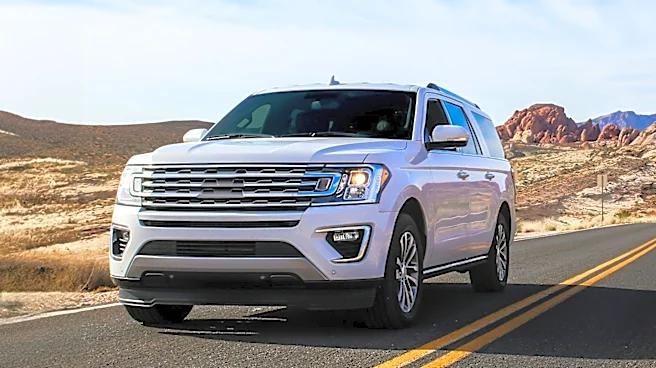
Ford has rehired 350 veteran engineers after automated systems failed to catch design and quality defects, a move that has prompted HR leaders to reconsider how AI-driven layoffs are decided. This trend, dubbed the 'AI boomerang,' is not unique to Ford,
as research shows that many companies have had to rehire positions eliminated due to AI implementation. The decision to rehire highlights the limitations of AI in replacing experienced human workers, particularly in roles requiring nuanced judgment and expertise.
Why It's Important?
The rehiring trend underscores the challenges companies face in balancing AI integration with human expertise. While AI can offer cost savings and efficiency, it may not fully replace the value of experienced employees, leading to potential operational setbacks. This situation prompts a reevaluation of workforce strategies, emphasizing the need for a more nuanced approach to AI adoption that considers the retention of critical human skills. The financial implications are significant, as rehiring can be costly and may affect a company's bottom line.
What's Next?
Companies may begin to adopt more strategic workforce planning that integrates AI with human roles, rather than viewing AI as a wholesale replacement. This could involve reskilling employees for new roles that complement AI capabilities. Additionally, businesses might develop more robust criteria for determining which roles can be automated and which require human oversight. The trend could also lead to increased transparency and communication with employees about the impact of AI on their roles, fostering a more collaborative approach to technological change.