

What's Happening?
Interior designers are emphasizing the psychological impact of home aesthetics, advocating for 'dopamine decor' to create calmer and happier living spaces. Tracee Murphy, founder of Trade Mark Interiors, highlights that design is deeply psychological and influences
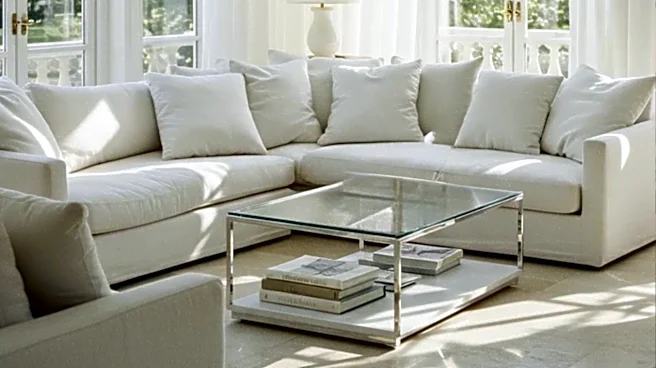
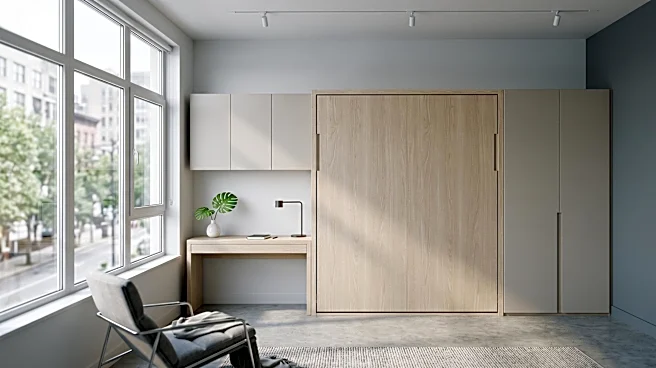
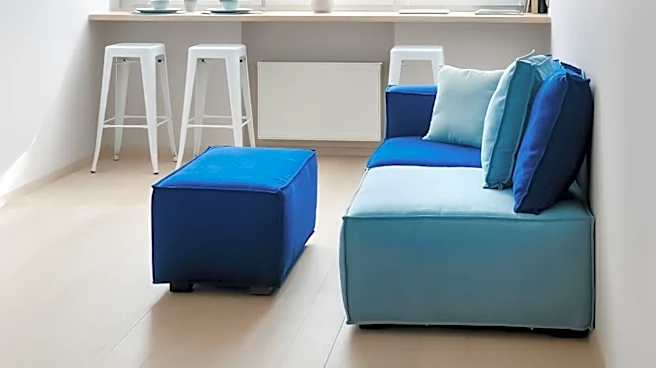
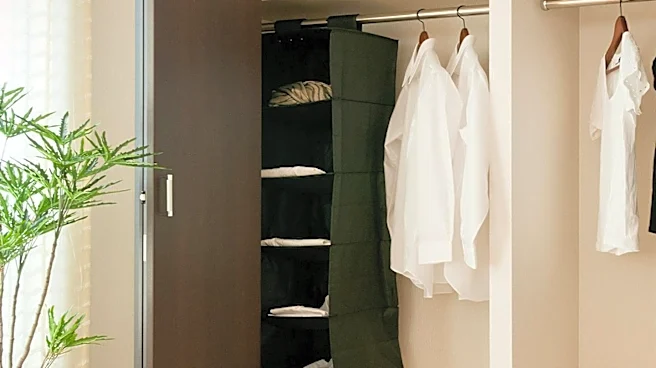
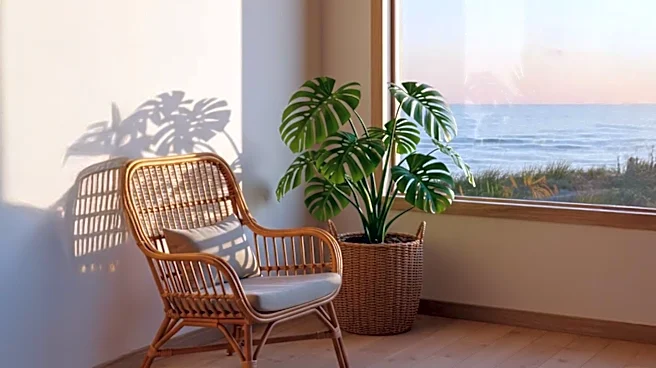
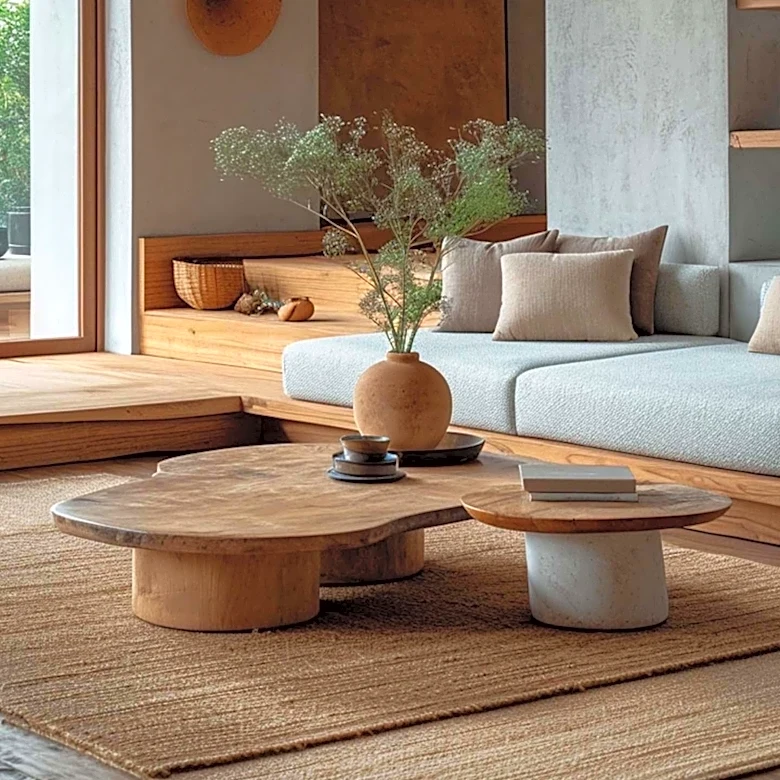
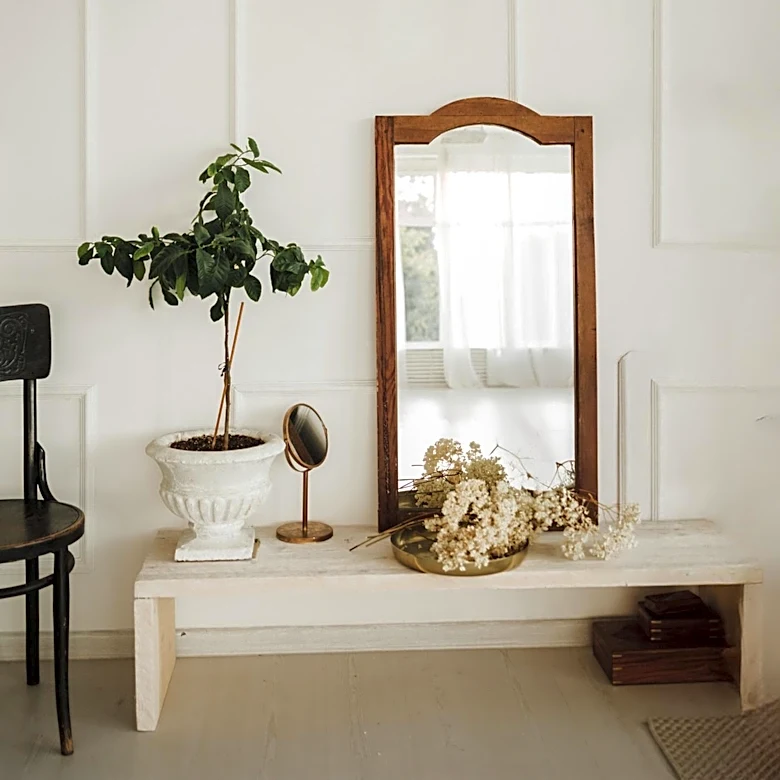
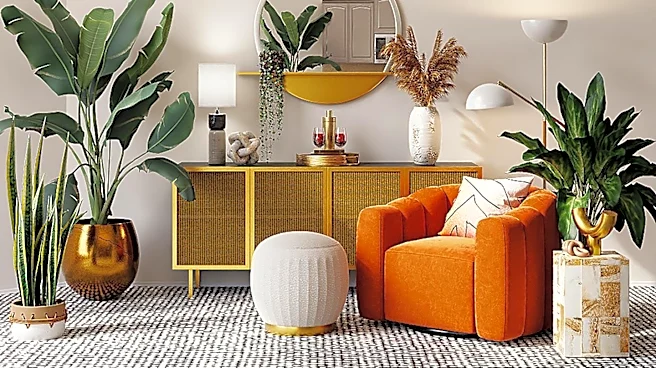
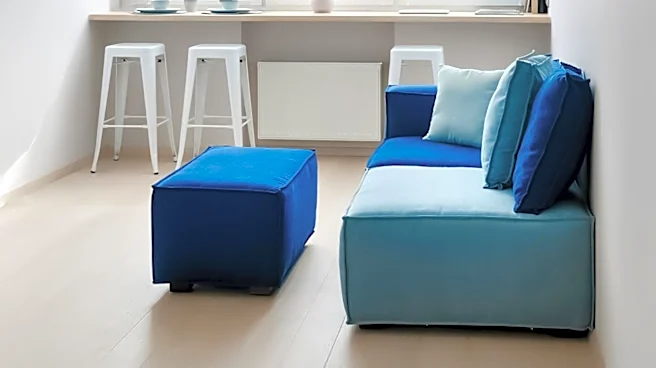
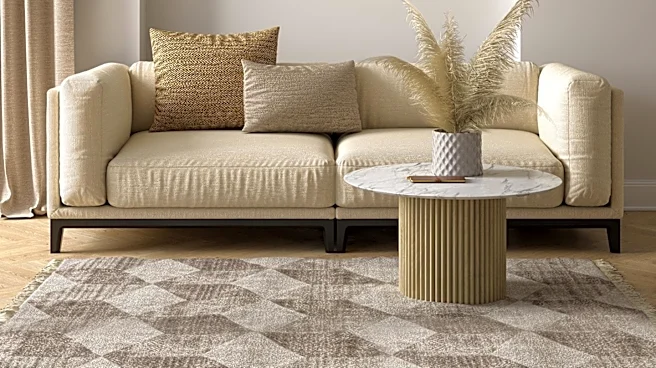
how individuals feel. While dopamine decor is highly individual, certain universal principles can foster tranquility. Key recommendations include using warm, layered lighting from multiple sources with dimmers, rather than relying on single, harsh overhead lights. Designers also suggest incorporating calmer base colors and introducing vibrant elements through textiles and accent pieces. Reducing clutter, which can act as 'visual pollution,' is another crucial step to enhance a home's sense of tranquility. Mariette Barsoum, co-founder of Divine Design Center, reinforces the importance of adjustable lighting and creating visual resting points in rooms with many objects.
Why It's Important?
The focus on 'dopamine decor' and creating calmer home environments reflects a growing societal emphasis on well-being and mental health, particularly in the U.S. where individuals are increasingly seeking antidotes to daily stressors. This trend impacts the interior design industry, shifting consumer demand towards designs that prioritize comfort, tranquility, and personalized emotional responses over purely aesthetic trends. For homeowners, adopting these principles can lead to improved mental and physical health by transforming living spaces into havens for decompression. Businesses in home furnishings, lighting, and decor stand to gain from this shift, as consumers invest in products that support a calmer atmosphere. Conversely, those who fail to adapt to this demand for psychologically informed design may see reduced market relevance.
What's Next?
The trend towards creating calming and psychologically supportive home environments is likely to continue influencing product development and design services in the U.S. interior design market. Consumers can expect to see more offerings in smart lighting systems that allow for adjustable warmth and intensity, as well as decor items designed to evoke specific emotional responses. Interior designers may increasingly integrate psychological principles and client well-being assessments into their consultations. Educational resources and media content focusing on 'dopamine decor' and mindful home design are also expected to proliferate, empowering more individuals to make intentional changes to their living spaces for improved mental health.
Beyond the Headlines
Beyond immediate design choices, the emphasis on creating calmer rooms touches upon broader cultural shifts regarding personal space and mental well-being. It highlights a growing recognition that our physical surroundings profoundly affect our psychological states, moving beyond mere functionality or superficial aesthetics. This development could lead to a more holistic approach to architecture and urban planning, where the emotional and psychological impact of spaces is considered from the outset. It also underscores a potential long-term shift away from fast-paced, trend-driven consumption in home decor towards more thoughtful, enduring choices that prioritize personal comfort and mental peace. The concept of 'visual pollution' also raises questions about consumerism and the accumulation of possessions, suggesting a move towards minimalism or more curated living.