




What's Happening?
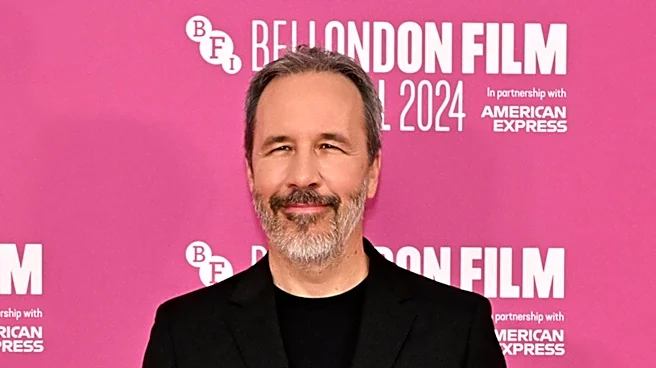
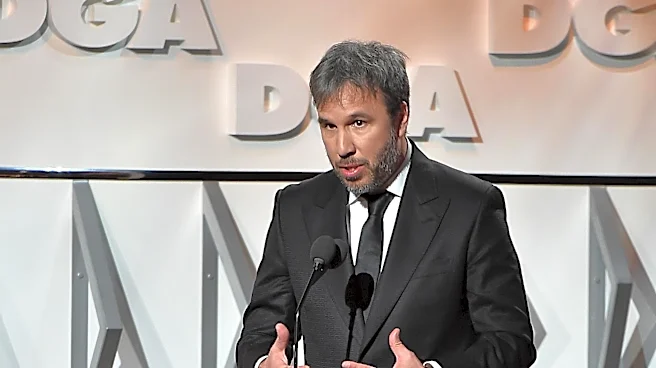
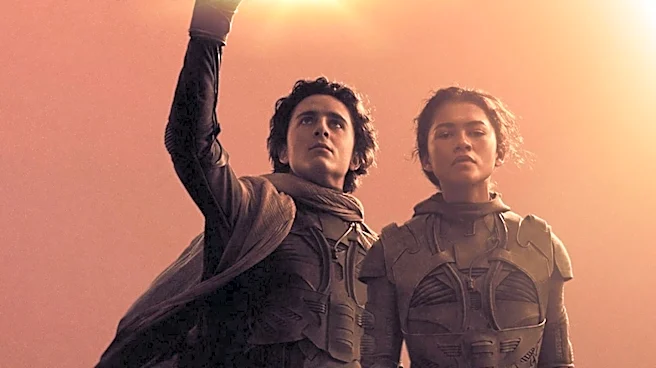
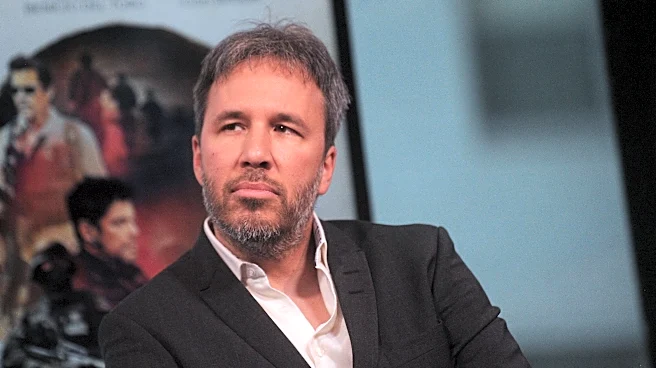
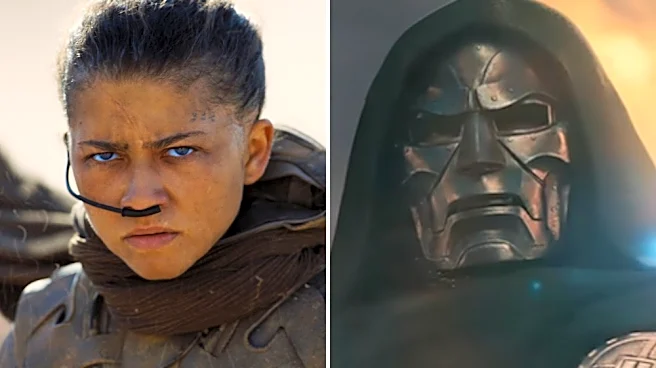
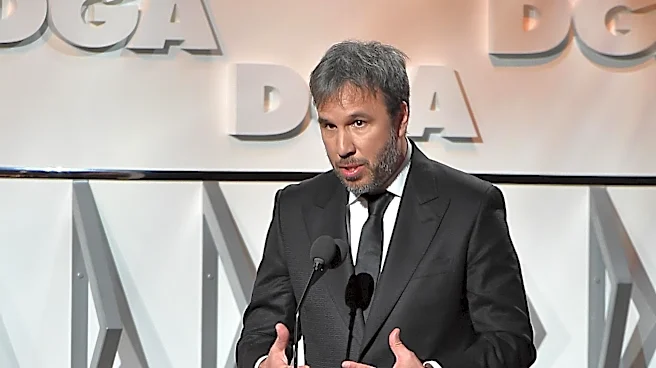
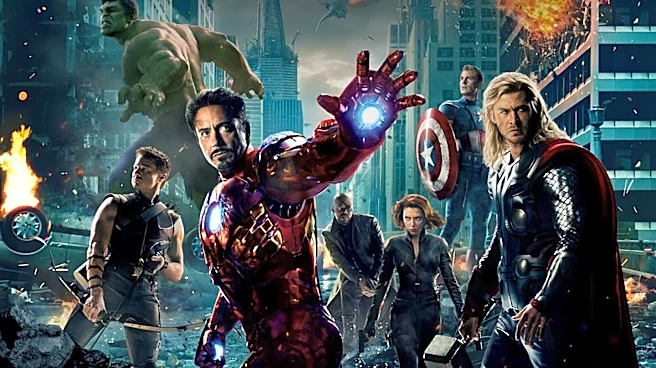
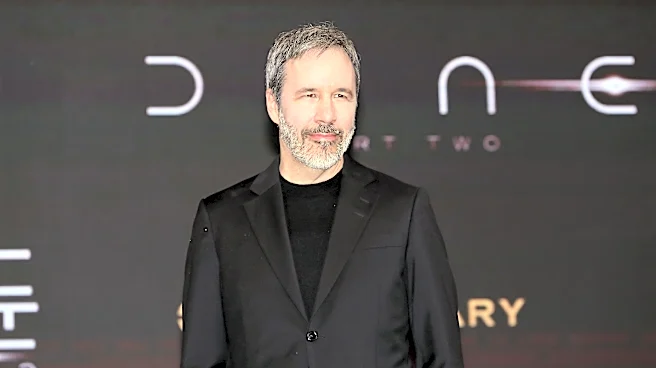
Filmmaker Denis Villeneuve has voiced his "deep disappointment" regarding the scheduled release date for his Warner Bros. film, 'Dune: Part Three'. The movie is set to premiere on December 18, directly competing with Marvel's 'Avengers: Doomsday'. Villeneuve acknowledged
that the release date was committed to, including for IMAX, making it impossible to change. He described 'Dune' as a "sexy little animal with a lot of firepower" in comparison to the "mammoth" 'Avengers' film, expressing hope for its survival at the box office. This scheduling conflict follows previous challenges for the 'Dune' franchise, including its first installment releasing during the pandemic and the second facing delays due to Hollywood strikes. Villeneuve noted that he had anticipated a normal release for 'Dune: Part Three' without such external pressures.
Why It's Important?
This scheduling conflict highlights the intense competition within the U.S. film industry, particularly between major studios like Warner Bros. and Disney (Marvel's parent company). A direct head-to-head release between two highly anticipated films, especially one from a major franchise like 'Avengers', can significantly impact box office performance for both. For 'Dune: Part Three', this means potentially splitting audience attention and revenue, which could affect its overall financial success and future installments. The situation also underscores the power dynamics in Hollywood, where established franchises often dictate release calendars. The outcome of this box office battle could influence future release strategies for studios, potentially leading to more careful coordination or, conversely, more aggressive competitive scheduling.
What's Next?
The upcoming December 18 release date will be a critical test for both 'Dune: Part Three' and 'Avengers: Doomsday'. The box office results from that weekend will indicate how audiences respond to two major films opening simultaneously. Industry analysts will closely monitor the performance of both movies to assess the impact of direct competition. The success or struggle of 'Dune: Part Three' in this scenario could influence Warner Bros.' future decisions regarding its tentpole releases and its strategy for competing with other major studios. It may also lead to discussions within the industry about the benefits and drawbacks of such high-stakes scheduling conflicts.
Beyond the Headlines
The "Dunesday" scheduling conflict reflects a broader trend in the entertainment industry where blockbuster films increasingly vie for prime release slots, often leading to crowded periods. This can create a challenging environment for films that, while critically acclaimed and popular, may not have the same massive, built-in audience as a Marvel Cinematic Universe entry. The situation also raises questions about audience capacity and willingness to see multiple major films in a short timeframe. From a creative standpoint, filmmakers like Villeneuve are forced to contend with commercial pressures that can overshadow artistic merit, even for highly anticipated projects. This dynamic can influence the types of films studios greenlight and how they are marketed, potentially favoring established franchises over original or less commercially proven concepts.