




What's Happening?
The safety razor, a grooming tool from an earlier era, is experiencing a significant return to popularity, particularly among enthusiasts of traditional wet shaving. Initially rising to prominence in the early 20th century with the commercialization of the double-edge
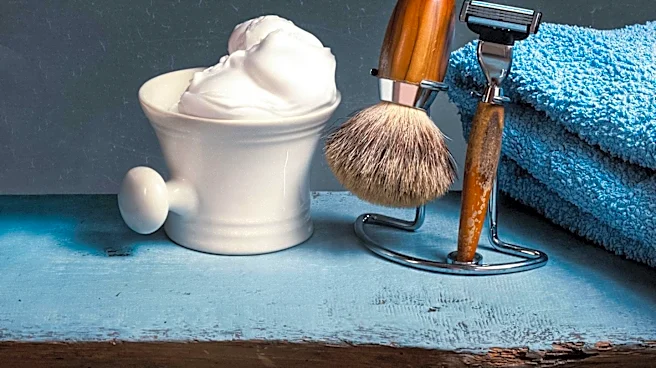
safety razor and replaceable blades, it offered a practical alternative to straight razors. Its mainstream appeal waned in the latter half of the 20th century with the advent of disposable and multi-blade cartridge systems, which prioritized convenience. However, a new generation of wet shavers is rediscovering the safety razor, appreciating the control, technique, and customizable experience it offers. Modern safety razors are available in diverse designs, materials, and aggression levels, allowing users to tailor their shaving routine with various blades, soaps, and brushes. This resurgence has transformed what was once an everyday item into the centerpiece of a dedicated shaving hobby.
Why It's Important?
The renewed interest in safety razors signifies a broader consumer trend towards artisanal products, sustainability, and personalized experiences in personal care. For consumers, safety razors offer a more hands-on and potentially more cost-effective shaving solution in the long run, as replaceable double-edge blades are often cheaper than cartridge refills. This shift impacts the grooming industry by creating a niche market for traditional wet shaving products, including specialized razors, brushes, and shaving soaps. It challenges the dominance of major disposable and cartridge razor manufacturers, prompting them to potentially innovate or diversify their offerings to cater to this segment. Furthermore, the emphasis on durability and reusable components aligns with growing environmental consciousness, appealing to consumers looking to reduce waste associated with disposable plastic razors. This trend highlights a desire for quality, craftsmanship, and a more mindful approach to daily routines.
What's Next?
The growing popularity of safety razors is likely to lead to further innovation and diversification within the traditional wet shaving market. Manufacturers may introduce new designs, materials, and accessories to cater to the expanding enthusiast base. We can expect to see more specialized retailers and online communities dedicated to wet shaving, offering a wider range of products and educational resources. Major grooming brands might also consider acquiring or developing their own lines of traditional shaving products to tap into this market segment. Additionally, the emphasis on sustainability and reduced waste associated with safety razors could influence other personal care industries to explore more durable and reusable product options. This trend suggests a continued move away from purely convenience-driven consumption towards products that offer a richer, more personalized, and environmentally conscious experience.
Beyond the Headlines
The return of the safety razor reflects a deeper cultural yearning for authenticity and a rejection of planned obsolescence. In an increasingly digital and fast-paced world, the ritual of traditional wet shaving offers a moment of mindfulness and connection to a craft. It speaks to a desire for products that are built to last and can be maintained, rather than simply discarded. This movement also fosters a sense of community among enthusiasts who share knowledge and passion for the art of shaving. Ethically, it promotes a more sustainable consumption model by reducing plastic waste from disposable razors. This trend challenges the notion that newer is always better, demonstrating that well-designed, time-tested tools can offer superior performance and satisfaction, ultimately influencing consumer expectations across various product categories to prioritize durability, craftsmanship, and environmental responsibility.