


What's Happening?
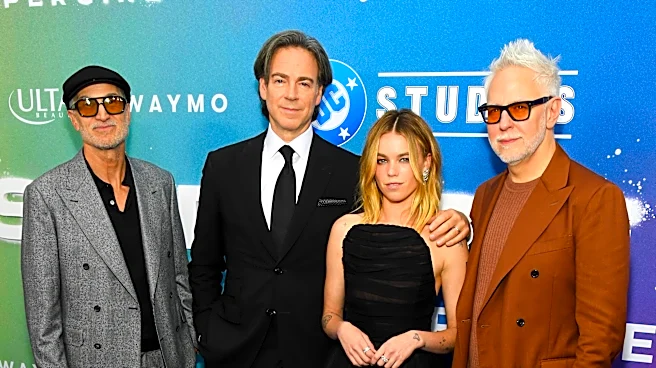
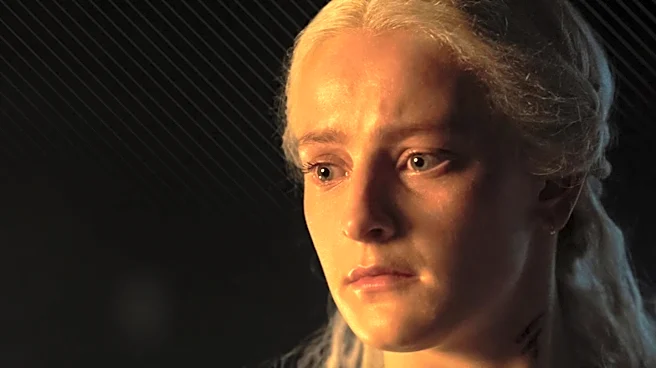
Milly Alcock's debut as Supergirl in the 2026 film has been met with significant negative reception, contributing to its status as one of the biggest box office bombs in superhero movie history. The film, a direct adaptation of the 'Supergirl: Woman of Tomorrow'
miniseries, has been criticized for its script, direction, and character portrayal. Despite initial hopes for a comic-accurate Supergirl following Sasha Calle's portrayal in 'The Flash,' Alcock's version, characterized as a 'drunken party girl,' failed to resonate with audiences. The movie's visual style, featuring drab color palettes and excessive lens flares, along with a perceived lack of emotional depth and an unlikable protagonist for much of the film, have been cited as major issues. The narrative also deviates from the source material in key aspects, including Supergirl's origin and the ending, which sees her kill the villain Krem, a departure from the comic's resolution.
Why It's Important?
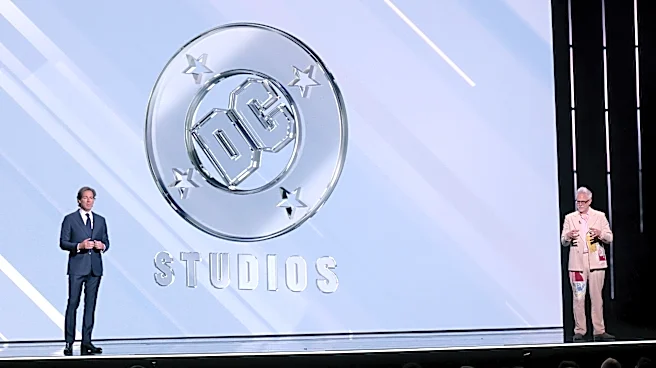
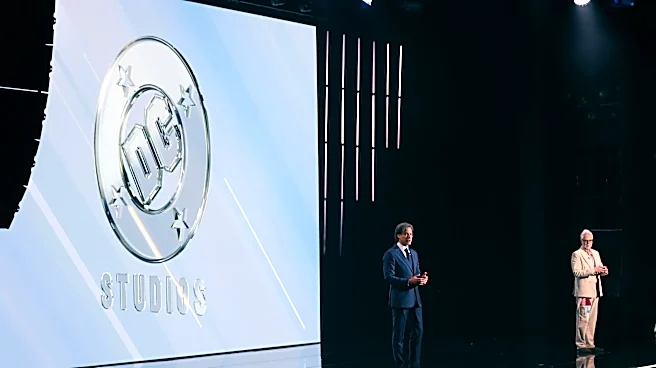
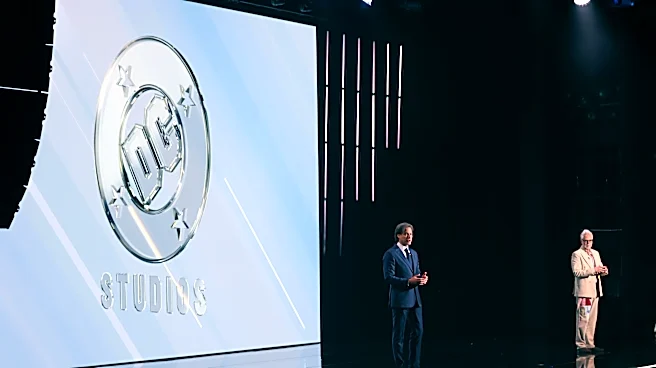
The commercial and critical failure of 'Supergirl (2026)' carries significant implications for the DC Universe (DCU) and its ongoing cinematic reboot. Following the success of 'Superman (2025),' this film's poor performance could undermine the momentum James Gunn and Peter Safran aimed to build for the new DCU slate. The decision to fast-track 'Supergirl: Woman of Tomorrow' while other announced projects showed no progress highlights potential strategic missteps in DC Studios' production pipeline. The backlash also raises questions about casting choices and creative direction, particularly regarding screenwriter Ana Nogueira's lack of prior film writing experience and director Craig Gillespie's approach to the material. This failure could lead to a re-evaluation of how DC Studios develops and markets its female-led superhero films, especially after previous attempts like 'Wonder Woman' had mixed results.
What's Next?
The future of Milly Alcock's Supergirl in the DCU appears uncertain following the film's poor reception, with Alcock reportedly removing Supergirl-related content from her Instagram. The film's failure may prompt DC Studios to reassess its immediate plans for the character and potentially delay or alter future appearances. The broader impact on the DCU's Chapter One: Gods and Monsters slate remains to be seen, but it could lead to increased scrutiny and potentially more conservative approaches to upcoming projects. The critical and commercial disappointment might also influence decisions regarding other planned films like 'The Authority' and 'The Brave and the Bold,' which have yet to show significant progress. The studio may need to address audience concerns about narrative consistency, character development, and overall film quality to regain trust and build a cohesive cinematic universe.
Beyond the Headlines
The failure of 'Supergirl (2026)' extends beyond box office numbers, touching upon broader industry trends and audience expectations for superhero narratives. The film's struggle to balance a jaded, cynical Supergirl with the traditional heroic archetype reflects ongoing debates about character interpretation and faithfulness to source material. The criticism regarding the film's visual style and narrative choices also highlights the challenges of adapting beloved comic book stories for the big screen while attempting to introduce new creative visions. Furthermore, the film's reception could contribute to a wider conversation about the sustainability of the superhero genre, particularly as audiences become more discerning and critical of perceived formulaic or poorly executed entries. The perceived missteps in 'Supergirl (2026)' may serve as a cautionary tale for studios aiming to expand their cinematic universes without a clear, consistent creative vision.