





What's Happening?
Saudi Aramco has announced an increase in crude oil shipments from Egypt's Mediterranean port of Sidi Kerir. This decision comes in response to heightened security threats in the Red Sea, particularly from Houthi forces who have threatened Saudi shipping
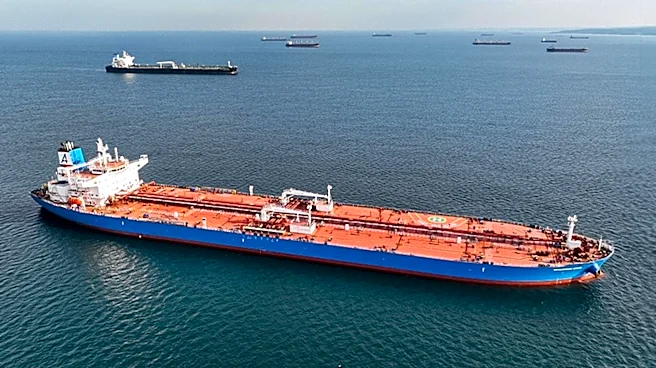
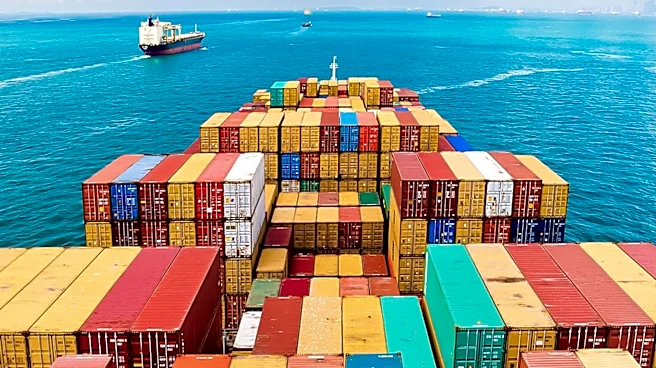
routes. The additional crude cargoes are being offered on a spot basis to supplement supplies to Aramco's term buyers. This move is seen as a strategic effort to maintain supply flexibility to Europe and North America, as the Bab el-Mandeb strait, a critical shipping lane, faces increased risks. The Houthis recently claimed responsibility for attacks on two Saudi oil tankers in the Red Sea, with one vessel reportedly catching fire. As a result, several oil tankers have altered their routes to avoid the Red Sea, opting instead for the Suez Canal.
Why It's Important?
The increase in crude shipments from the Mediterranean highlights the ongoing geopolitical tensions affecting global oil supply routes. The Red Sea is a vital corridor for oil transportation, and disruptions here can have significant implications for global oil markets. By rerouting shipments, Aramco aims to mitigate risks and ensure continued supply to its customers. This development underscores the vulnerability of global energy supplies to regional conflicts and the strategic importance of alternative shipping routes. The situation also reflects the broader impact of Middle Eastern conflicts on international trade and energy security, potentially affecting oil prices and market stability.
What's Next?
As tensions in the Red Sea persist, further adjustments in shipping routes and supply strategies by Aramco and other oil companies are likely. The international community may increase diplomatic efforts to stabilize the region and secure vital shipping lanes. Additionally, oil market stakeholders will closely monitor the situation for any further disruptions that could impact global oil prices. The ongoing conflict and its implications for energy security may also prompt discussions on diversifying energy sources and routes to reduce dependency on vulnerable regions.