







What's Happening?
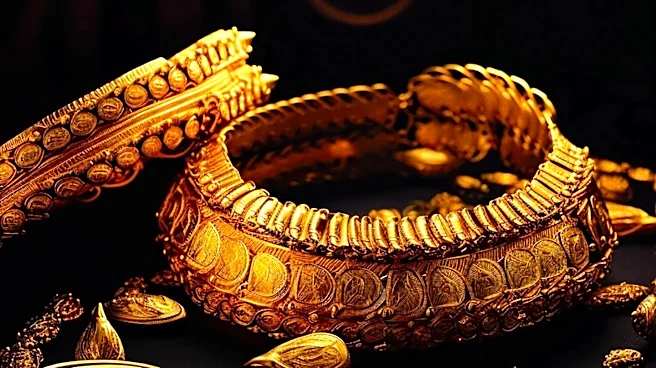
Raymond Lee Jewelers is advising individuals looking to sell gold jewelry to understand its potential value before accepting an offer. The company emphasizes that gold jewelry's value is influenced by multiple factors beyond just its metal content, including
purity, weight, condition, design, and market demand. Some pieces may also hold additional value due to their craftsmanship, brand, age, rarity, or embedded gemstones. Without prior knowledge of these factors, sellers risk accepting a low offer. Raymond Lee Jewelers offers professional evaluations to help customers understand the comprehensive value of their gold. Their experienced team assesses materials, craftsmanship, condition, and market appeal, providing clarity whether the item is an inherited estate piece or a luxury gold design. The company stresses that the market price of pure gold does not directly equate to the final selling price of jewelry, as buyers consider processing costs, resale demand, and the specific composition of the piece.
Why It's Important?
Understanding the true value of gold jewelry before selling is crucial for consumers to make informed financial decisions and avoid potential exploitation. The guidance from Raymond Lee Jewelers highlights the complexity of gold valuation, which extends beyond simple metal weight and current market prices. This knowledge empowers sellers to compare offers effectively and ensures they receive a fair price for their assets. The emphasis on factors like design, brand, and rarity underscores that many gold items possess intrinsic value beyond their melt value, which can be overlooked by less scrupulous buyers. For the U.S. market, this advice is particularly relevant given the fluctuating gold prices and the prevalence of both reputable and less transparent gold buyers. By encouraging professional evaluations, Raymond Lee Jewelers helps protect consumers from undervaluation and promotes transparency in the gold selling process, fostering greater trust and confidence in transactions involving precious metals.
What's Next?
Raymond Lee Jewelers encourages potential sellers to visit their establishment for a professional evaluation to gain a clear understanding of their gold's worth. This initial step allows individuals to determine if their jewelry has additional value beyond its raw metal content, such as in the case of designer pieces, antiques, or items with valuable gemstones. The company advises against making assumptions about value and recommends gathering any available documentation, such as receipts, certificates, or previous appraisals, to support the evaluation process. Sellers are also encouraged to compare offers from multiple reputable buyers and to inquire about the methodology used to calculate the offer, including any deductions or processing costs. This proactive approach ensures transparency and helps sellers make a confident decision about whether to sell, keep, or seek further opinions on their gold jewelry. The ongoing education of consumers on gold valuation will likely continue to be a focus for reputable jewelers.
Beyond the Headlines
The practice of understanding gold jewelry's value before selling touches upon broader economic and ethical considerations within the precious metals market. The fluctuating nature of gold prices, influenced by global economic conditions and investor activity, means that the value of an item can change significantly over time. This dynamic environment necessitates informed decision-making from sellers. Ethically, the advice from Raymond Lee Jewelers promotes fair trade practices by advocating for transparency and comprehensive valuation, counteracting potential information asymmetry between buyers and sellers. Culturally, gold jewelry often carries sentimental or historical significance, and understanding its full value ensures that these non-monetary aspects are also respected in the transaction process. The distinction between melt value and collectible value highlights the intersection of material worth and artistic or historical appreciation, underscoring that some items are more than just their constituent elements. This nuanced approach to valuation contributes to a more sophisticated and equitable market for precious metals.