



What's Happening?
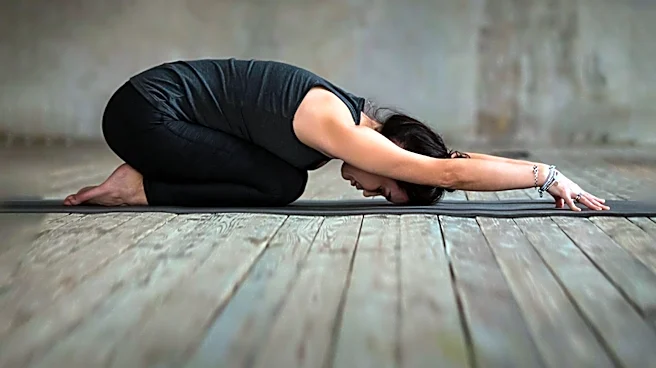
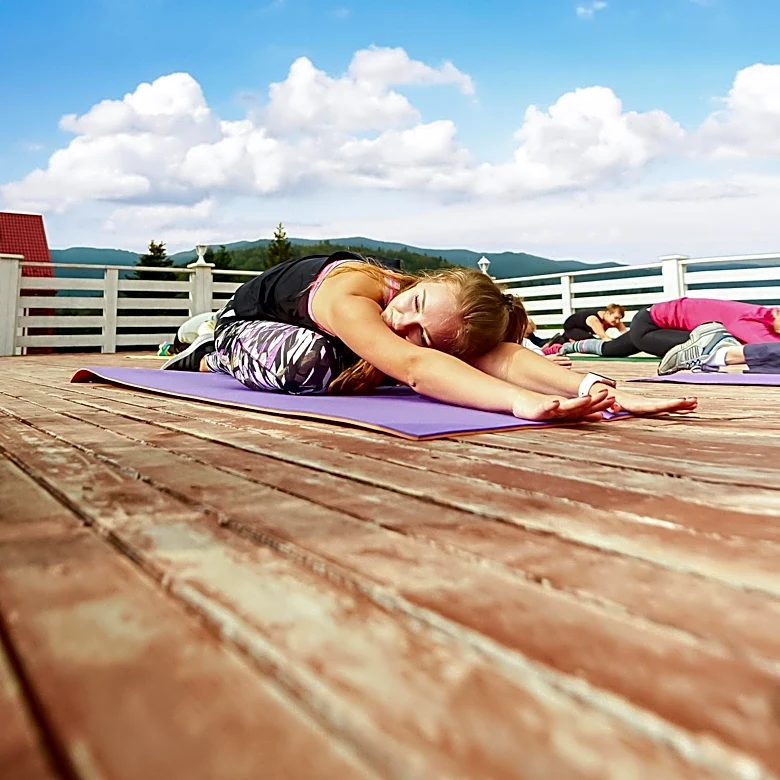
The Child's Pose, a gentle forward fold in yoga, is being highlighted for its significant benefits in resetting the body and nervous system. This pose involves sinking hips back towards heels, extending hands forward, and resting the forehead on the floor.
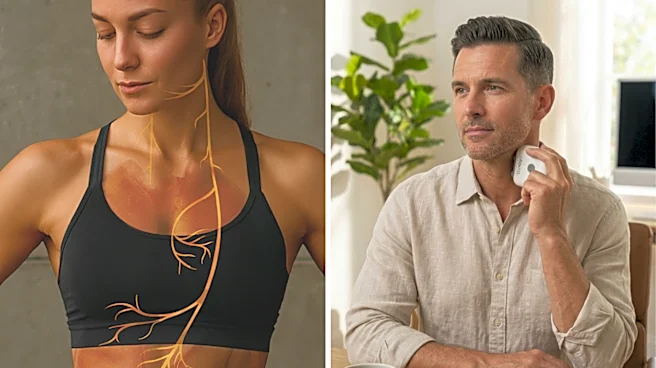
It is described as a 'reset button' for the entire body, capable of shifting the nervous system from a 'fight-or-flight' state to a parasympathetic 'rest-and-digest' mode. The physical shape of curling inward and making oneself small is instinctively understood by the body as safety, prompting relaxation. Resting the forehead on the ground in this pose applies gentle pressure to an area rich in vagal nerve influence, which helps in transitioning from alertness to calm. Many individuals report their breath slowing and deepening within seconds of adopting the pose, indicating its immediate calming effect. Beyond mental relaxation, Child's Pose also offers physical relief by decompressing the lower back and lengthening the psoas muscle, a deep hip flexor that often tightens due to stress or prolonged sitting. Incorporating this pose for just 1-3 minutes daily is suggested to be sufficient to initiate these beneficial shifts.
Why It's Important?
The increasing recognition of Child's Pose as a simple yet powerful wellness tool is important for promoting accessible mental and physical health practices in the U.S. In a society often characterized by high stress levels and sedentary lifestyles, a practice that can quickly mitigate the 'fight-or-flight' response and alleviate common physical discomforts like lower back pain offers a valuable solution. The emphasis on short, manageable durations (1-3 minutes) makes it highly adaptable for individuals with busy schedules, encouraging consistent engagement with wellness routines. This approach democratizes wellness, moving away from the perception that self-care requires extensive time or resources. By providing a method to calm the nervous system and release physical tension, Child's Pose can contribute to improved overall well-being, potentially reducing the prevalence of stress-related health issues and enhancing daily productivity and quality of life for many Americans. Its simplicity means it can be adopted by a wide demographic, regardless of prior yoga experience or physical fitness levels.
What's Next?
As awareness of the benefits of Child's Pose grows, it is likely to be increasingly integrated into various wellness programs, corporate stress management initiatives, and educational settings across the U.S. Health and wellness professionals may recommend it more frequently as a quick and effective technique for managing daily stress and improving physical comfort. Yoga instructors might further emphasize its foundational role in practice, encouraging students to utilize it for self-regulation. There could also be a rise in digital content, such as apps and online tutorials, dedicated to guiding individuals through short, accessible wellness practices like Child's Pose. Furthermore, the simplicity and effectiveness of the pose may inspire more research into the physiological mechanisms behind its calming effects, potentially leading to a deeper scientific understanding of how specific body postures influence the nervous system and overall health. This could solidify its place as a widely accepted and recommended practice for mental and physical well-being.
Beyond the Headlines
The widespread adoption of Child's Pose reflects a broader cultural shift towards integrating micro-wellness practices into daily life, moving beyond the idea that self-care must be an elaborate or time-consuming endeavor. This trend highlights a growing understanding that consistent, small actions can have a profound cumulative impact on health. Ethically, promoting such accessible practices can help address health disparities by offering low-cost, equipment-free methods for stress reduction and physical relief. It also underscores the body's innate capacity for self-regulation and healing, encouraging individuals to tune into their physical and emotional states. This emphasis on intuitive, body-led wellness could foster a more holistic approach to health, where individuals are empowered to use simple techniques to manage their well-being proactively, rather than solely relying on external interventions. The practice also subtly encourages mindfulness, as the focus on breath and body sensation inherent in the pose cultivates a greater awareness of the present moment.