





What's Happening?
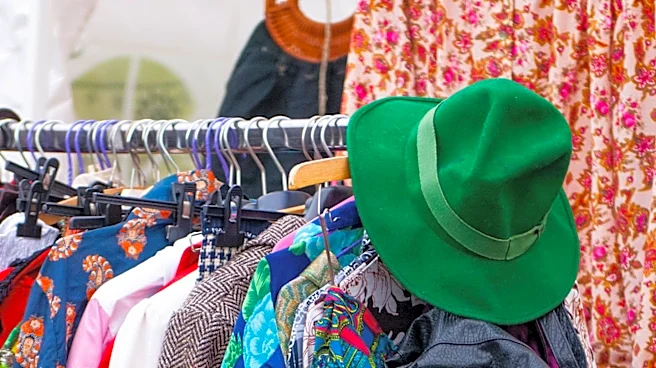
The secondhand fashion market has seen a significant rise in popularity and costs, driven by increased online activity during the pandemic and the influence of social media. Platforms like Depop and ThredUp have made buying and selling secondhand clothing
more accessible, contributing to a 28% global surge in thrifting between 2021 and 2022. Goodwill, North America's largest thrift chain, reported a record $7 billion in revenue last year, with plans to expand further. However, the increased demand has led to higher prices, affecting low-income shoppers who rely on thrift stores. Critics argue that the market's professionalization and the influence of resellers have contributed to these price hikes.
Why It's Important?
The transformation of the secondhand fashion market highlights broader economic and social trends, including the growing emphasis on sustainability and the impact of digital platforms on traditional retail. While the boom in secondhand clothing offers environmental benefits by reducing waste, it also raises concerns about accessibility for low-income consumers. The rising costs and competitive nature of the market may limit the availability of affordable clothing options for those who need them most. Additionally, the shift towards online platforms reflects changing consumer behaviors and the increasing role of technology in retail.