






What's Happening?
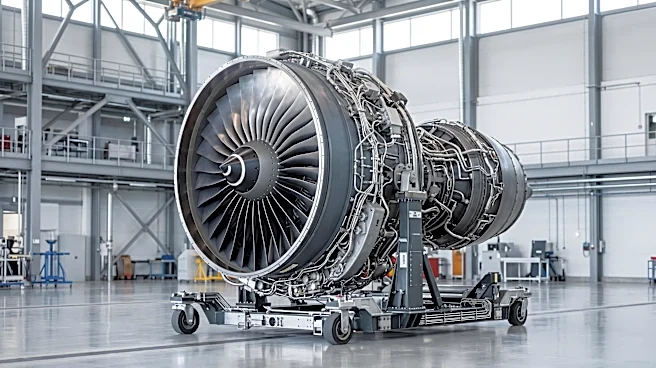
TransDigm Group, a designer and manufacturer of highly engineered aerospace components, is encountering competitive pressure from larger, diversified defense contractors such as Raytheon, Meggitt, and Parker Hannifin. These competitors produce overlapping
components, intensifying the market's competitive dynamics. Additionally, specialized competitors focusing on single product lines and Original Equipment Manufacturers (OEMs) that sometimes backward-integrate into component supply or support alternative suppliers also contribute to the competitive landscape. TransDigm's business model centers on acquiring specialized component makers and optimizing their operations, often leveraging sole-source or duopoly positions in the aftermarket. While military aviation provides a smaller but stable revenue base, it faces less cyclicality compared to commercial aerospace, though defense budgets have their own constraints and shifting priorities. The company's financial structure relies heavily on debt to finance acquisitions, which creates sensitivity to operational downturns and refinancing risks.
Why It's Important?
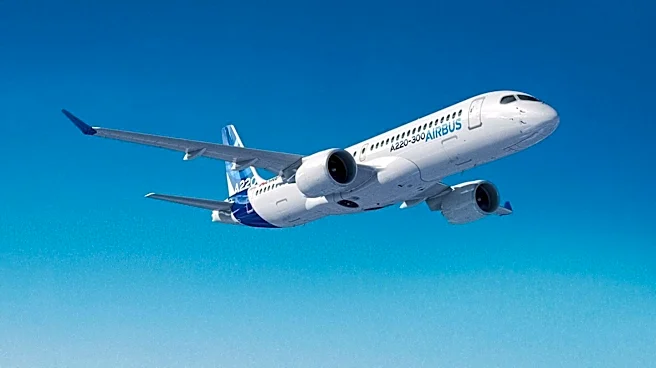
This competitive pressure is significant for the U.S. aerospace and defense industry, as TransDigm Group plays a crucial role in supplying thousands of custom parts and subsystems for both commercial and military aircraft. The presence of larger, diversified defense contractors and OEMs as competitors could impact TransDigm's market share and pricing power, especially in areas where components overlap. For U.S. military and commercial aviation, a more competitive environment could lead to increased innovation and potentially more favorable pricing for critical components, benefiting end-users like Boeing and Airbus. However, it also poses a risk to TransDigm's unique business model, which thrives on acquiring niche suppliers and optimizing their operations. The company's reliance on debt financing means that any significant shift in market dynamics or interest rates could affect its ability to continue its acquisition strategy and maintain its profitability, potentially impacting the broader supply chain for aerospace components.
What's Next?
Investors tracking TransDigm Group will closely monitor several key indicators, including commercial aircraft production rates, which serve as a leading indicator for Original Equipment (OE) revenue. Fleet utilization and travel demand will also be critical, as they drive the aftermarket parts and service segments. Military procurement budgets and platform lifecycles will continue to influence the military segment's stability. Furthermore, the company's debt levels and refinancing activity will be under scrutiny, given its strategy of financing acquisitions heavily with debt. Acquisition announcements and the success of their integration will also be important for assessing future growth. Quarterly earnings calls are expected to focus on organic growth, the contribution from acquisitions, and free cash flow generation. The company's 10-K disclosures will provide further details on segment performance, customer concentration, competitive dynamics, and leverage metrics, offering insights into its strategic direction and financial health.
Beyond the Headlines
The competitive dynamics surrounding TransDigm Group highlight a deeper tension within the aerospace supply chain: the balance between specialized, high-margin component suppliers and larger, integrated defense contractors. TransDigm's aggressive, cost-focused culture and pursuit of pricing power on sole-source products have generated substantial returns but have also drawn scrutiny regarding ethical and customer relationship grounds, particularly concerning pricing on critical military or safety-critical components. This debate over value extraction versus value creation is unlikely to be resolved soon, as customers often have limited alternatives due to high qualification barriers. The long-term sustainability of TransDigm's model will depend on whether the industry continues to tolerate its pricing levels and whether OEMs or military buyers will increasingly backward-integrate or sponsor alternative suppliers to reduce dependency. Technological disruptions, such as the shift to electric or hydrogen propulsion in commercial aircraft, could also render some product lines obsolete in the distant future, adding another layer of complexity to the company's strategic outlook.