





What's Happening?
HA Sustainable Infrastructure Capital has successfully issued a $500 million fixed-to-floating rate green bond, maturing on June 1, 2057. This bond is structured as secured, subordinated, callable notes with attached guarantees and a variable coupon.
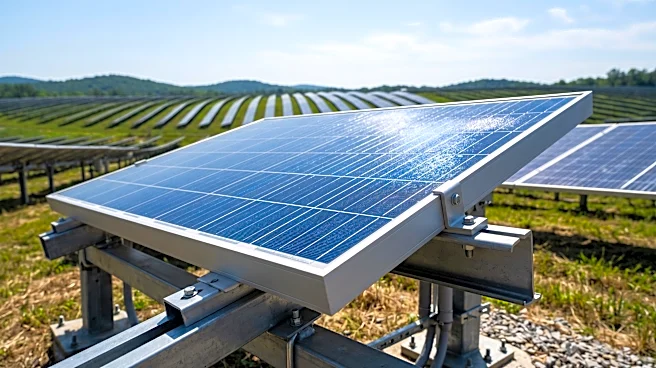
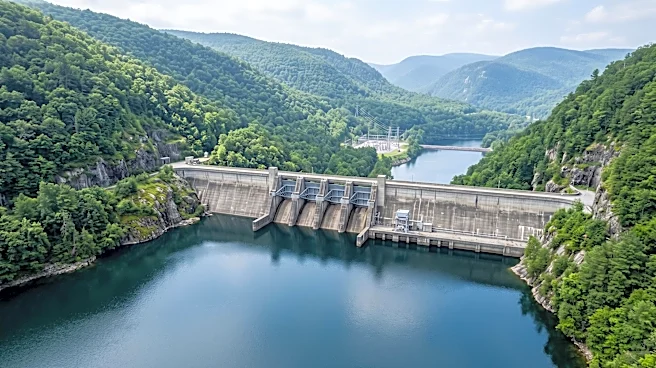
The primary purpose of this issuance is to secure additional financing capacity for the company's energy efficiency and clean power projects. The company, which relies on external borrowing to fund its initiatives, views this green bond as a means to extend funding, support new assets, and potentially alleviate near-term pressure on deal pacing. The notes are junior, secured, and subordinated, positioning them lower in the capital stack, which helps maintain senior capacity while emphasizing the importance of balance sheet discipline. This move aligns with the broader trend of green bonds being utilized by governments, cities, banks, and companies to raise capital for climate and environmental projects, including renewable energy and clean transport.
Why It's Important?
This $500 million green bond issuance by HA Sustainable Infrastructure Capital is significant for the U.S. clean energy sector. It demonstrates a continued appetite for sustainable finance instruments, providing a crucial funding mechanism for projects aimed at energy efficiency and clean power. For HA Sustainable Infrastructure Capital, this bond extends its financial runway, enabling it to pursue more projects and manage its balance sheet risks more effectively. The structure of the bond, being junior and subordinated, allows the company to preserve its senior borrowing capacity, which is vital for a capital-intensive finance platform. The success of such issuances can encourage other U.S. companies in the sustainable infrastructure space to explore similar financing avenues, thereby accelerating the transition to a greener economy. However, the importance of strong execution and cash generation remains paramount, especially given the company's reported lower profit margins and weak debt coverage by operating cash flow, highlighting the need for robust financial management alongside green initiatives.
What's Next?
In the immediate future, HA Sustainable Infrastructure Capital will focus on the execution of its projects and cash generation to demonstrate the effectiveness of this new funding. The company will need to ensure that the proceeds from the green bond are allocated efficiently to eligible green projects and that transparent reporting on the use of funds and environmental impact is maintained. This will be crucial for strengthening market discipline and investor confidence. While the new bond adds duration to funding, helping manage refinancing timing, the company will still need to address questions surrounding dividend coverage and maintain credit metrics as its project portfolio expands. The broader U.S. green bond market may see increased activity, with Nuveen noting "multiple inquiries" about potential U.S. corporate sustainable bond issuances following recent elections, suggesting a growing trend for companies to leverage green finance for environmental initiatives.
Beyond the Headlines
The issuance of this green bond by HA Sustainable Infrastructure Capital underscores a deeper shift in corporate finance towards integrating environmental objectives with investment strategies. Beyond the immediate financial implications, this trend highlights the increasing recognition of climate and environmental projects as viable and attractive investment opportunities. The emphasis on transparent frameworks, reporting on the use of proceeds, and measuring environmental impact, as described in the context of green bonds, contributes to building an "infrastructure of trust" in climate finance. This not only attracts investors seeking sustainable opportunities but also promotes greater accountability and discipline within the green finance ecosystem. The challenge for companies like HA Sustainable Infrastructure Capital will be to balance the bullish narrative around green yield and growth with the practical realities of financial performance and risk management, ensuring that the environmental benefits are genuinely realized and reported.