



What's Happening?
Global apparel buyers, including Zara owner Inditex, H&M, Marks & Spencer, and Celio, have diverted approximately $254 million in garment orders from Bangladesh during the first 18 days of November. This shift, which represents nearly a tenth of Bangladesh's
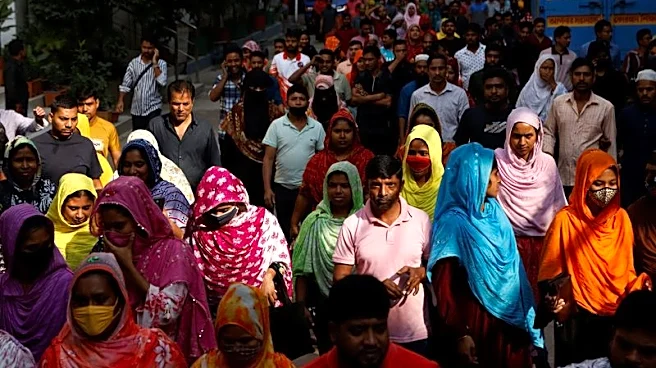
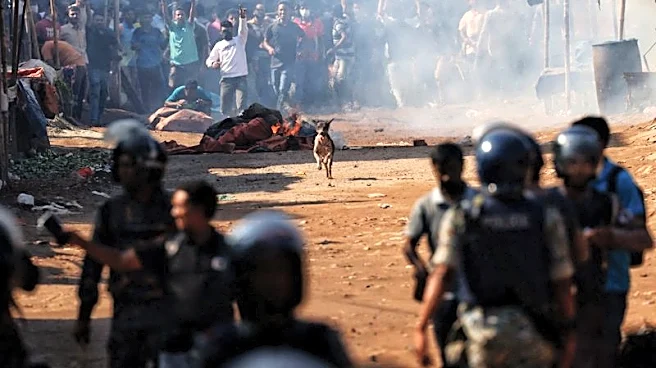
monthly order book, has primarily benefited India, with Vietnam, Cambodia, and Indonesia also receiving some of the redirected business. The decision to move orders stems from ongoing labor unrest and increasing operational costs in Bangladesh. The Bangladesh Garment Manufacturers and Exporters Association (BGMEA) estimates production losses from the protests to exceed $400 million. Bangladesh recently approved a 36% increase in the garment minimum wage, which is the smallest increase in four decades and fell short of workers' demands, leading to further clashes. Manufacturers also cite energy shortages, rising raw-material prices, and political uncertainty as contributing factors to the increased burden.
Why It's Important?
This diversion of orders significantly impacts Bangladesh's economy, where garments account for over 80% of export earnings and nearly 40% of manufacturing jobs. The move highlights the vulnerability of supply chains to socio-political instability and rising operational costs in key manufacturing hubs. For retailers like Inditex, the decision reflects a strategic effort to mitigate risks and ensure supply chain stability, potentially leading to higher sourcing costs or adjustments in production timelines. Conversely, countries like India stand to gain substantial business, as evidenced by the rally in Indian textile shares following the disclosures. This situation could prompt a broader re-evaluation of sourcing strategies by major apparel brands, potentially leading to a more diversified global manufacturing footprint to reduce reliance on single-country production centers. The incident also underscores the ongoing tension between labor demands for better wages and manufacturers' need to maintain competitive pricing in a global market.
What's Next?
The immediate future for Bangladesh's garment industry remains uncertain, with manufacturers facing margin pressure from increased wages, potential overtime costs, air freight expenses, and costlier power. While the BGMEA hopes that temporarily moving orders will help retain international clients, the long-term impact on Bangladesh's position as a low-cost sourcing hub is a concern. Indian exporters with spare capacity and shorter lead times are likely to continue absorbing diverted orders, especially for categories with fixed floor-set dates. Retailers will likely monitor the situation in Bangladesh closely, assessing the stability of the labor environment and the effectiveness of the new wage structure. Further unrest or continued cost pressures could lead to more permanent shifts in sourcing patterns, prompting brands to solidify alternative manufacturing relationships in other Southeast Asian countries or India. The Bangladeshi government and industry associations will need to address the underlying causes of unrest and cost inefficiencies to regain buyer confidence.
Beyond the Headlines
The situation in Bangladesh reveals deeper implications regarding ethical sourcing and the global competition for manufacturing dominance. While brands often seek the lowest production costs, persistent labor disputes and operational challenges can force a re-evaluation of these priorities, potentially leading to a greater emphasis on supply chain resilience and stability. This shift could encourage brands to invest in more diversified sourcing portfolios, reducing over-reliance on any single region. Furthermore, the incident highlights the complex interplay between economic pressures, labor rights, and political stability in developing nations that serve as global manufacturing centers. It also raises questions about the responsibility of international retailers in ensuring fair labor practices and stable working conditions across their supply chains, even as they navigate competitive market demands. The long-term trend might see a move towards more automated or technologically advanced manufacturing in some regions to mitigate labor-related disruptions, or a greater focus on near-shoring for faster response times, altering the global manufacturing landscape.