




What's Happening?
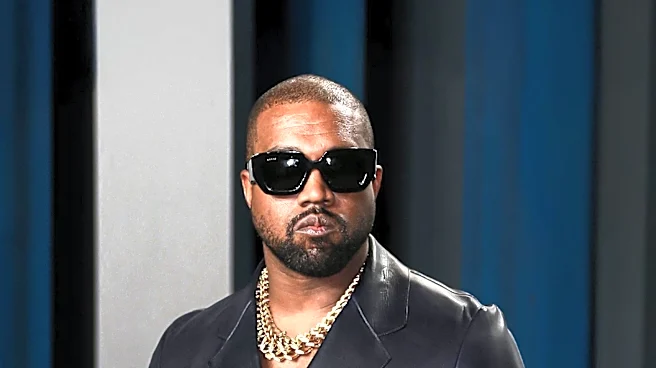
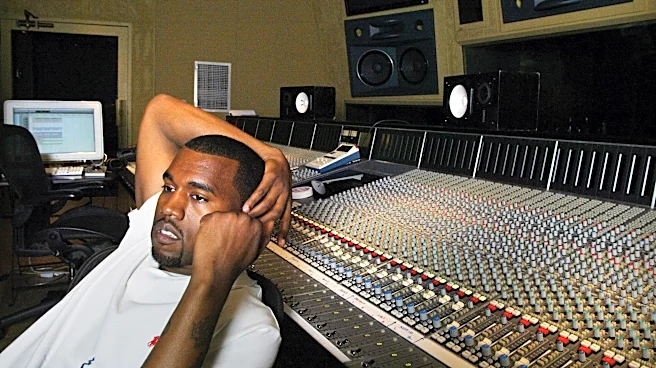
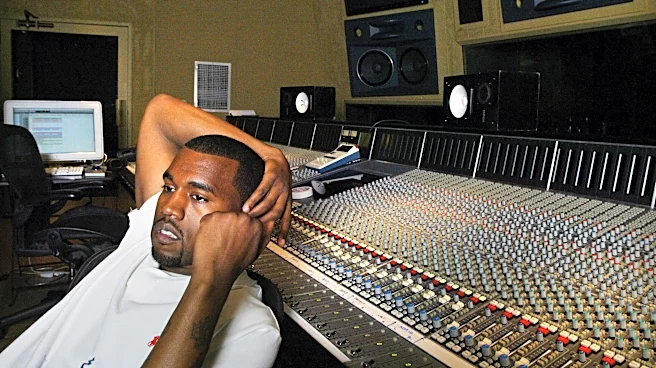
Kanye West, also known as Ye, has received his 77th Grammy nomination for his album 'Bully,' marking a significant return to the music industry after a period of controversy. This nomination follows a series of provocative actions and statements made
by West between 2022 and 2024, which led to the termination of lucrative partnerships with brands like Adidas, Gap, Foot Locker, and Balenciaga. His talent agency also dropped him, and a documentary was canceled. West's behavior during this time included wearing a 'White Lives Matter' t-shirt and making antisemitic statements. In January of this year, West issued a full-page apology in the Wall Street Journal, attributing his behavior to bipolar disorder. He has since released new music and a new Yeezy collection, suggesting a shift in his public persona and professional focus. The Grammy nomination indicates a potential rehabilitation of his image within the entertainment industry.
Why It's Important?
This development is important as it highlights the entertainment industry's complex relationship with public figures who have faced significant backlash. West's return to prominence, evidenced by a Grammy nomination, suggests that public opinion and industry acceptance can be fluid, even after severe controversies. It raises questions about the long-term impact of 'cancel culture' and the potential for redemption or re-acceptance for artists. For the music industry, it signifies that artistic merit, or perceived artistic merit, can sometimes outweigh past transgressions in the eyes of awarding bodies. This could influence how other artists navigate public controversies and how the industry responds to them. Furthermore, it reflects a broader cultural shift, where the 'edgy online Right-winger' persona, which West was associated with, is becoming less influential, allowing for a re-evaluation of his artistic contributions separate from his political or social statements.
What's Next?
The Grammy nomination for 'Bully' will likely lead to increased scrutiny and discussion surrounding Kanye West's music and public image. The outcome of the Grammy Awards will be a key indicator of his current standing within the music industry. His continued musical output and any future collaborations or brand partnerships will also be closely watched to gauge the extent of his professional rehabilitation. It remains to be seen how the public and various stakeholders will react to his sustained presence in the spotlight, particularly given his history of controversial statements. The entertainment industry will continue to grapple with the balance between artistic freedom, public accountability, and commercial viability in the context of high-profile figures like West.
Beyond the Headlines
Kanye West's journey from widespread condemnation to a Grammy nomination touches upon deeper societal questions regarding forgiveness, accountability, and the nature of celebrity in the digital age. The rapid shifts in public perception and industry acceptance suggest that the impact of 'cancel culture' might be more transient for some figures, especially those with significant cultural influence. This situation also underscores the idea that 'bad publicity' can sometimes inadvertently generate interest, as some have suggested that the outrage surrounding West's recent tour may have boosted ticket sales. Ethically, it prompts a discussion about the criteria for re-entry into public favor and whether apologies, particularly those linked to mental health, are sufficient for absolution. Culturally, it reflects the ongoing evolution of what is considered acceptable or 'cool' in the public sphere, with a noted decline in the appeal of the 'edgy online Right-winger' persona.