






What's Happening?
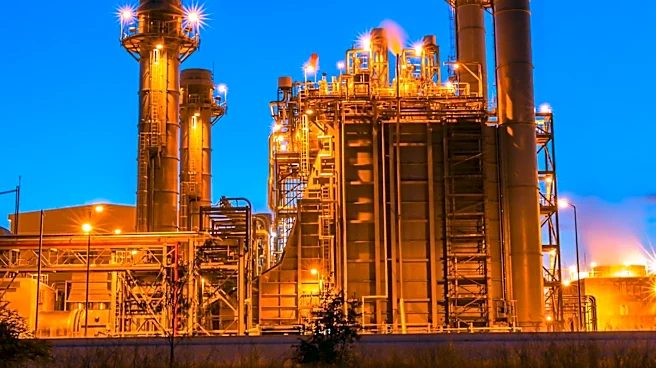
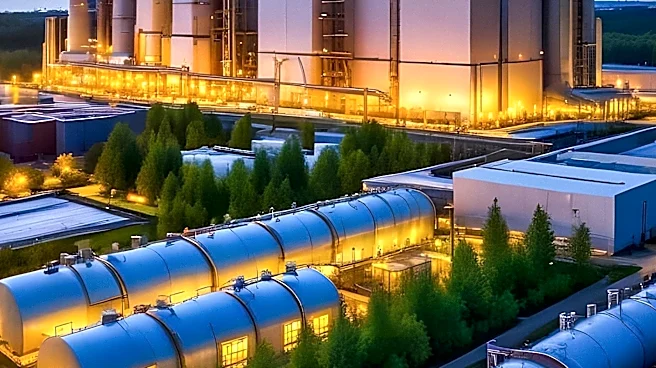
Nevada regulators have approved Switch's plan to construct a 510-megawatt natural gas power plant in Northern Nevada, located on the former Sierra Biofuels Refinery in the Tahoe-Reno Industrial Center. This approximately 20-acre facility will primarily
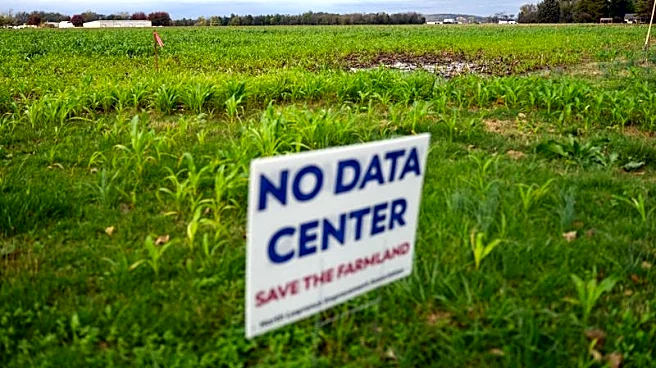
power Switch's data centers, with the company also serving as the plant's ultimate owner. The Public Utilities Commission granted approval despite significant public opposition during a regular agenda meeting. The project, initially filed by Nexus Fulcrum LLC, revealed Switch as the intended off-taker and owner in October. Construction is slated to begin in the first quarter of 2027 and conclude in 2029, utilizing nine gas turbines. The plant is projected to consume 10,000 to 20,000 gallons of water per day during construction and 145 acre-feet (47 million gallons) annually during operation.
Why It's Important?
This approval highlights a growing trend in Nevada where data centers are opting for 'behind-the-meter' power generation to bypass long queues for grid connection. As Nevada's energy grid struggles to keep pace with the data center boom, this strategy allows developers to quickly establish power sources. While gas turbines offer the fastest solution for immediate power needs, they are also considered the 'dirtiest' option by energy researchers like Jonathan Koomey. This decision underscores the tension between rapid industrial growth, particularly in the tech sector, and environmental concerns. It also indicates a significant shift in Nevada's energy landscape, with data centers projected to account for 64% of electricity sales by 2046, up from 5% today, potentially requiring over 20 gigawatts of systemwide generating capacity by 2050.
What's Next?
Construction of the natural gas plant is scheduled to commence in the first quarter of 2027, with an expected completion in 2029. This project's progression will likely be closely monitored by environmental groups and energy policy advocates. The increasing reliance on behind-the-meter solutions by data centers in Nevada suggests that NV Energy will need to significantly upgrade its infrastructure to meet future demand, or more developers will pursue similar self-generation projects. The debate over the environmental impact of such facilities, particularly their water consumption and carbon emissions, is expected to continue. This approval could also set a precedent for other states experiencing rapid data center expansion, influencing their regulatory approaches to energy supply for large-scale tech operations.
Beyond the Headlines
The approval of Switch's natural gas plant reveals a deeper challenge in balancing technological advancement with environmental sustainability. The 'behind-the-meter' approach, while practical for data centers seeking immediate power, bypasses traditional grid planning and potentially undermines efforts to transition to cleaner energy sources. This raises ethical questions about the environmental footprint of the digital economy and the responsibility of tech giants in contributing to sustainable energy solutions. The significant water usage of such plants in an arid state like Nevada also highlights critical resource management issues. This development could spur broader discussions on how states can incentivize renewable energy solutions for large industrial consumers and whether current regulatory frameworks are adequate to address the environmental impact of rapid technological growth.